Location
Mount Vernon, WA 98274
Location
Mount Vernon, WA 98274

A space for quiet awe and curious exploration. Here, we reflect on the living world—its patterns, resilience, and beauty. From forests to fungi, seasons to starlight, nature invites us to notice, remember, and belong.
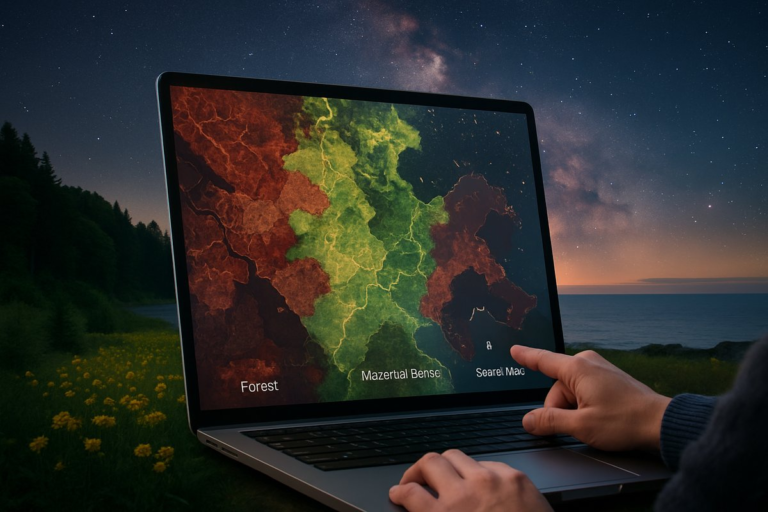
An international consortium has launched the Living Atlas, an interactive map weaving together soil networks, seasonal blooms, and starlit skies. By blending remote sensing, citizen science, and AI, this tool reveals hidden patterns in forests, meadows, coasts, and night skies-inviting all of us to notice, remember, and belong in the living world.

A wave of recent studies unveils how temperate forests are quietly regenerating-from canopy greening detected by satellites to subterranean fungal networks weaving a lifeline for trees. This exploration invites us to look beyond trunks and leaves, and sense the hidden connections sustaining the world's woodlands.

A recent ecological study highlights how large-scale wetland restoration projects are reviving biodiversity, improving water quality, and offering communities a frontline defense against climate extremes. As researchers and local volunteers join forces, the narrative of a drowned landscape reborn underscores the power of science and citizen action in shaping a more resilient future.

An emerging global initiative is inviting volunteers to probe the secret life of soil fungi with low-cost sampling kits and smartphone apps. By mapping mycorrhizal networks across continents, community scientists are revealing the hidden highways that underpin ecosystem health and climate resilience.
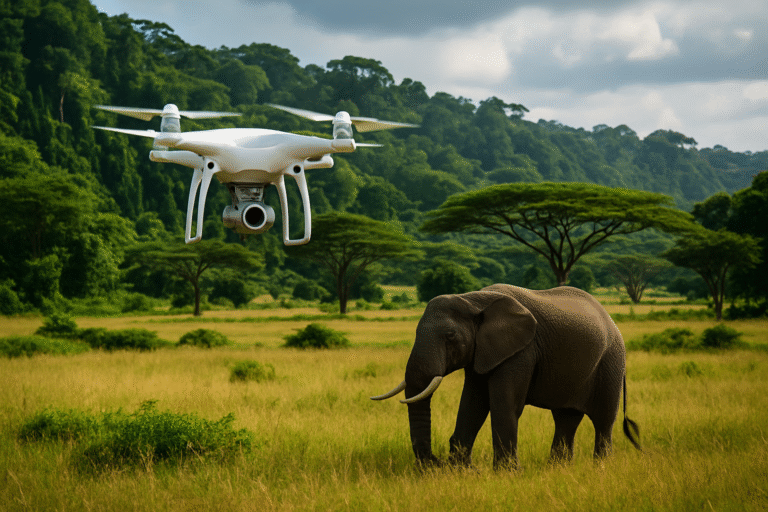
From dense tropical canopies to sprawling savannas, drones equipped with advanced sensors and AI algorithms are transforming the way researchers monitor wildlife and manage fragile ecosystems. By reducing human disturbance, speeding up data collection, and empowering local communities, these aerial platforms are emerging as a powerful tool in the global effort to protect biodiversity.
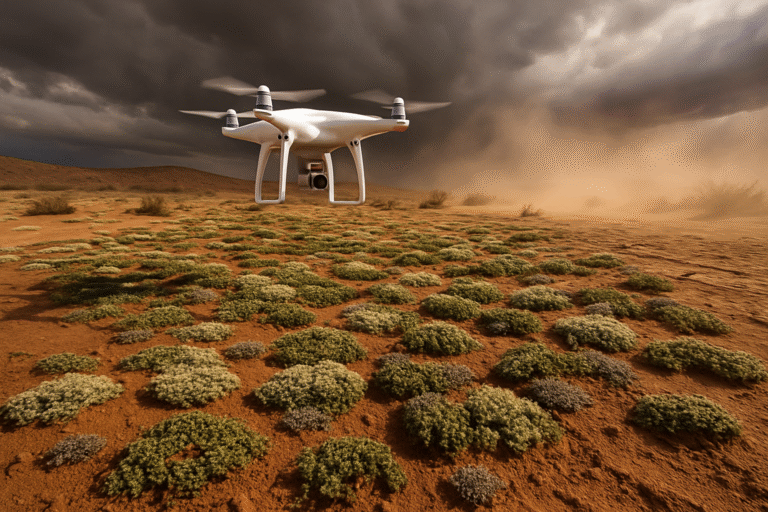
On parched landscapes where wind scours bare soil and rain vanishes in dust storms, microscopic communities of lichens, mosses and cyanobacteria form living crusts that anchor life's next wave. A new blend of drone mapping, lab-grown inoculants and indigenous stewardship is reviving these biocrusts, transforming deserts into resilient ecosystems and opening fresh avenues for carbon capture.

Urban rewilding is transforming concrete jungles into living ecosystems, blending cutting-edge environmental science with community creativity. From rooftop meadows to pocket wetlands, these miniature habitats are proving vital for biodiversity, climate resilience, and human well-being.
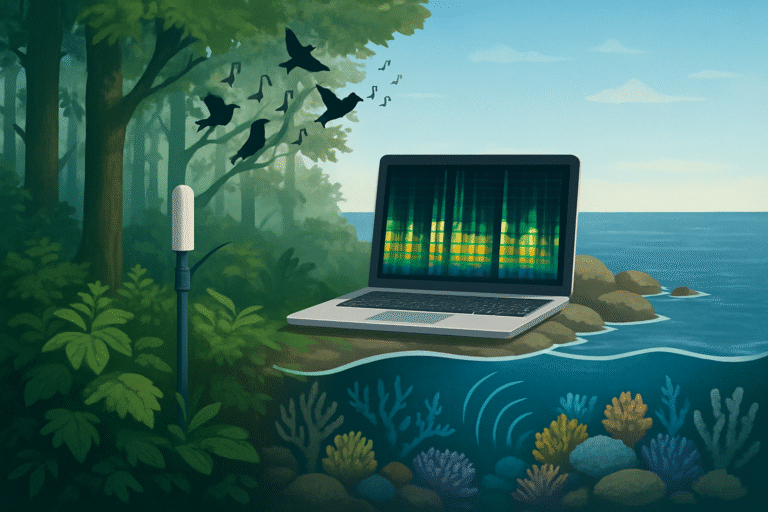
From the rustle of a dawn chorus in dense forest to the low-frequency hum of a coastal reef, ambient sounds carry a wealth of ecological data. Advances in ecoacoustic science and AI-driven analysis are turning these natural symphonies into powerful tools for conservation, revealing hidden patterns of biodiversity and guiding smarter stewardship of fragile habitats.

Stretching between land and sea, saltmarshes form a silent buffer that protects coastal communities, captures carbon, and nurtures biodiversity. From community-driven planting to drone mosaics of newly restored flats, these tidal wetlands are emerging as climate champions.

Amid mounting climate challenges, scientists are turning underground, examining how fungal networks known as mycelial highways could boost ecosystem resilience and carbon sequestration. Emerging imaging technologies and field trials are shedding light on these hidden architects, offering a fresh avenue for climate adaptation strategies.