Location
Mount Vernon, WA 98274
Location
Mount Vernon, WA 98274

A recent ecological study highlights how large-scale wetland restoration projects are reviving biodiversity, improving water quality, and offering communities a frontline defense against climate extremes. As researchers and local volunteers join forces, the narrative of a drowned landscape reborn underscores the power of science and citizen action in shaping a more resilient future.
On the misty edge of a once-drained marsh, dawn light reveals an unexpected symphony of life. Frogs trill their mating calls, shorebirds probe the mud for hidden invertebrates, and reeds sway in a breeze that carries the scent of renewal. This reborn wetland, part of a nationwide restoration initiative, stands as living proof that ecosystems written off as lost can recover when science, community will, and simple determination align.
In a recent study published in a leading ecological journal, researchers analyzed data from over thirty wetland sites across multiple continents. Their findings show that, within five years of targeted restoration efforts, insect diversity increased by an average of 60 percent and waterborne pollutants such as nitrates and phosphates dropped by nearly half. More than metrics on a spreadsheet, these numbers reflect the return of a functional, self-sustaining habitat. Aquatic plants once eradicated by decades of drainage and agricultural runoff are reemerging, forming underwater meadows that serve as nurseries for fish and amphibians.
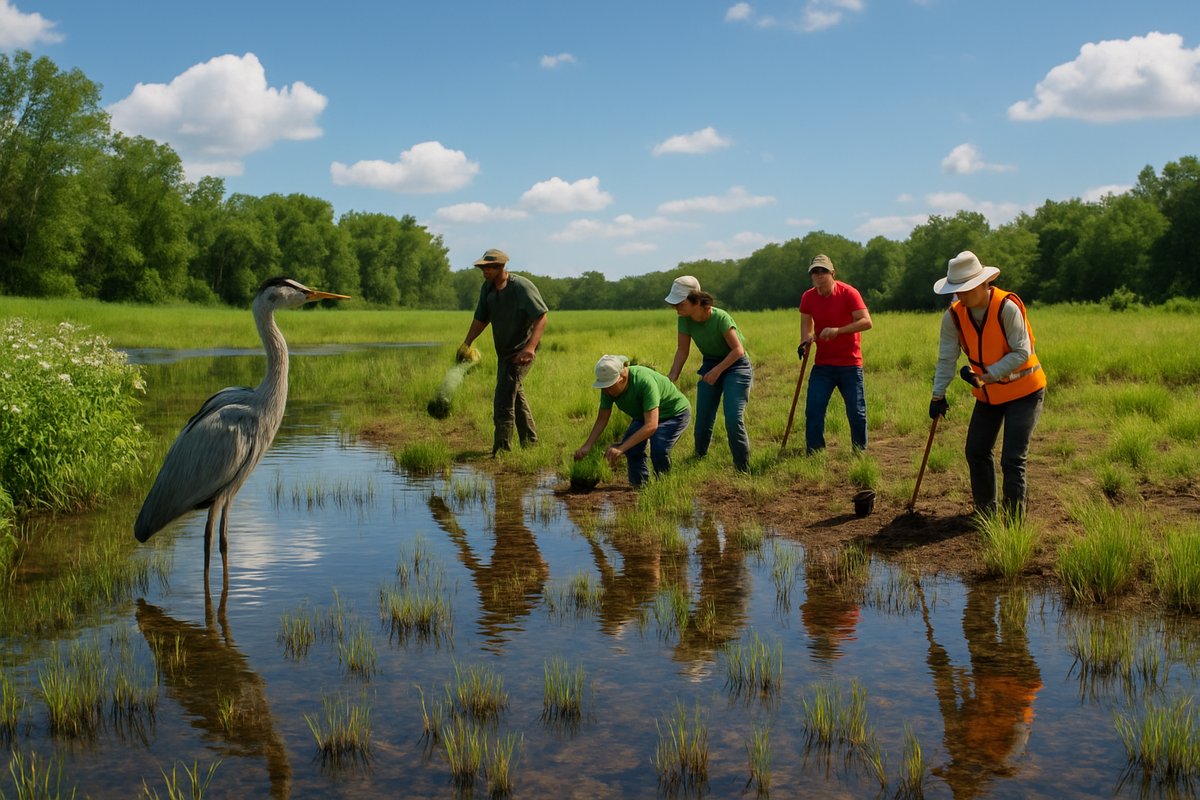
The wetland restoration featured in the study was born from a convergence of scientific insight and local activism. A community adjacent to a former tidal marsh rallied after noticing changes in local flood patterns and a disappearance of migratory birds. Their concerns caught the attention of university ecologists conducting water quality research in nearby rivers. Together, they mapped out levees for removal, reconnected channels cut off a century ago, and established native plant nurseries. Volunteer weekends turned fields of mud into corridors of life, as families waded in boots, planting plugs of rushes and willows.
The narrative unfolding here challenges the long-held assumption that only untouched wildlands deserve conservation. Scientists point out that restored ecosystems can match, and in some cases exceed, the biodiversity levels of remnant patches. The key lies in understanding the underlying hydrology and biogeochemistry, then letting natural processes take over once initial barriers are removed. In the case of these wetlands, the simple act of reconnecting water sources restored a natural floodplain that filters runoff, sequesters carbon in its peat-rich soils, and buffers communities against storm surges.
Yet the story is not without its challenges. Restoring wetlands in agricultural landscapes has required negotiations over water rights and farmland use. In regions prone to drought, managers must balance irrigation needs with the goal of keeping wet soils wet. Early attempts at planting sometimes saw invasive species outcompete desired natives, necessitating ongoing monitoring and adaptive strategies. This is where the role of citizen scientists has been transformative. Equipped with low-cost sampling kits and guided by online platforms, volunteers track changes in water chemistry, record wildlife sightings, and flag emerging issues for professional ecologists to address.
One remarkable outcome of these collaborative projects has been the resurgence of migratory birds along ancient flyways. Species that once skipped these engineered wetlands now rest and refuel, visible in flocks numbering in the thousands at peak migration. Birders armed with binoculars and smartphones share real-time observations via global networks, creating a living database that adds urgency and visibility to the restoration effort. Even local businesses have felt the ripple effect: guided nature tours, eco-friendly lodging, and handcrafted goods tied to the wetland’s rebirth now support sustainable livelihoods.
Underpinning this success is a broader shift in environmental science toward solutions that are both scalable and socially inclusive. No longer confined to laboratory experiments or remote reserves, ecologists are stepping into towns and farm fields, forging partnerships that blend rigorous data collection with the lived knowledge of local stewards. This approach echoes a growing trend in conservation biology: recognizing that people and nature thrive together when given the chance.
Across the globe, other landscapes await similar reinvention. Coastal dunes threatened by sea-level rise, degraded coral reefs choked by sediment, and deforested riverbanks along tropical waterways all present opportunities for science-guided restoration. The blueprint emerging from these wetlands-ground survey, hydrological modeling, native plant propagation, community engagement, and adaptive management-can be adapted to diverse contexts. Each successful revival becomes a case study, a modular piece of knowledge that can be remixed and expanded elsewhere.
For local communities, the newfound wetlands have become an outdoor classroom. Schools schedule field trips to measure dissolved oxygen in pond water or track dragonfly life cycles. Parents teach children to identify frogs by call and to respect the fine balance between human use and ecological health. This early exposure to environmental science fosters curiosity and may inspire the next generation of conservation practitioners.
In the broader policy arena, evidence from wetland successes is beginning to influence infrastructure planning and funding priorities. Municipal engineers incorporate green infrastructure-bioswales, rain gardens, constructed basins-into urban stormwater designs, borrowing principles from wetland hydrology to reduce flood risk. Funding agencies allocate grants to projects that demonstrate both ecological benefit and community participation, reinforcing a model in which science and society collaborate on solutions.
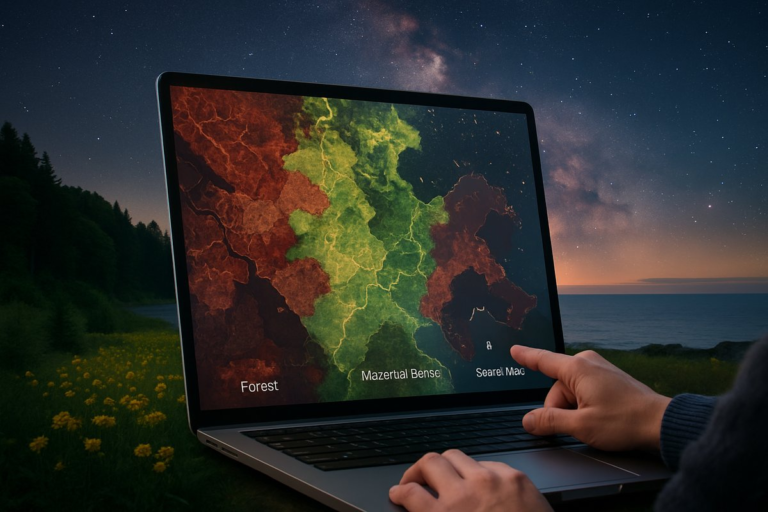
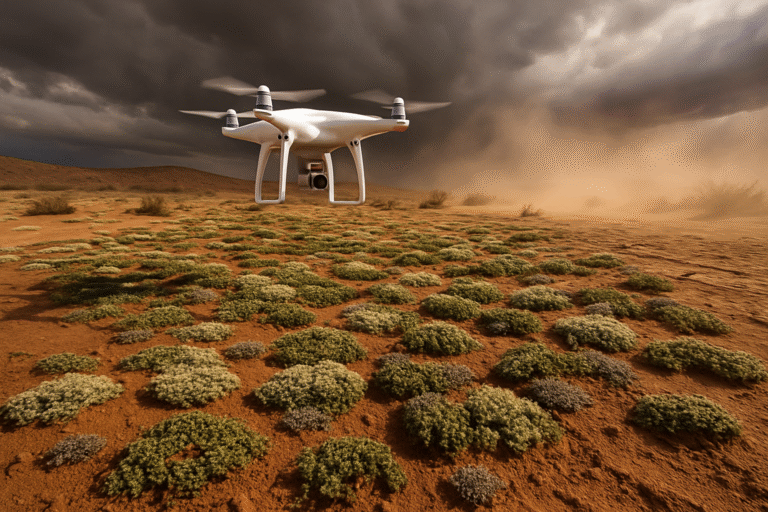
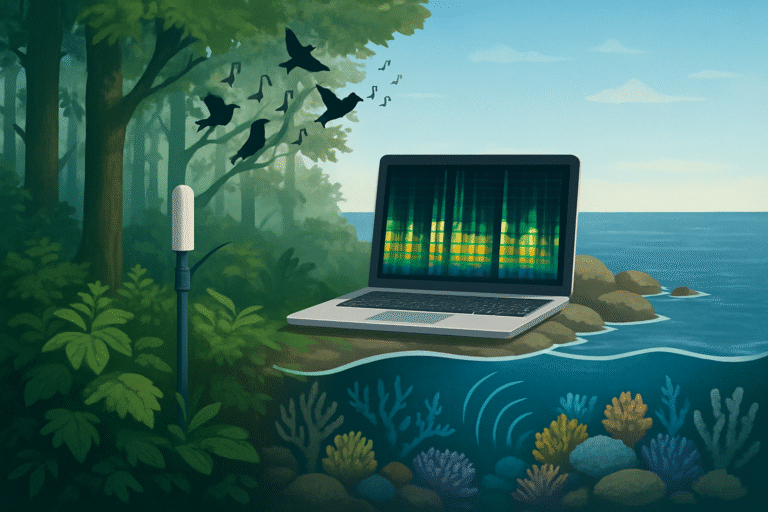
Still, long-term sustainability depends on continued vigilance. Restoration sites require monitoring for invasive species, shifting water regimes under climate change, and evolving land-use pressures. Fortunately, technological advances are making this task more accessible. Automated sensors now log water levels and quality in real time; satellite imagery reveals vegetation changes at scale; machine learning algorithms help predict where interventions will have the greatest impact.
As daylight fades across the wetland, fireflies emerge, weaving a constellation of tiny lights above the reestablished marsh. It’s a poetic reminder that even the smallest creatures play essential roles in ecosystem health. The story of these wetlands is not just about water or plants or birds-it’s about the resilience of nature when given a hand-up, and the capacity of communities to learn from and protect the living world around them.
Beyond the scientific data and the policy briefs, what endures is a narrative steeped in hope. In an era dominated by headlines of wildfires, storms, and extinctions, the revival of wetlands offers a counterpoint: a proof of concept that human action guided by ecological understanding can yield measurable, lasting benefits. For those who find their way to these sites-whether as scientists in waders, families on a weekend hike, or policymakers touring the boardwalk-the restored wetland becomes a living laboratory and a sanctuary, a place that reconciles our hunger for progress with the imperative to conserve.
The challenge now is to replicate this synergy at scale. If each community can reclaim a fraction of lost wetlands, if every restoration project becomes a node in a broader network of recovered ecosystems, then the global environment stands to gain immensely. And the lessons from our wetlands-of humility before natural processes, of collaboration across sectors, and of steadfast patience-can guide other ambitious environmental goals.
In the quiet of twilight, the restored marsh speaks volumes. It tells of what we can achieve when science, stewardship, and a shared vision come together. It invites us to look at other neglected landscapes with fresh eyes. Most of all, it urges us to believe that, even in an uncertain world, there are stories of renewal waiting to be written.