Location
Mount Vernon, WA 98274
Location
Mount Vernon, WA 98274

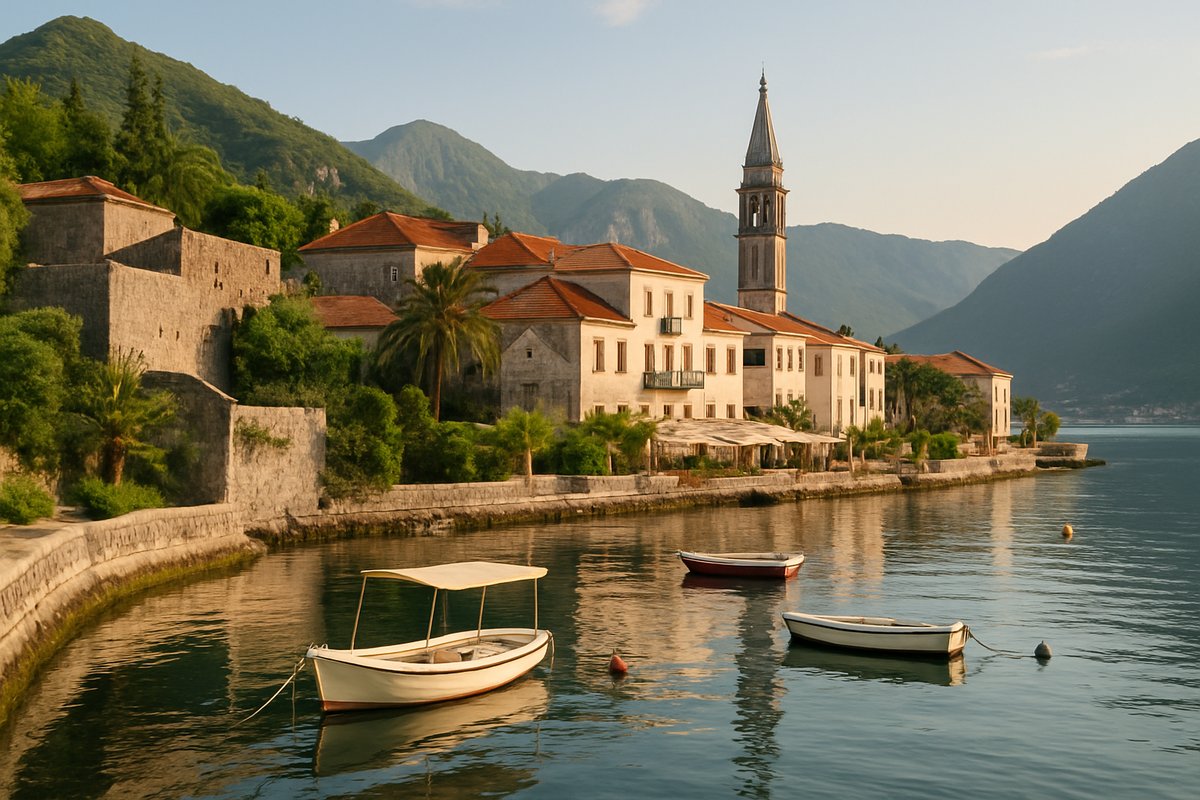
A surge in sustainable tourism is shifting travel plans toward lesser-known coastal towns along the Adriatic Sea. From the ancient walls of a hidden Montenegrin port to tranquil Albanian inlets and Croatia's budding wine routes, these emerging destinations blend local charm with eco-friendly initiatives.
As global travelers seek more authentic and eco-conscious experiences, the Adriatic coast is emerging as a hotspot for off-the-beaten-path exploration. Beyond the familiar ports of Dubrovnik and Split, a trio of destinations is drawing attention with cultural depth, environmental stewardship, and a promise of fewer crowds. This article captures how communities along Montenegro, Albania, and Croatia’s shores are reinventing coastal tourism, balancing heritage conservation with sustainable growth.
In Montenegro, the walled town of Perast is quietly transforming from a day-trip stop into a multi-day retreat. Nestled on the Bay of Kotor, its baroque architecture and calm turquoise waters offer an escape from busier hubs. Local stewards recently completed a coastal restoration project, replanting native pines and repairing historic stone piers. According to regional tourism figures, Perast recorded a 25 percent increase in overnight stays last year, led by travelers in search of intimate encounters with Mediterranean history and marine ecology.
Outside the town center, a community-run marine reserve has gained acclaim for repopulating endangered seagrass beds. Volunteer divers and researchers collaborate on underwater surveys, creating opportunities for citizen scientists. Small-group snorkeling tours introduce visitors to seahorses and octopuses navigating the restored habitat. Proceeds from these eco-tours fund educational programs in local schools, ensuring that conservation extends beyond seasonal tourism.
Heading southeast, Albania’s Ionian coast has long been overshadowed by its Adriatic neighbor. That is changing in Ksamil, where a cluster of emerald coves is redefining beach culture. New regulations limit daily visitors on the beaches and cap the number of beach clubs that can operate. This policy has sparked dialogue on responsible development and empowered local entrepreneurs to introduce solar-powered boats and biodegradable beach amenities. Visitors praise the uncrowded sands and crystalline water, where communal efforts keep plastic and noise pollution to a minimum.
Hotels in Ksamil are retrofitting their facilities with water-saving fixtures and locally produced toiletries, cutting overall water usage by an estimated 30 percent. In addition, local fishers have joined a cooperative to offer farm-to-table meals, serving amberjack and mackerel accompanied by produce from nearby organic farms. This slow-food approach connects guests to the region’s agricultural heritage and fosters a direct relationship between visitors and producers.
Croatia’s Pelješac Peninsula, known for its rugged hills and vineyards, is also experiencing a renaissance. Lesser-visited than the Dalmatian islands, Pelješac is carving out a reputation for boutique wine tourism. A network of family-operated wineries now welcomes visitors for immersive tastings and vineyard tours. These estates emphasize biodiversity, integrating olive groves and lavender hedges that support pollinators and reduce pesticide use.
A recent survey conducted by a national agritourism association showed that eco-certified wineries on Pelješac reported a 40 percent revenue boost compared to the previous year, attributing growth to travelers seeking low-impact leisure. Many estates offer walking trails that loop through terraced vineyards and coastal viewpoints, encouraging exploration on foot rather than by car. This shift aligns with regional plans to expand hiking infrastructure and discourage short-distance flights or ferry trips between island towns.
The surge in interest across these destinations is underpinned by a shared commitment to sustainable practices. Local governments have introduced measures to reduce single-use plastics, enforce building height restrictions, and promote renewable energy where feasible. In Montenegro, solar panels on heritage-style roofs power street lamps in preserved quarters. In Albania, pilot projects are testing small wind turbines to supply electricity to seaside cafes.
Tour operators have adapted by curating small-group itineraries that respect carrying capacity limits and emphasize local partnerships. Instead of packaged tours that shuttle dozens of travelers through crowded sites, guides now collaborate with artisans, fishermen, and vintners to craft tailored experiences. Participants learn traditional boat-building techniques in Perast, harvest wild herbs with elders in Ksamil, and crush olives by hand on Pelješac. These hands-on opportunities deepen cultural connections while reinforcing the importance of preserving local knowledge.
For the practical traveler, a few considerations can elevate the journey. Booking accommodations in advance remains crucial as boutique lodgings often operate with limited rooms to retain their intimate character. Bringing a reusable water bottle and lightweight beach gear supports plastic-reduction efforts. Learning basic phrases in Montenegrin, Albanian, or Croatian can open doors at family-run establishments where English may not be the default language.
Connectivity has also improved. While some remote coves still offer a digital detox, municipalities across the three regions are expanding mobile coverage and public Wi-Fi zones. This allows travelers to share real-time updates, bolster local marketing efforts, and maintain links to home without overwhelming busy servers in historic quarters.
Regional collaboration is on the horizon, too. Representatives from Montenegro, Albania, and Croatia recently met at a sustainable tourism summit to discuss joint marketing campaigns and shared quality standards. Their goal: to promote the Adriatic as a cohesive stretch of destinations connected by a commitment to environmental integrity and cultural authenticity.
For those longing to step off well-trodden paths, the Adriatic’s emerging coastal gems present an irresistible blend of history, nature, and community-driven innovation. Each town tells its own story through stone walls, sun-dappled waters, and initiatives that safeguard the future of the coastline. By choosing lightly treaded roads and supporting local efforts, travelers become part of a collective movement toward tourism that cherishes people and place.
Embracing these new Adriatic havens comes with responsibility but yields rich rewards: unhurried encounters with heritage sites, underwater worlds reborn, and vineyards that let you sip the landscape in every glass. The region’s renaissance invites exploration that is as restorative for the soul as it is gentle on the environment.
The tides are turning along this storied sea, and for travelers who value sustainability, community, and discovery, the Adriatic’s hidden treasures offer a voyage into a more mindful way of exploring the world.