Location
Mount Vernon, WA 98274
Location
Mount Vernon, WA 98274

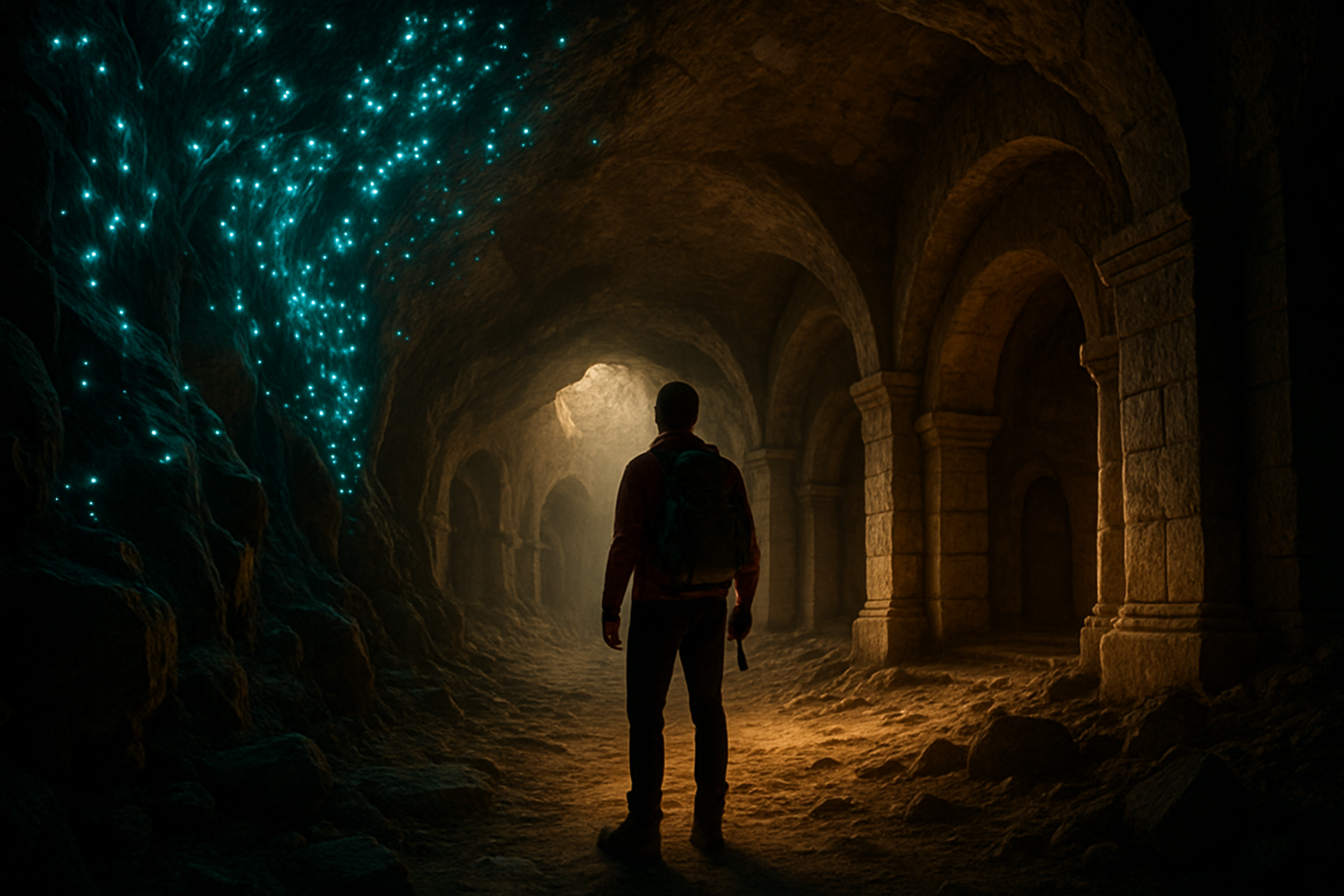
As travelers seek fresh perspectives beyond coastlines and mountain trails, many are venturing underground. From iridescent glowworm grottos to centuries-old subterranean cities, these hidden realms blend natural wonder, cultural heritage and sensory discovery in ways that redefine modern exploration.
In recent years, a growing number of explorers have turned their attention inward-below the soil, beneath city streets and deep within ancient rock formations-to discover a world of hidden chambers and labyrinthine passages. Subterranean tourism brings adventurers face-to-face with natural wonders like dripping stalactites and bioluminescent creatures as well as human-made marvels carved by miners, monks or medieval builders. As these once-obscure sites open to the public, they challenge our assumptions about travel, urging visitors to unearth new stories and perspectives.
Among the best-known natural caverns, New Zealand’s glowworm grottos attract travelers drawn to the surreal canopy of tiny bioluminescent insects. Boat tours through the limestone caverns reveal an otherworldly twinkle overhead, while guided walks highlight the fragile ecosystem. Likewise, the massive cave systems of southern France feature prehistoric wall art replicas, allowing visitors to glimpse Paleolithic life without damaging fragile originals. Both illustrate how responsible tourism can balance preservation with public access.
Ancient underground cities offer a different kind of marvel. In central Turkey’s Cappadocia region, the Derinkuyu complex descends more than 60 meters beneath volcanic rock, housing churches, storage rooms and living quarters for thousands. Carved over centuries, these subterranean networks provided refuge from invaders and harsh climates. Similar sites in nearby regions, each uniquely adapted to local geology, bear witness to human ingenuity and resilience. Today, guided tours highlight ventilation shafts, communal kitchens and chapels, offering a vivid lesson in architectural adaptation.
In urban settings, historic mines and tunnel networks are finding new life as tourist attractions. The Paris catacombs-once part of an extensive limestone quarry system-now shelter the remains of millions, presented in haunting bone galleries beneath city streets. In Scandinavia, former iron ore mines have been repurposed as underground museums, hosting art installations and sound performances deep within cold rock walls. These transformations not only preserve industrial heritage but also create immersive cultural venues far from conventional galleries.
Artists and curators have begun to embrace subterranean chambers as experimental performance spaces. Disused railway tunnels and vaulted cellars in cities like London and Sydney host silent discos, avant-garde theater and light shows, using darkness as a canvas. Echoing acoustics and filtered daylight enhance sensory impact, turning each event into a site-specific encounter. By situating creative works underground, organizers tap into a primal fascination with what lies beneath our familiar landscapes.
At the intersection of preservation and innovation, digital mapping and virtual reality tools help protect delicate underground sites while expanding access. 3D laser scans recreate cave formations in minute detail, enabling remote visits via VR headsets and mobile apps. Visitors can explore rare chambers without touching fragile formations, reducing foot traffic in sensitive areas. These digital archives also serve researchers studying climate patterns and geology, preserving data for future generations.
Despite its allure, subterranean tourism poses unique sustainability challenges. Heavy foot traffic can alter cave microclimates, endangering endemic species and delicate mineral deposits. Tour operators and conservation groups are adopting low-impact pathways, timed entries and strict visitor limits. Educational components-such as pre-tour briefings on cave etiquette-emphasize leaving no trace underground. Collaborative efforts between local authorities and international heritage organizations ensure these sites remain intact for decades to come.
Local communities adjacent to subterranean attractions are also reaping benefits. Towns that once depended on dwindling industries have rebranded around underground tours, offering homestays, guided hikes and artisanal markets selling handcrafted wares inspired by cave art. Revenue from admissions supports conservation programs and education, creating a cycle of stewardship. In some regions, former miners now serve as guides, sharing personal anecdotes that enrich the visitor experience.
Travelers drawn to these hidden depths cite sensory immersion as a primary motivator. Unlike open-air parks or sunlit monuments, caves envelop visitors in darkness, unity of sound and cool, humid air. The absence of glare sharpens other senses-every drip of water, echo of footsteps and subtle fragrance of damp stone becomes pronounced. This intimate environment fosters introspection and heightens awareness of one’s surroundings.
For those planning subterranean expeditions, careful preparation is key. Small group tours led by certified guides ensure safety and minimal environmental impact. Sturdy footwear with good traction, moisture-wicking layers and a reliable light source are essential. Many operators supply basic safety gear, but travelers are encouraged to bring personal items that match their comfort level. Advanced bookings months in advance may be required for high-demand sites.
Technology plays a vital role in modern subterranean travel. LED headlamps with adjustable beams and long battery life have replaced disposable flashlights, while portable air quality monitors can detect shifts in humidity or carbon dioxide levels. Some tours integrate sensor-equipped helmets that track environmental data in real time, enhancing both safety and scientific knowledge. By marrying gear innovations with traditional guiding, tourism operators deepen visitor engagement.
Safety considerations extend beyond lighting and gear. Fragile formations can break under pressure, so strict “no-touch” policies protect cave interiors. Guides often instruct visitors to stay on designated paths, reducing the risk of slips on uneven surfaces. In deeper networks, emergency communication devices and trained first responders provide additional reassurance. Travelers with mobility concerns should inquire about accessibility, as many underground sites involve steep staircases or narrow corridors.
Subterranean sites also intersect with local myths and spiritual traditions. In Yucatán, Mexico, cenotes-limestone sinkholes filled with groundwater-once served as sacred portals for Mayan rituals. Modern cenote tours incorporate archaeological insights and respect customary practices, allowing travelers to understand cultural contexts. Such experiences underscore the importance of honoring intangible heritage alongside physical exploration.
Emerging underground destinations span the globe. In Eastern Europe, Cold War-era bunkers have been transformed into museums chronicling 20th-century conflicts. In China, centuries-old karst caves are being developed as eco-friendly retreats, complete with minimal-impact cabins built on wooden boardwalks. Even the Nevada desert hosts a former nuclear test tunnel open for guided visits. Each new location underscores the diversity of subterranean travel and its capacity to challenge our sense of place.
Exploring below ground can be as much an inward journey as an outward one. Navigating narrow passages invites travelers to confront fear, trust their senses and embrace uncertainty. In darkness, familiar landmarks vanish, and each twist reveals a new marvel. By stepping into these hidden realms, visitors discover not only ancient histories but also deeper facets of their own curiosity.
Whether guided by archaeologists, speleologists or local storytellers, modern subterranean tours bridge past and present. They reconnect us with ancestral practices of carving and inhabiting the earth, while showcasing contemporary advances in conservation and digital interpretation. As this niche of experiential travel gains momentum, it offers a compelling reminder: sometimes the most striking destinations lie just beneath our feet, waiting to reshape the way we see the world.
For travelers seeking fresh horizons-beyond sandy beaches or towering peaks-underground adventures promise an intimate encounter with Earth’s hidden dimensions. By balancing exploration with respect for delicate ecosystems, these journeys can leave a lasting imprint on both visitor and site, forging a new frontier in responsible adventure tourism. When you next plan a trip, consider looking down rather than up: the next great discovery may lie in shadowed corridors deep below the surface.