Location
Mount Vernon, WA 98274
Location
Mount Vernon, WA 98274

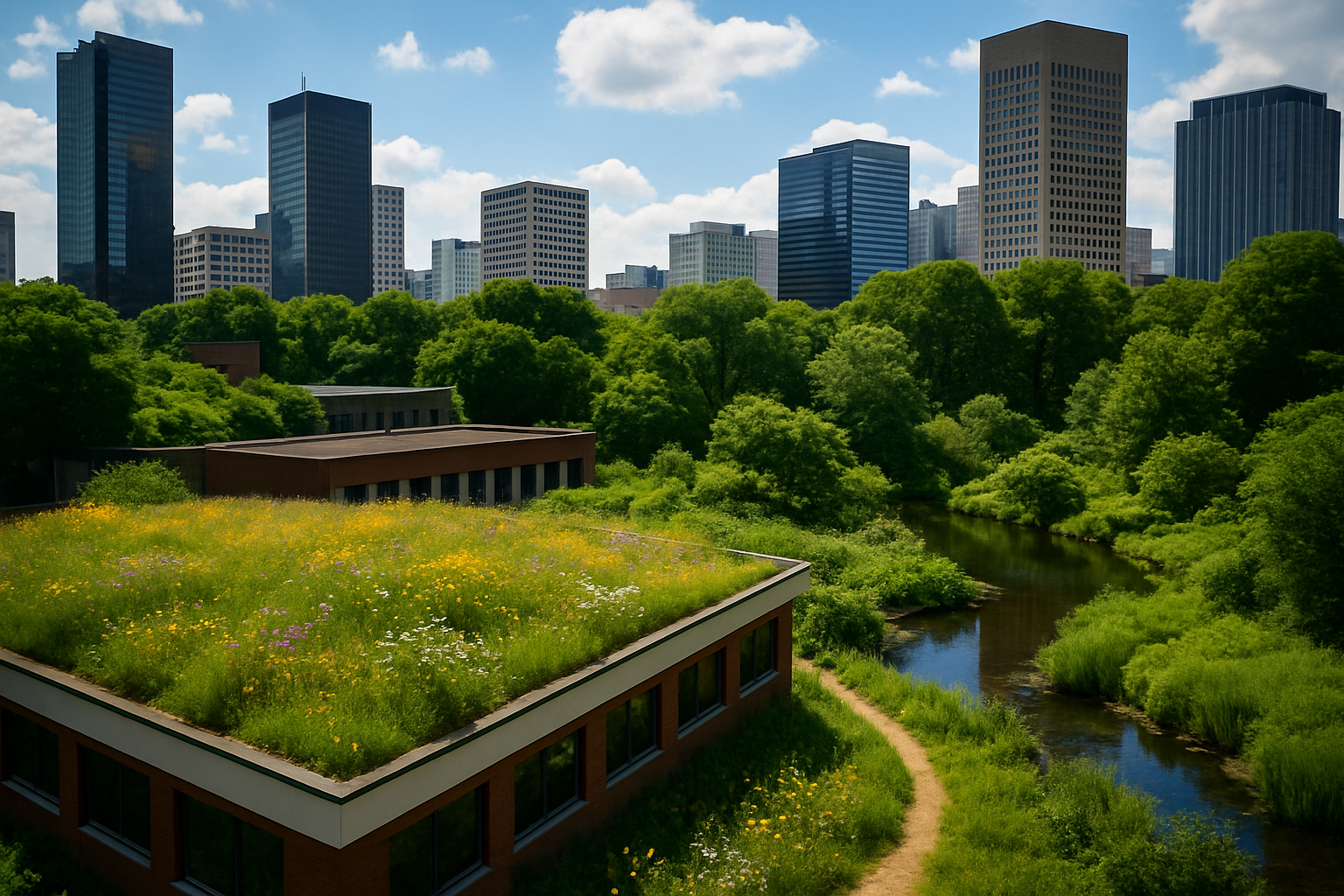
Urban rewilding is transforming concrete jungles into living ecosystems, blending cutting-edge environmental science with community creativity. From rooftop meadows to pocket wetlands, these miniature habitats are proving vital for biodiversity, climate resilience, and human well-being.
In the heart of a bustling metropolitan district, an abandoned parking lot has become a sanctuary for pollinators. Monarch butterflies drift among blossoms on a former expanse of asphalt. Native grasses sway where cars once idled. This urban oasis is one of hundreds popping up around the world as city dwellers enlist science, design and community spirit to rewild neglected spaces.
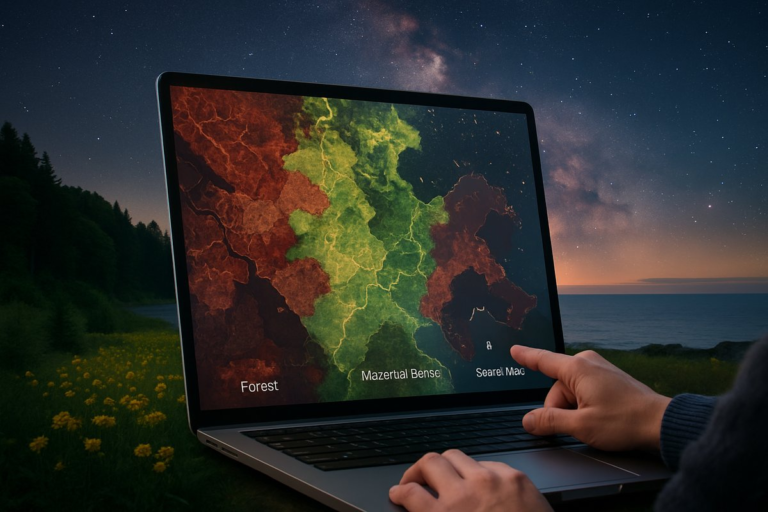
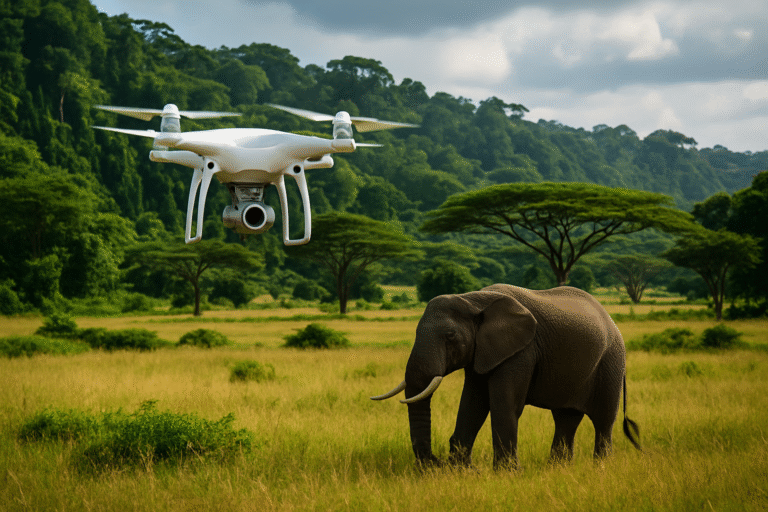
Urban rewilding isn’t a nostalgic yearning for untouched wilderness. It’s a dynamic experiment in restoring ecological processes within concrete grids. Scientists track shifts in insect populations, measure soil carbon uptake and monitor urban heat islands to gauge impact. City councils, nonprofits and neighborhood groups contribute data via smartphone apps and drone surveys, building a real-time portrait of biodiversity in unexpected places.
The appeal is obvious: rewilded plots can lower local temperatures by several degrees, absorb storm runoff, filter air pollution and provide corridors for birds and mammals. Studies show that green roofs with diverse plantings intercept up to 70 percent of rainfall, reducing stress on sewer systems during heavy storms. Root networks stabilize soil, keeping sediment out of waterways. Each pocket of greenery is a micro-reservoir of ecosystem services that once required vast wilderness to sustain.
Beyond environmental metrics, these refuges nourish community health. Parks and wildflower patches offer stress relief, foster social cohesion and spark curiosity. In one mid-sized city, researchers tallied a 30 percent increase in foot traffic and a 20 percent rise in local business revenue after converting several vacant lots into wildflower meadows. Schools host outdoor classes among tall grasses. Amateur naturalists share sightings of ladybugs, songbirds and tree frogs on local forums, learning ecological vocabulary in real time.
Under the microscope, the science of urban rewilding is evolving rapidly. Soil cores reveal a surge in beneficial microbes only months after planting native seeds. Pollinator counts double when urban gardens include a mix of early-, mid- and late-season bloomers. Even the behavior of common city birds shifts-sparrows forage more actively in rough grass, while kestrels perch on repurposed light poles above insect-rich plots.
Data streams flow from curious citizens using apps to log species sightings. These observations feed machine-learning algorithms that map biodiversity hotspots and predict where new plantings will thrive. Paired with remote sensors that measure air quality and temperature, urban ecologists can fine-tune designs on the fly. A project in a European capital, for instance, used nighttime thermal imaging to identify heat islands, then installed green walls and pocket wetlands in those exact zones, achieving a demonstrable evening cooling effect.
Challenges remain. Maintenance requires coordination and funding-grants can be short-term, and volunteer enthusiasm may wane. In one coastal city, storm surges washed away a tidepool installation before it established. Yet researchers adapted by introducing biochar-enriched soil that holds moisture and binds organic matter, speeding plant establishment and reducing erosion.
Some critics question whether small plots can deliver the scale of ecosystem services that sprawling forests provide. But proponents argue that urban rewilding is complementary, not a substitute. By weaving green threads through the urban fabric, cities create networks that over time foster resilience against the twin pressures of climate volatility and biodiversity loss.
Cities of every size are joining the movement. A South American metropolis repurposed abandoned rail lines into a green corridor teeming with hummingbirds. An East Asian high-rise district installed vertical gardens to block noise pollution and supply nesting sites for swallows. In parts of Africa, community gardens seeded with native shrubs double as firebreaks and learning centers for sustainable agriculture.
The economic case is also growing stronger. Every dollar invested in urban planting projects can yield up to five dollars in ecosystem services over a decade, according to a recent multi-city analysis. Reduced healthcare costs mirror improvements in air quality and mental health. Lower energy bills follow from cooler building envelopes shaded by greenery.
For city planners, the process begins with mapping underutilized land-alleyways, rooftops, road verges, abandoned lots. Soil testing, sunlight surveys and microclimate modeling establish the right palette of native species. Experts recommend low-maintenance perennials, wind-pollinated grasses and self-sowing wildflowers. Indigenous plant lists vary by region, but the principle is universal: diversity builds resilience.
Engaging residents is just as important. Pop-up workshops teach gardening skills. Citizen science festivals draw families to log butterfly counts. Storytelling projects weave local culture into plant selection-elder community members recall wind-dispersed seeds that once colonized nearby fields. Bringing voices into the design enriches stewardship and ensures long-term buy-in.
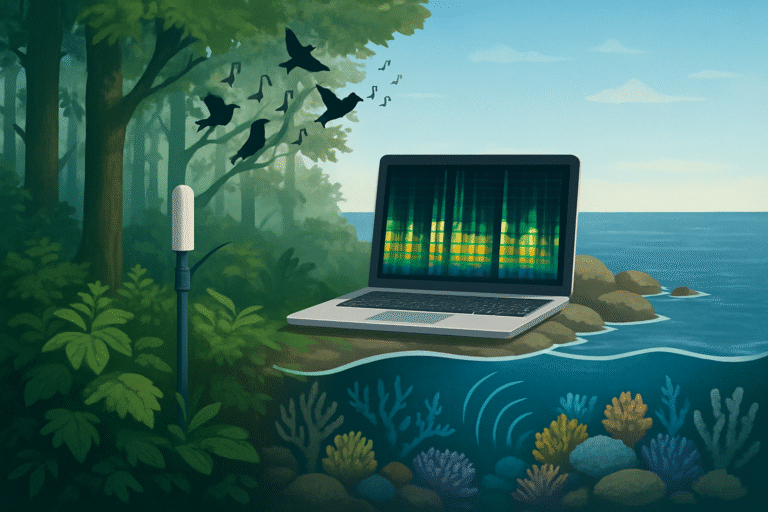
The scientific frontier lies in scaling up smart monitoring and adaptive management. Sensors embedded in roots can track moisture fluctuations. Acoustic arrays pick up insect song, bird chatter and distant traffic noise to assess ecosystem health. Artificial intelligence will soon identify species by their calls or wing-beat patterns, turning city walls into living soundscapes.
With each new data point, models refine plant-pollinator networks and predict how future heatwaves might shift flowering schedules. In one pilot project, an AI system alerted managers to an early bloom panic among urban bees, prompting the planting of quick-flowering legumes to bridge a nectar gap.
Urban rewilding is also raising deeper questions about our relationship with nature. As wild spaces encroach on sidewalks, city dwellers confront unexpected encounters with wildlife-foxes rustling through green walls at dawn, dragonflies patrolling artificial ponds. These moments spark a sense of wonder in concrete canyons, reminding us that life persists in even the most engineered environments.
The path forward blends humility with innovation. Scientists caution that planting alone isn’t enough; it must be paired with legal protections, maintenance plans and social outreach. But the early returns are compelling: increased biodiversity, cooler neighborhoods, enriched community life. People are finding that rewilding their streets isn’t a fringe hobby-it’s a practical strategy for a livable city in a warming world.
For readers inspired to get involved, the journey can start small. A window box filled with local wildflowers, a weekend seed-bombing party, a school outreach program to build bug hotels. Each seed sown, each survey logged, each photograph shared nudges the urban ecosystem toward balance.
As the concrete jungles of tomorrow take shape, urban rewilding offers a blueprint for how human ingenuity and ecological wisdom can coexist. From high-rise meadows to alleyway wetlands, every green nook expands a city’s capacity to adapt, thrive and reconnect with the living world beneath its pavement.
In the end, the rise of urban rewilding shows that we don’t have to choose between metropolis and meadow. We can weave them together, creating landscapes that sustain both people and the planet-one seed, one survey, one green space at a time.