Location
Mount Vernon, WA 98274
Location
Mount Vernon, WA 98274


An emerging global initiative is inviting volunteers to probe the secret life of soil fungi with low-cost sampling kits and smartphone apps. By mapping mycorrhizal networks across continents, community scientists are revealing the hidden highways that underpin ecosystem health and climate resilience.
Across landscapes scarred by intensive farming and development, a silent crisis is unfolding beneath our feet. Soil degradation now jeopardizes food security, carbon storage, and biodiversity in regions from temperate grasslands to tropical forests. Yet amid this backdrop of decline, a grassroots movement is taking shape, one that enlists everyday people to become guardians of the planet’s undergrowth. By harnessing the power of mycorrhizal fungi-those branching networks of microscopic filaments that connect plant roots-citizen scientists are assembling the world’s first real-time atlas of soil health.
Mycorrhizal fungi flourish in the hidden half of our ecosystem, forging partnerships with plants in a mutual exchange of nutrients and signals. These fungal highways ferry water, nitrogen, and phosphorus to thirsty roots, while siphoning off sugars produced by photosynthesis. Beyond this nutrient trade, they form a distributed communication network, warning plants of drought stress or pest invasion. When intact, mycorrhizal communities boost resilience to extreme weather, improve soil structure, and sequester carbon in stable organic matter.
Yet decades of over-tillage, chemical fertilizers, and urban sprawl have disrupted fungal habitats, leaving soils compacted, sterile, and prone to erosion. Traditional monitoring techniques-costly lab analysis and sporadic field surveys-offer only snapshots in time. To remedy this, an international consortium of ecologists, engineers, and community organizers has launched the Soil Guardians Project. At its heart lies a simple kit: a pocket-sized corer for sampling root-zone soil, sterile collection tubes, and barcoded labels. Volunteers gather samples from gardens, parks, farms, and wildlands, then mail them to regional labs for DNA barcoding.
Field teams provide training workshops and online tutorials that demystify sample integrity, sterile technique, and data logging. In just a few minutes, a backyard gardener can collect a representative core, note GPS coordinates via a free smartphone app, and ship the material in prepaid packaging. Within days, the sample’s fungal taxa are identified through high-throughput sequencing, and results flow back into a dynamic mapping platform. Citizens track progress, compare their patch of earth to nearby sites, and share restoration tips in integrated forums.
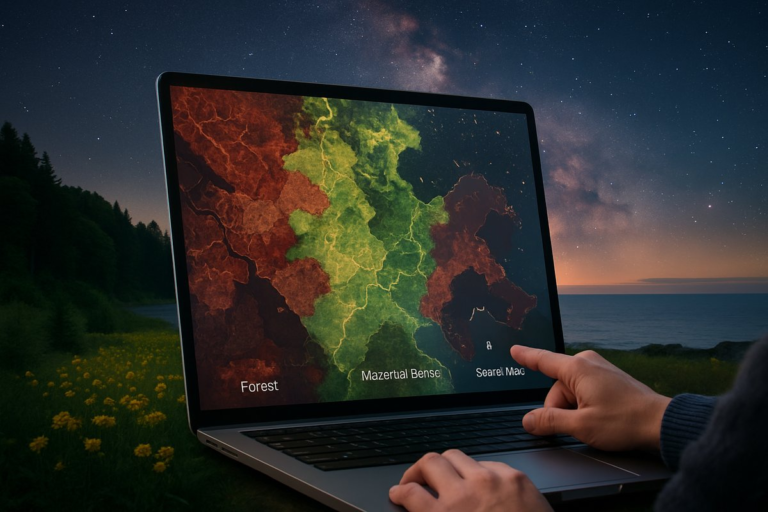
Meanwhile, software developers and bioinformaticians are refining algorithms to translate raw sequence data into intuitive metrics of network connectivity, species richness, and functional diversity. Leveraging machine learning, the platform detects subtle shifts in fungal communities-an early warning system for soil compaction, pollution runoff, or invasive plant encroachment. Participants receive personalized dashboards showing trends over time, with color-coded alerts when local conditions stray from healthy baselines.
Early findings have been revealing. In urban neighborhoods, regulated green corridors and community gardens boast unexpectedly diverse fungal assemblies, rivaling those of suburban woodlots. In agricultural zones, no-till farms practicing rotational cover crops harbor more extensive mycelial networks than conventionally tilled fields. Coastal restoration sites reveal robust fungal recolonization when native grasses are reestablished, underscoring the importance of plant-fungus partnerships in wetland recovery.
Beyond data collection, the initiative has sparked a wave of hands-on restoration efforts. Volunteers share homemade compost recipes inoculated with local fungal spores. Farmers explore on-farm incubators that culture beneficial species for soil amendment. Municipal agencies lean on the community map to prioritize tree-planting sites where belowground connectivity is most degraded, ensuring new plantings stand a better chance of survival.
At the policy level, aggregated soil health metrics are informing land-use decisions and conservation incentives. Grant programs now factor fungal network scores into funding criteria, rewarding farmers and land stewards who maintain or restore belowground biodiversity. This shift from one-off pilot studies to a sustained monitoring network marks a turning point in how we steward the critical resource beneath our feet.
Yet the initiative is as much about emotional intelligence and social cohesion as it is about science. By inviting participants to engage directly with the living world, Soil Guardians fosters empathy for soil organisms often overlooked. Children learn to spy on springtails and earthworms while sampling fungal hotspots. Neighborhood teams celebrate monthly data releases, sharing local stories of soil revival alongside charts and heat maps.
In an era of remote sensing satellites and big-data dashboards, this movement reminds us that sometimes the most profound discoveries come from tiny hands in humble soil cores. Mapping mycorrhizal highways is not just an academic exercise; it’s a collective act of care. As citizen scientists continue to unearth the web that binds all terrestrial life, they are laying the groundwork for resilient food systems, climate-smart restoration, and a deeper sense of connection with the ground beneath us.
The road ahead promises new innovations: portable DNA sequencers that decode fungal identity on-site, bio-sensor probes that track moisture pulses along hyphal threads, and open-source lab kits that democratize advanced analysis. But for now, the real magic unfolds in community backyards and public parks, where curious stewards dip their hands into the earth and join the silent chorus of soil renewal.
Whether you’re tending a rooftop garden, restoring prairie remnant, or simply curious about the life under your lawn, the Soil Guardians Project invites you to play a part in healing our planet’s underground web. After all, the fate of forests, farms, and cities may very well rest on the resilience of these hidden highways.