Location
Mount Vernon, WA 98274
Location
Mount Vernon, WA 98274


As the digital nomad lifestyle gains momentum, previously overlooked towns and rural regions are transforming into vibrant hubs for remote workers. From coastal Spain's smart villages to mountain hamlets in Latin America, sustainable initiatives and public-private partnerships are redefining how-and where-we live and work abroad.
A tectonic shift in travel is underway as remote work becomes more ingrained in our professional lives. No longer bound by office walls, countless professionals are exploring new corners of the globe, turning off-the-grid villages into thriving microeconomies. What began as a pandemic-era necessity has blossomed into a lasting trend, fueling investment in broadband infrastructure, eco-friendly accommodations, and coworking enclaves optimized for digital productivity.
International data from the United Nations World Tourism Organization confirms a surge in long-stay travel: average tourist trips exceeding two weeks rose by 28 percent over the last four years. Meanwhile, surveys by global coworking network surveys show that nearly one in three remote workers would relocate permanently if given reliable internet and community support. Such figures underscore a profound transformation: travel is no longer just about vacation but about building mobile, place-agnostic lifestyles.
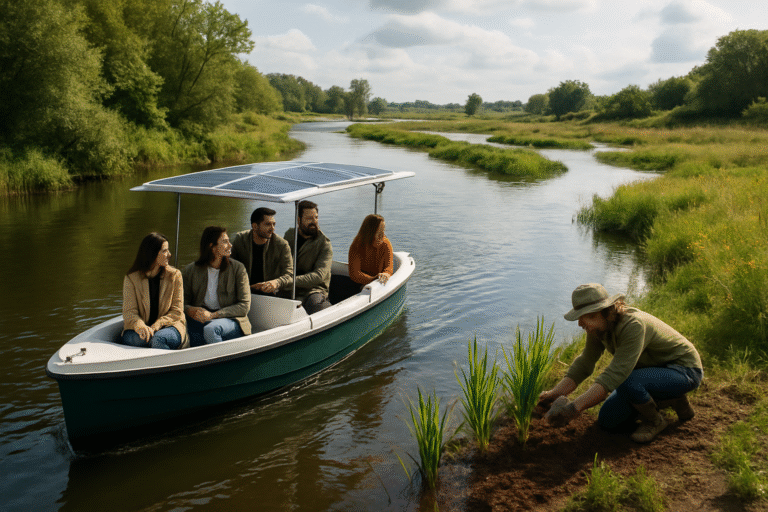
One standout example is the Andalusian region of southern Spain, where local governments have launched “smart village” pilot programs. Broadband upgrades now reach olive groves nestled among centuries-old whitewashed hamlets, and solar-powered coworking centers house freelancers, software developers, and online educators. Community-supported agriculture branches deliver fresh produce weekly, forging connections between visitors and small-scale farmers proud to share sustainable practices.
Further east in the Balkans, Montenegro’s northern mountain towns are crafting a similar narrative. Once known chiefly for summer trekking, these highland communities now double as winter digital sanctuaries. Rustic inns retrofitted with noise-dampening pods and dedicated video-conferencing suites cater to content creators and remote teams. Partnerships with eco-tour operators ensure that guided hiking, wildlife observation, and cultural exchanges remain carbon neutral-an approach praised by conservation groups.
Latin America has likewise seen a wave of remote-work initiatives, particularly in Ecuador’s Andean valleys. Indigenous-owned ecolodges have repurposed outdated hostel blocks into modern workspaces, complete with backup power generators and rainwater harvesting systems. Travelers delight in afternoon language exchanges with local hosts, learning Quechua phrases while discussing regional history over organic cocoa tea. These encounters foster empathy and mutual respect, illustrating how travel can bridge cultural divides rather than superficial tourism.
Beyond government and grassroots efforts, the private sector is also stepping in. Co-living startups have opened residences in Portugal’s Algarve coast, integrating coworking lounges, on-site child care, and peer-led skill-swap workshops. Investors cite growing demand among agile families seeking work-life integration without sacrificing professional growth. Some operators even offer flexible subscriptions that allow stays in multiple towns over a year, encouraging exploration across wine regions and historic fishing villages.
Professionals report substantial benefits: a balanced daily rhythm, fresh creative stimuli, and strengthened well-being. Recent independent research indicates 62 percent of remote workers experience reduced burnout when relocating every three to six months. The novelty of new surroundings, combined with locally sourced cuisine and outdoor recreation, appears to counteract the mental fatigue of prolonged home-office routines.
Yet the trend carries challenges. Rapid influxes of nomads can strain fragile water tables, driving up housing costs for residents. To mitigate these pressures, some communities have instituted visitor caps and sliding-scale fees that fund environmental restoration projects. In coastal Sri Lankan fishing villages, for instance, a “visitor levy” contributes directly to mangrove replanting. In return, guests learn traditional climbing methods from local experts, gaining firsthand appreciation for ecosystem stewardship.
The rise of remote-work tourism is also fueling a deeper conversation about digital inclusion. Access to high-speed internet and power stability remains uneven, sidelining regions that lack infrastructure investments. International aid organizations have begun to collaborate with local councils, deploying microgrids and satellite broadband solutions. Their goal: to ensure that the digital revolution is not confined to wealthy enclaves but elevates communities across continents.
Amid these developments, seasoned travel advisors recommend a trip-planning approach that centers sustainability and cultural immersion. Prospective remote workers are encouraged to research local regulations on visas and taxes, seek accommodations with green certifications, and partner with community-led initiatives for ethical volunteering opportunities. Doing so avoids the pitfalls of extractive tourism and helps build trust between visitors and hosts.
As work-from-anywhere evolves, new destinations will continue to emerge, each shaped by local values, climate conditions, and community goals. The story of remote retreats is still being written-in mountain fastnesses, coastal hamlets, and desert oases alike. What remains clear is that travel now carries dual purpose: accomplishing professional tasks while forging genuine connections with place and people. In the process, we redefine what it means to travel and to live.