Location
Mount Vernon, WA 98274
Location
Mount Vernon, WA 98274

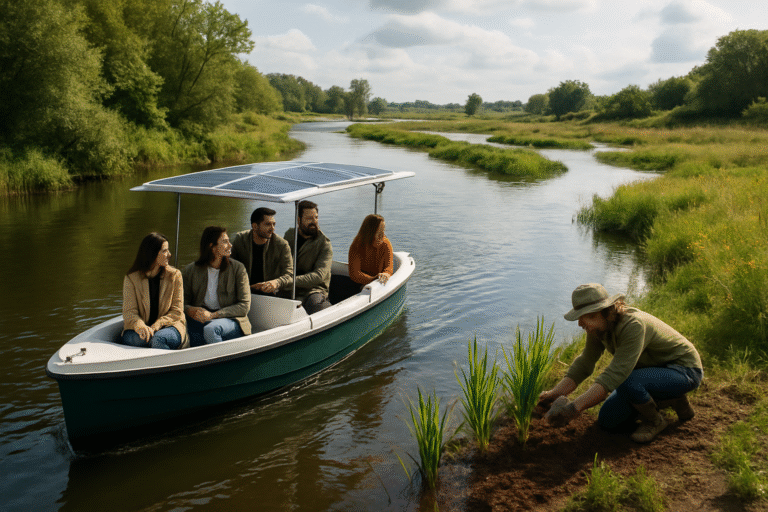
As global travelers shift from checklist tourism to purposeful exploration, a new generation of sustenance-minded getaways is emerging. From regenerative farms in Europe to secluded night-sky villages in Scandinavia, discover destinations designed to nourish curiosity, community and the planet.
In recent years the travel industry has seen more than just a rebound-it has undergone a quiet revolution. Gone are the days when the ultimate vacation was measured solely by how many Instagrammable landmarks you could tick off your list. Today’s explorers seek experiences that resonate with deeper values: sustainability, privacy, cultural exchange and emotional rejuvenation. This shift reflects findings from the Booking.com Sustainable Travel Report, which revealed over 80 percent of global travelers want to make choices that benefit local people and the planet.
Sustainability isn’t a buzzword here; it’s the guiding principle behind a wave of destinations that blend environmental stewardship with immersive cultural encounters. Whether you’re a novice traveler planning your first escape or an experienced adventurer hunting for the next hidden gem, these eco-conscious havens will inspire you to travel thoughtfully-and leave places better than you found them.
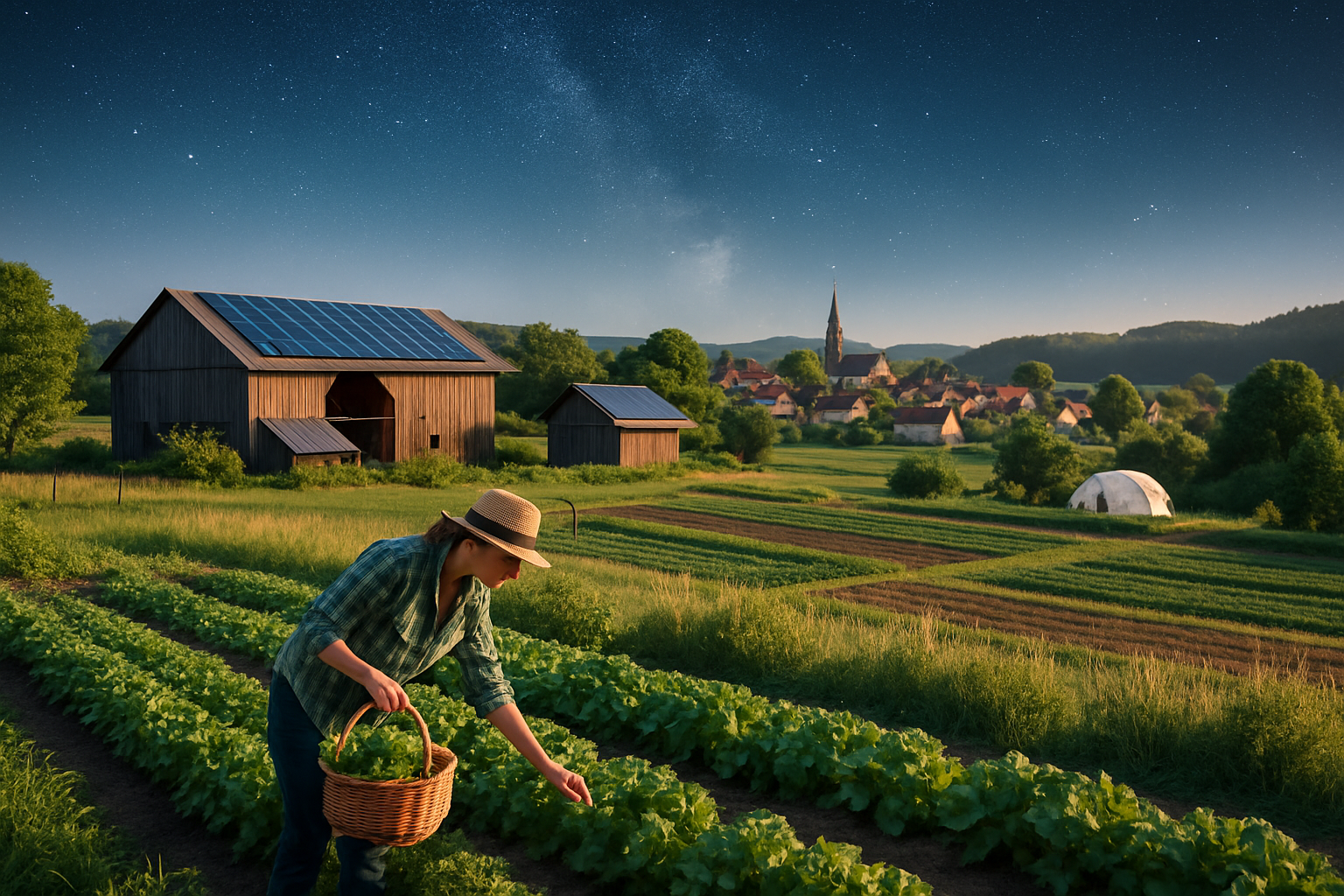
Scattered across continents, regenerative agriculture retreats offer more than a night’s stay in a farm cottage. In Portugal’s Douro Valley, you’ll find vineyards embracing biodynamic practices. Guests don mud boots at dawn to join cellar masters sorting grapes and learn how cover crops and natural compost restore soil health. Lunch features the very wine you just helped harvest, paired with heirloom produce picked steps away from your table. This hands-on immersion isn’t just about tasting new flavors; it’s about rebuilding the connection between people and the land. Similar initiatives in Tuscany, California’s Napa Valley and New Zealand’s Marlborough region follow the same blueprint: conservation through participation.
If forests call to you, several off-grid cabins in Northern Europe have become sanctuaries for quiet contemplation. In Finland, eco-cabins near the town of Kuusamo offer thermal windows that frame the aurora borealis. By day you hike black spruce trails and forage for chanterelles; by night you sink into a wood-fired sauna before gazing at the dancing lights. Farther south in Sweden’s Värmland region, the “forest bathing” concept-rooted in Japanese shinrin-yoku-has been adapted to boreal woods. Guided walks encourage visitors to slow down, breathe deeply and reconnect with their senses beyond the screen glare of everyday life.
Below the water’s surface, innovative glamping sites in Southeast Asia are exploring ocean conservation through immersive stays. In the Philippines’ Coron archipelago, floating lodges stationed amid coral gardens let guests snorkel beside protected reef walls and participate in reef restoration workshops. Marine biologists guide divers in coral planting sessions, illustrating how small fragments can be clipped from a mother colony and grown into new reef walls. This hands-on approach fosters a personal sense of guardianship for our oceans.
Digital detox resorts, once a niche, have expanded across the globe. In Peru’s Sacred Valley, remote ecolodges encourage guests to hand over their devices at check-in. Mornings are devoted to Andean yoga sessions overlooking terraced fields; afternoons can be spent weaving with Quechua artisans or joining potato planting ceremonies that date back centuries. By surrendering constant connectivity, travelers report deeper cultural insights and a newfound appreciation for silence and stillness.
Emerging Indigenous-led experiences are rewriting the narrative around cultural tourism. In Australia’s Arnhem Land, Yolŋu guides lead small groups through rock art sites that are tens of thousands of years old. Participants learn clan histories, Dreamtime stories and traditional bush survival techniques. In Canada’s Yukon Territory, local First Nations hosts offer multi-day canoe journeys on the Yukon River, sharing legends of the land and teaching wild rice harvesting along the way. These respectful collaborations place Indigenous voices at the heart of the story, ensuring traditions are honored rather than commodified.
Booking eco-conscious flights and accommodations is easier now that major certification bodies provide clear standards. Look for properties vetted by the Global Sustainable Tourism Council (GSTC) or Green Globe. These labels evaluate carbon management, community benefits and resource conservation. Airlines are also rolling out carbon offset programs that fund reforestation and renewable energy projects. According to the International Air Transport Association, voluntary carbon offset purchases grew by 25 percent last year, reflecting travelers’ willingness to invest in cleaner skies.
Planning an eco-escape doesn’t require sacrifice-it calls for mindful preparation. Start by packing a refillable water bottle to reduce single-use plastic. Opt for reef-safe sunscreen formulated without oxybenzone or octinoxate when swimming in coral areas. Bring a compact solar charger so you can power devices off the grid. Swap disposable toiletries for biodegradable bars and invest in a lightweight, washable toiletry bag. Each small choice compounds into a lower footprint and a more authentic travel experience.
Privacy has taken on new dimensions in this age of meaningful travel. Instead of hotels in bustling centers, many adventurers now seek boutique bungalows on private atolls or glamped-out treehouses accessible only by foot or e-bike. These intentional settings foster deeper connections with travel companions or local hosts, unburdened by the distractions of crowded lobbies and busy cityscapes.
Technology remains a supporting player, not the main event. Curated travel apps now emphasize local commerce by mapping artisan cooperatives, guiding cyclists through rural villages and offering real-time language translation for respectful cross-cultural interactions. Offline mapping tools help during digital detox stays, ensuring you remain safe without constant notifications.
Community engagement is woven into the DNA of these new destinations. Local co-ops produce welcome baskets stocked with handcrafted jams, herbal remedies harvested from on-site gardens and textiles dyed in natural pigments. A portion of every booking often goes directly toward neighborhood schools, healthcare clinics or clean-water initiatives. In Costa Rica’s Osa Peninsula, ecolodges partner with marine conservation NGOs to fund turtle nesting patrols; guests can join night watches and help ensure hatchlings reach the sea.
For administrators or travel curators looking to design similar programs, transparency is key. Detail where guest fees are allocated, ensure hosts receive fair wages and build feedback loops so communities can guide improvements. Encourage visitors to approach with humility and curiosity rather than assumptions-an attitude as vital to emotional intelligence as any packing list or itinerary.
These eco-escapes aren’t fads; they represent a broader shift in how we value travel. People no longer want to be mere spectators of landscapes and cultures; they want to be participants in regeneration, whether that’s planting trees, reweaving ancestral fabrics or diving to restore reef ecosystems. Travelers return home not with souvenirs, but with a sense of stewardship and a repertoire of stories that extend beyond the photo frame.
As this movement gains momentum, the definition of a “dream vacation” is evolving. It’s less about ticking famous landmarks off a list and more about co-creating positive impact in hidden corners of the world. By choosing stays that prioritize ecological health, cultural integrity and local empowerment, we embrace travel as a force for good-one mindful journey at a time.
Around the globe, new portals to discovery await: the regenerative farm where you help sow next season’s crops, the silent forest retreat where the only soundtrack is wind through the pines, the floating lodge where you nurture coral just beneath the waves. These are the destinations of tomorrow-places that spark intellectual curiosity, foster emotional connection and remind us that the greatest souvenirs aren’t things we pack, but the shared experiences we carry within.