Location
Mount Vernon, WA 98274
Location
Mount Vernon, WA 98274

A space for quiet awe and curious exploration. Here, we reflect on the living world—its patterns, resilience, and beauty. From forests to fungi, seasons to starlight, nature invites us to notice, remember, and belong.
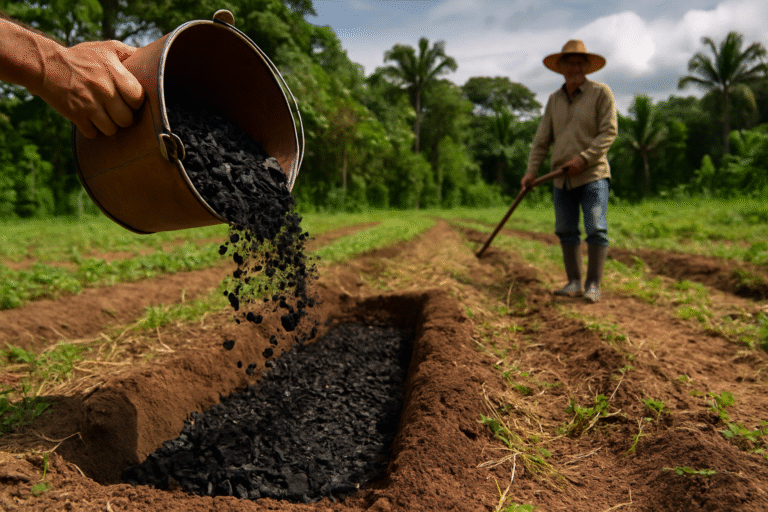
Once buried in the soils of the Amazon Basin, biochar is experiencing a resurgence as researchers and farmers seek nature-based solutions to climate change and soil degradation. By converting agricultural residues into a stable form of carbon and returning it to fields, biochar not only locks away greenhouse gases but also revitalizes depleted soils for higher yields and greater resilience.
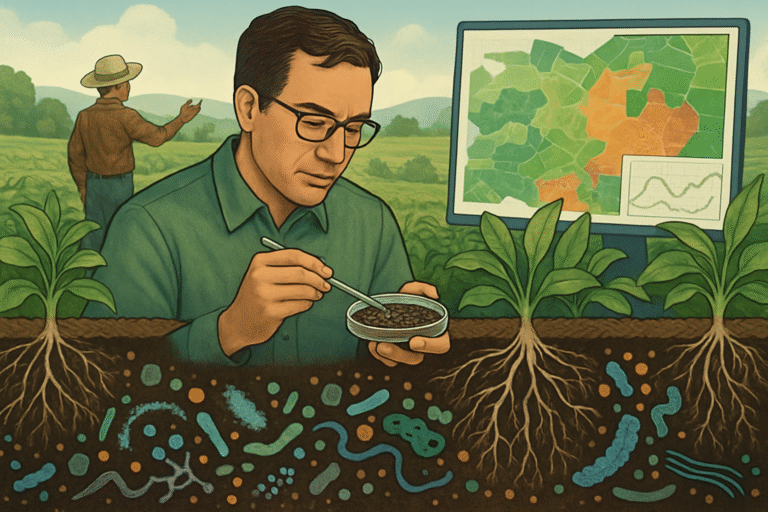
Scientists and land stewards are turning attention beneath the surface, exploring soil microbiomes as powerful allies in carbon sequestration and ecosystem health. New mapping techniques, regenerative practices, and policy incentives are converging to transform agriculture and conservation into climate mitigation frontlines.

As cities worldwide begin weaving green veins through concrete jungles, new corridors of native plants, pollinator habitats, and community gardens are boosting biodiversity, improving air quality, and strengthening climate resilience. From Singapore's Park Connector Network to grassroots pollinator pathways in European capitals, urban rewilding is proving that nature and metropolis can thrive side by side.

Across continents and cityscapes, scientists and communities are embracing nature-based solutions to tackle climate change, biodiversity loss, and urban resilience. This article explores the latest research on wetland restoration, green infrastructure in cities, community-driven conservation projects, and the emerging tech tools that are accelerating environmental science.