Location
Mount Vernon, WA 98274
Location
Mount Vernon, WA 98274

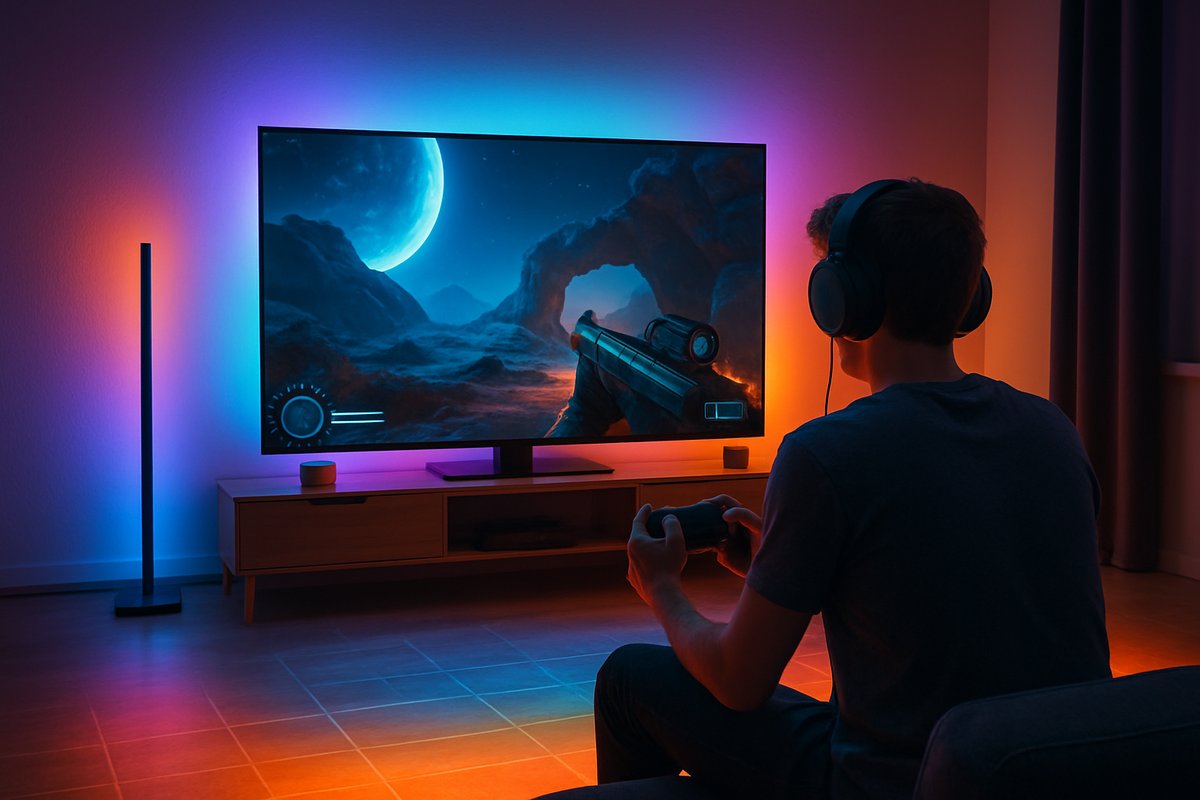
A wave of ambient-technology integration is transforming living rooms into dynamic gaming arenas. From reactive lighting to haptic feedback floors, modern setups are blending sight, sound, and touch for deeper immersion. Discover the innovations, challenges, and tools that are leveling up gaming environments everywhere.
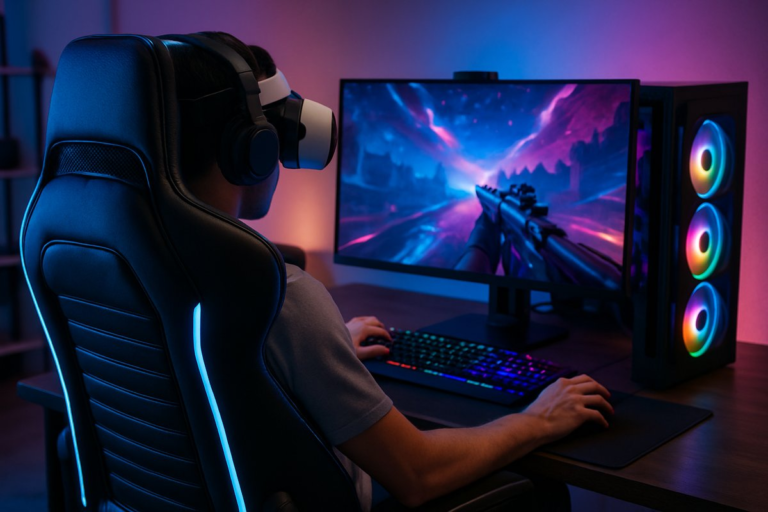
Imagine stepping into your living room and having the walls pulse with the colors of your favorite game as soon as you hit start. No longer confined to static monitors and blinders-on focus, today’s gaming enthusiasts are adopting ambient technology ecosystems that react in real time to in-game events. By syncing lights, speakers, and even flooring elements to the action on screen, players are crafting multi-sensory experiences that blur the line between virtual worlds and physical space.
At a recent developer expo, leaders in smart-home and entertainment tech revealed new open APIs designed to bridge game engines and consumer lighting systems. Instead of proprietary solutions that lock players into single-brand ecosystems, these cross-platform interfaces promise seamless integration with popular smart bulbs, LED strips, and soundbars. Game studios have already begun rolling out plug-and-play add-ons for their engines, enabling live mapping of color zones, waveform EQ for audio sync, and event-driven triggers without lengthy configuration.
Under the hood, these ambient platforms rely on lightweight local servers or cloud-based relay services. A desktop client or console plug-in reads telemetry data such as health bars, explosion effects, or musical cues and transmits compact packets to smart devices on the same network. Users can tailor thresholds, color palettes, and transition curves through intuitive mobile or desktop dashboards. Some enthusiasts even chain multiple lighting units to trace the flow of fireballs or map position cues to addressable RGB back panels.
Streaming personalities and content creators have been early adopters. On thousands of channels around the globe, viewers tune in to watch dynamic backgrounds shift in unison with boss fights, score streaks, or narrative milestones. Crowdsourced color themes and community presets litter platform forums, allowing fans to share immersive setups. A well-timed thunderclap or victory fanfare can now trigger a full-room strobe show, turning a solo playthrough into a live production.
Scaling up these rigs poses challenges. Continuous full-spectrum illumination can drive energy consumption higher than standby gaming PC loads. Responding to sustainability concerns, several vendors have introduced low-power LED modules with diffused lenses that spread softer hues while drawing minimal current. Open-source firmware patches enable power-scaling profiles that dim peripheral zones during quiet moments or automatically deactivate devices after extended idle periods.
While ambient lighting steals headlines, haptic floor mats and chair attachments are gaining traction as the next frontier. By delivering subtle vibrations tied to footsteps, explosions, or engine roars, these tactile layers complete the sensory loop. Early reviews from beta testers praise the added realism when navigating virtual terrain or feeling the rumble of an on-screen landslide. Developers are exploring ultra-thin form factors that can slip under carpets or integrate directly into gaming chairs without altering ergonomics.
Behind the scenes, alliances between indie middleware creators and major console manufacturers are paving the way for broad adoption. A newly announced cross-device SDK allows titles on console, PC, and mobile to tap into the same ambient ecosystem. That means handheld streams can trigger living-room fixtures remotely, while couch-co-op sessions can orchestrate synchronized lighting across multiple rooms. Early demos showcased players across different continents sharing a unified visual environment.
On the grassroots side, hobbyists are crafting DIY riffs with open-source microcontrollers and addressable LED strips salvaged from old hardware. Online tutorials walk through wiring custom diffusers, setting up mesh-networked smart switches, and scripting color-themed macros for boss encounters. Enthusiastic builders trade 3D models for mounting brackets and diffusion panels on printed-circuit boards. The community spirit is invigorating creators who once saw lighting as mere aesthetics.
For players keen to dip their toes into ambient rigs, a modular toolkit approach works best. Start with a basic set of addressable LED strips to frame monitors or behind a desk. Pair these with a smart-hub device that supports multiple protocols-Wi-Fi, Zigbee, Bluetooth-so you can swap lights and gadgets as needs evolve. Look for platforms offering music-visualization modes alongside gaming integrations; that way, your gear stays in sync during both marathon streams and weekend watch parties.
Choosing the right smart-lighting bundle depends on room size and layout. Smaller spaces might thrive with two to three shorter light strips and a compact hub, while larger setups benefit from extension kits and additional diffusers. Pay attention to lumen output and beam angle-diffused, wide-angle optics lend a softer glow that doesn’t strain the eyes during extended sessions. Battery-backup options can preserve your favorite scenes in the event of a power blip, ensuring your color themes persist.
Looking ahead, experts predict ambient gaming will evolve into fully multisensory platforms. Upcoming concepts include scent diffusers releasing fragrance cues tied to in-game events and smart fans that replicate on-screen breezes or heat waves. Spatial-audio arrays may map sound across ceiling fixtures for true three-dimensional immersion, while adaptive wall panels could project indirect visuals that complement central displays. As the ecosystem matures, players will assemble ever more elaborate theaters of play where every sense is engaged.
The convergence of ambient lighting, haptic feedback, and developer-driven APIs is transforming how games are experienced. By treating rooms as extensions of virtual worlds, players unlock deeper engagement and shared audiovisual moments. Whether you’re a streamer seeking a fresh hook or a casual gamer chasing a richer solo adventure, the tools to sculpt your environment await. Press start and let the room become part of the story.