Location
Mount Vernon, WA 98274
Location
Mount Vernon, WA 98274


A new generation of finance platforms is breaking down barriers to budgeting and investing. By blending open banking, AI-powered insights, and intuitive design, these tools aim to guide users from confusion to confidence-no jargon required.
Personal finance has never been more accessible-and more fragmented. From dozens of banking apps to multiple investment dashboards and a dizzying array of subscription services, managing daily budgets and long-term portfolios can feel like juggling flaming torches. Consumers often end up relying on spreadsheet templates or outdated desktop software that lacks the real-time insights modern money demands.
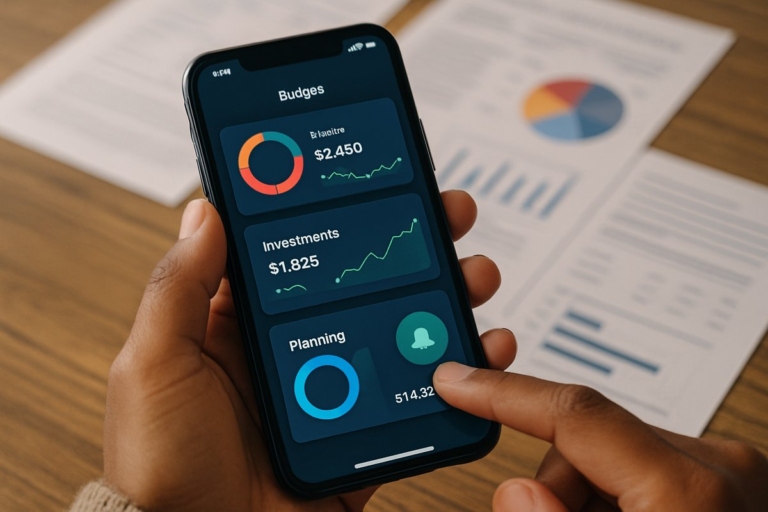
Yet a shift is underway. A wave of AI-driven platforms is emerging to stitch together transactions, savings goals, and investment strategies into a unified dashboard. These tools pull data securely from multiple institutions, apply machine learning to categorize spending, and offer plain-English coaching on how to close financial gaps. Instead of deciphering arcane terms like “dollar-cost averaging” or “liquidity ratio,” users receive actionable steps-like setting aside a fixed percentage of every paycheck or reallocating a portion of a retirement fund into sustainable ETFs.
Take the experience of freelance designer Maya Rivera. Facing an inconsistent income schedule and mounting living costs, she tried multiple apps before finding one that connected directly to her checking account, analyzed seasonal earning patterns, and automatically adjusted her monthly “safe spending” allotment. When she received an unexpected invoice payment, the platform notified her that she could safely increase her personal savings contribution and still cover upcoming bills. “I felt as though I had a personal CFO in my pocket,” she says.
At the heart of these platforms is open banking-an emerging standard that lets third-party providers access banking data (with user permission) via secure APIs. By importing transaction histories, recent salary deposits, and recurring bills, AI models can detect spending trends: did you eat out more last month? Are subscription renewals draining your balance? The tool then groups expenses into intuitive buckets-essentials, lifestyle, debt payments-and highlights areas to trim or optimize.
Beyond budgeting, many platforms now embed simplified investing modules. Instead of forcing newcomers to choose from hundreds of individual stocks, users can opt into thematic portfolios-everything from environmental sustainability to emerging markets-curated by financial analysts and auto-rebalanced monthly. Micro-investing options let someone allocate spare change from everyday purchases: a coffee at the corner shop becomes a tiny contribution to a clean-energy fund.
This democratization of investing comes with built-in risk management. If market volatility spikes, the platform issues low-panic alerts and suggests small portfolio tweaks. It can freeze automatic deposits until conditions stabilize, or offer short tutorials on why certain asset classes tend to recover faster. The goal is to keep novices from making emotional decisions at the worst possible moments.
Security and privacy remain top priorities. Leading providers use 256-bit encryption and multi-factor authentication to protect data in transit and at rest. Some even offer a hardware security key integration for two-step login, adding a physical layer of defense against phishing attempts. Users can review and revoke data-sharing permissions at any time, ensuring they stay in control of who sees their financial details.
The impact is measurable. Industry reports show that households using an integrated finance app reduce impulse spending by up to 20% in the first three months. Meanwhile, new investors using AI-guided portfolios are more likely to stay invested through market downturns-an essential factor in long-term wealth growth. Adoption rates are climbing fastest among users in their twenties and thirties, reflecting a generational shift toward mobile-first money management.
Financial advisors cautiously welcome these innovations. “Automated tools can handle most of the heavy lifting, especially for basic budgeting and long-term investment strategies,” notes an independent wealth coach. “That frees humans to focus on complex tax planning, estate issues, or major life transitions.” For many, partnering an AI-driven app with periodic check-ins from a live advisor may deliver the best of both worlds.
Looking ahead, the next frontier includes voice-activated financial assistants and deeper personalization. Imagine asking your phone in plain language: “What can I safely spend this weekend?” or “How much longer until I hit my first $10,000 in savings?” The AI would analyze cash flow, upcoming bills, and even calendar-based events to give a clear, jargon-free response. Machine learning could recommend small habit shifts-like canceling a little-used subscription-before they become budgetary pain points.
In a landscape once dominated by opaque fee structures and complex terminology, these AI-driven platforms promise clarity and confidence. They meet users where they are, translate financial concepts into everyday language, and guide decisions with timely insights. As adoption grows, the line between novice and sophisticated investor may blur, ushering in a new era where everyone has the tools to build a secure financial future-one transparent dashboard at a time.