Location
Mount Vernon, WA 98274
Location
Mount Vernon, WA 98274

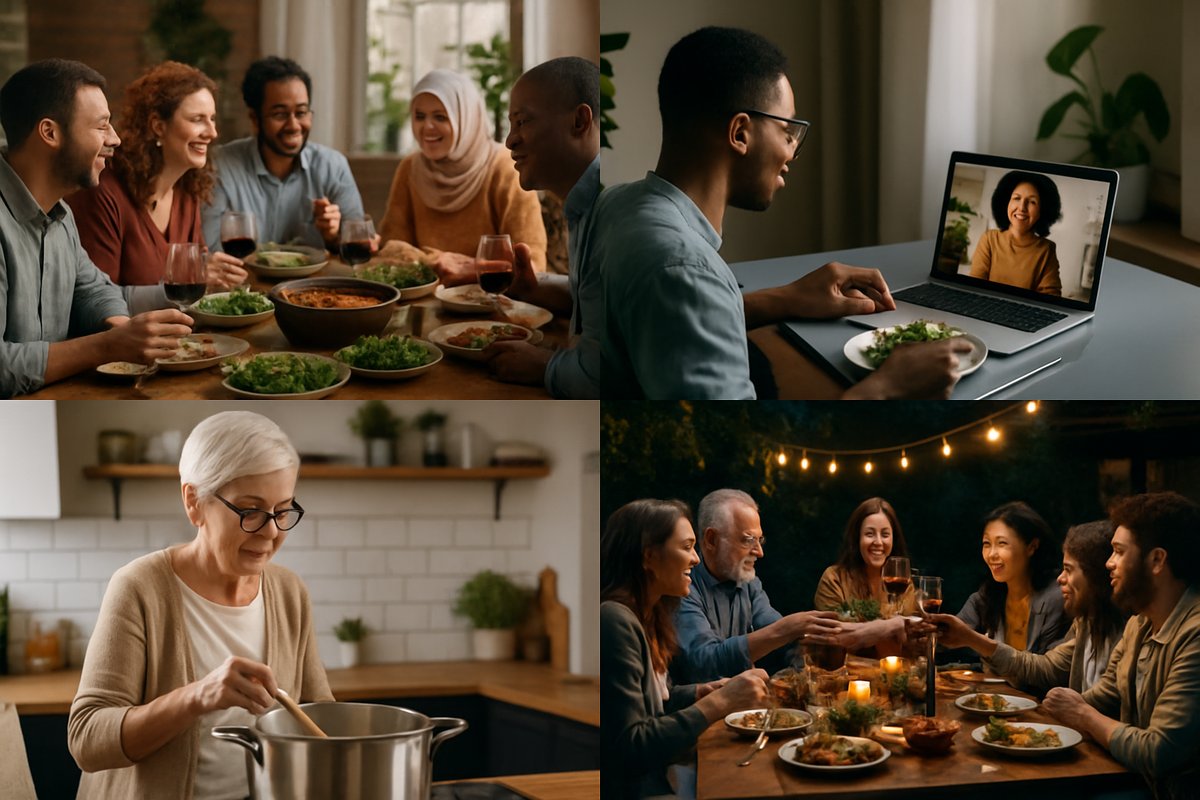
Across neighborhoods and digital landscapes, food is weaving new threads of connection. From grassroots supper clubs to quiet kitchen rituals, people are rediscovering the power of shared meals-and the traditions and innovations that flavor our lives.
In a renovated warehouse on the edge of the city, folding tables stretch beneath strings of lanterns. There, a rotating cast of neighbors-students, retirees, new parents, freelancers-gather around steaming bowls of soup and platters of spiced vegetables. No one pays; instead, each guest is invited to contribute a dish, a story, or simply their attention. This is one of hundreds of emerging supper clubs that are redefining modern hospitality, inviting us to reconsider the act of breaking bread.
For many, the kitchen of our forebears was the beating heart of family life. Yet in recent decades, busy schedules and takeaway apps have turned meals into solitary routines. A food culture built on speed and convenience risks losing the rituals that give flavor to our days. Community-driven dining initiatives are pushing back against this trend, tapping into a collective longing for real human connection.
Across continents, similar experiments are sprouting. In one European town, volunteers source surplus bakery items from local shops and transform them into weekday brunches. In a coastal village in Southeast Asia, elders lead open-air cooking sessions to preserve ancestral techniques for curing fish and blending spices. Even digital communities have their own table: weekly livestreamed cook-alongs, complete with real-time Q&A, allow home cooks from Tokyo to Toronto to learn simultaneously.
At the heart of these movements is a shared principle: food is not just fuel but a vessel of culture and identity. In neighborhoods where newcomers arrive each year, communal meals become a safe space for sharing languages, memories, and recipes. A handful of Syrian grandmothers might teach flat-bread rolling alongside South American families who demonstrate their own corn cake traditions. As forks weave between dishes, so do stories of migration and resilience.
Beyond the goodwill of home cooks, some organizations are formalizing these experiments into lasting social infrastructure. Mobile kitchens on repurposed buses park in underserved areas, offering free community meals prepared with rescued produce. Tiny subsidized cafés in public parks hire local youth to serve up curries, stews, and salads, creating jobs while addressing food insecurity. These projects draw on a growing body of evidence showing that communal dining can improve mental health, foster empathy, and even reduce local waste by encouraging shared ingredients and bulk supplies.
Sustainability underpins many of these initiatives. Farmers’ markets are teaming up with food-waste trackers, using smartphone snapshots to calculate which fruits and vegetables are at risk of being discarded. Excess produce goes straight into large-format skillets for reservation-free neighborhood feasts. This circular approach complements the resurgence of fermentation, root-cellaring, and backyard composting-techniques honed over centuries that are now finding new life among urban gardeners.
Meanwhile, kitchens at home are becoming mini test labs for climate-smart cooking. Plant-forward recipes have long been part of environmental conversations, but a recent survey found that nearly 60 percent of home cooks are experimenting with legumes and whole grains as primary ingredients. Digital thermometers and immersion circulators-once the domain of professional chefs-are now staples on many countertops, enabling perfectly timed braises and stews that coax the deepest flavors from seasonal produce.
Technology is also mapping the future of food heritage. Open-source seed banks allow gardeners and small farmers to exchange heirloom seeds without corporate patent restrictions. Community calendars pop up on local apps, notifying neighbors of grape pressing events, mushroom foraging walks, or backyard basil swaps. In some cities, municipal policies are encouraging edible landscaping along sidewalks, turning urban streets into verdant corridors that connect apartment balconies with neighborhood dining tables.
Yet amid this wave of innovation, the simplest acts remain the most powerful. Inviting a friend over for coffee, learning a relative’s pie crust technique, or passing a bowl of stew at a long wooden table-these rituals remind us that food is a bridge across differences. Anthropologists have long noted that sharing a meal creates a temporary bond of trust, one that can pave the way to broader conversations about identity, values, and community priorities.
Case in point: a summer potluck organized by a local women’s collective drew a diverse crowd. The menu ranged from slow-roasted root vegetables to spiced chickpea salad and a seasonal fruit trifle. But the real feast was the discussion around that table: neighbors discovered overlapping concerns about neighborhood safety, eldercare, and urban gardening. Over leftover rice cakes, they sketched plans for a communal garden and a rotating childcare co-op-all sparked by the initial invitation to eat together.
This revival of communal meals isn’t limited to city centers. Rural areas are embracing farm-stay dinners, where guests pick spinach alongside farmers before rolling up their sleeves to assemble fresh tartines by candlelight. Coastal towns host fish-smoking workshops that double as sunset suppers. And desert communities have introduced dune-camp braais, complete with hand-crafted loaves baked in sand ovens.
Culture and cuisine have always been entwined. Tablescapes reflect migration patterns; flavors reveal climatic adaptations. As global change accelerates, these dining experiments serve as living archives. They help communities remember where they came from, celebrate where they are, and imagine where they might go. By consciously sharing meals, we pass down heritage while inviting innovation.
In the end, the act of preparing and sharing food can shift the way we see the world. A humble bowl of porridge, prepared communally, can spark conversations about food equity. A guest who brings freshly jammed fruit to a block party might inspire a neighbor to start fermenting at home. And a single open-kitchen supper club can ripple out, encouraging dozens of similar gatherings across a city within a year.
Perhaps the most radical idea here is that we don’t need to reinvent the wheel. We only need to remember the age-old truth: that gathering around a table is a simple, powerful antidote to isolation-and a spark for collective creativity. Whether you’re a seasoned home cook or someone who only recently realized that kale can be delicious, there’s a place at the table. The first step is reaching out, extending the invitation, and sharing your version of hospitality.
So next time you slice an onion or whisk a batter, consider who you might share your effort with. Maybe it’s a neighbor who just moved in, a coworker who’s faced a tough week, or an online community waiting for a recipe that reminds them of home. Tag your calendar for the next neighborhood potluck. Offer surplus zucchini at the local seed swap. Or simply set one more plate at dinner and see who shows up.
In kitchens, as in communities, the smallest gestures can ignite the greatest transformations. And at the table of tomorrow, every meal is an opportunity to nourish our bodies, honor our traditions, and strengthen the bonds that shape our world.