Location
Mount Vernon, WA 98274
Location
Mount Vernon, WA 98274

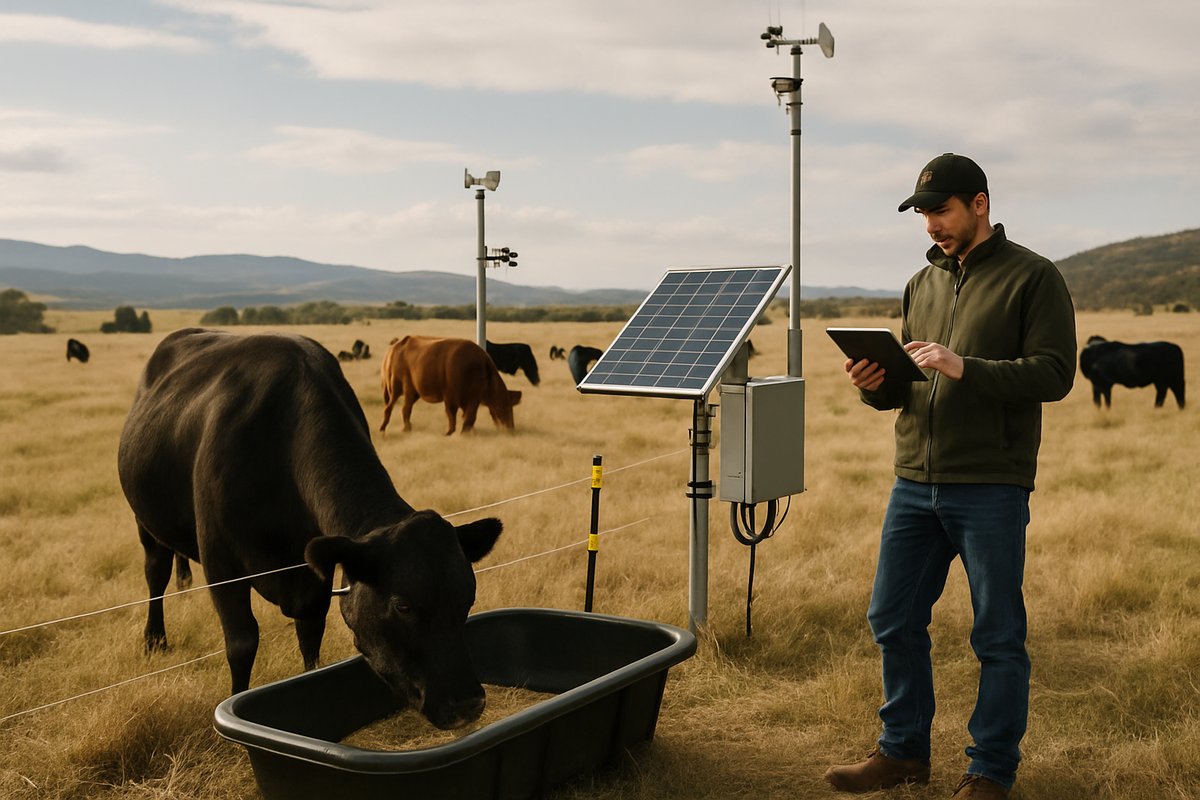
Across remote regions, livestock producers are blending traditional grazing wisdom with emerging technologies to tackle water scarcity, animal health, and environmental impact. From solar-powered fencing to precision feeding routines and digital cooperatives, a new wave of sustainable practices is reshaping rural resilience.
For generations, livestock producers have depended on time-honored grazing patterns and seasonal rhythms to sustain their herds. Today, they face an unprecedented confluence of challenges: erratic weather extremes, mounting pressure to reduce greenhouse gas emissions, tighter water resources, and shifting consumer demands for ethically raised meat and dairy. In response, many ranchers are embracing an unexpected ally in their age-old trade-technology-while embracing local networks to share insights and spread costs.
Across sprawling grasslands and rolling hills, a quiet revolution is taking shape. GPS-enabled collars relay real-time herd locations to mobile apps, helping managers steer cattle away from overgrazed patches and protect sensitive riparian zones. In one cooperative in the American Midwest, farmsteads as far as 50 miles apart share live tracking maps each morning. Collective data reveal grazing trends, pasture recovery rates, and even local predator activity, empowering ranchers to make informed rotation decisions.
This networked approach is not limited to the United States. In parts of southern Europe, community-run grazing associations pool satellite imagery to assess vegetation health. When sensors detect soil moisture dropping below critical thresholds, grazers shift herds to wetter parcels, delaying grassland fatigue and giving depleted fields a chance to rejuvenate. The result: healthier pastures, more nutritious forage, and resilient ecosystems capable of withstanding prolonged dry spells.
Water scarcity is perhaps the most pressing concern. As droughts intensify in regions from Australia’s Outback to sub-Saharan Africa, ranch operators are exploring off-grid pumping systems powered by solar panels and wind turbines. Integrating variable-speed pumps with battery storage, these setups draw from groundwater or remote reservoirs, delivering steady water flow to troughs and tanks even during extended power outages. Solar arrays mounted on rolling trailers follow livestock movements across open ranges, ensuring animals never travel more than a few miles without fresh water.
In tandem with pumping solutions, rainwater catchment and recycling systems are gaining traction. Rooftops, feed sheds, and barn overhangs funnel precipitation into lined ponds and cisterns. At one cooperative farm in New Zealand, a network of gutters and sand filters captures 90 percent of annual rainfall, channeling it through ultraviolet treatment before distribution. Not only does this reduce dependence on aquifers, but it also cuts energy costs tied to deep well extraction.
Animal health protocols are undergoing a parallel transformation. Rather than relying solely on blanket antibiotic treatments, many ranchers now turn to precision feeding regimens bolstered by on-site feed analyzers. These portable devices evaluate protein, fiber, and mineral levels in forages, grain mixes, and pasture samples within minutes. When paired with livestock management software, the data inform tailored supplement plans that address specific nutritional gaps and boost immunity, reducing stress-related illness and trimming feed waste.
Probiotic boluses and phytogenic additives-plant-derived compounds with antimicrobial and anti-inflammatory properties-are supplementing or replacing routine growth promoters. Delivered via smart dispensers at watering stations or mixed into lick tubs, these natural enhancers help stabilize gut flora and improve feed conversion ratios without contributing to antimicrobial resistance. Early adopters report up to a 15 percent gain in weight uniformity and a reduction in digestive disorders, outcomes that resonate with consumers demanding cleaner labels and responsible practices.
Yet the leap into digital farming and biosecurity is not without its hurdles. High-speed internet remains spotty in many rural areas, so some ranchers rely on low-bandwidth networks or satellite connectivity to transmit critical data. Cybersecurity measures are becoming essential, too, as malicious actors exploit vulnerabilities in agricultural networks. Industry associations are stepping in to provide training, open-source encryption tools, and best-practice guidelines-ensuring that the data fueling smarter ranch decisions stays secure and private.
Beyond individual operations, community governance is emerging as a key enabler of innovation. Cooperative purchasing groups negotiate bulk rates on solar panels, fencing materials, animal vaccines, and veterinary teleconsultations. Shared helpline services connect seasoned advisors with newer producers at minimal cost. In one region of eastern Canada, a multi-farm consortium funds a mobile vaccination clinic that travels on a converted school bus, outfitted with cold storage, treatment stalls, and digital record-keeping. Smallholders pay a modest subscription, and everyone benefits from professional oversight of herd health and biosecurity.
The mental and emotional health of rural communities is also under the spotlight. Isolation, market volatility, and extreme weather events can take a toll on producers’ well-being. Recognizing this, non-profit networks are organizing peer-to-peer support circles and on-farm retreats that blend stress-management workshops, mindfulness exercises, and hands-on training in regenerative grazing or compost-based fertilizer production. By integrating mental health check-ins into farm visits and co-op meetings, these programs reduce stigma and foster a culture of mutual care-an investment as vital as any piece of equipment.
Innovation in infrastructure goes hand-in-hand with these human-centered initiatives. Lightweight, portable livestock shelters-constructed from composite panels and modular frames-provide rapid deployment in overgrazed or flood-prone zones. When storms roll through, animals can be guided under mobile shade structures that fold flat for easy transport. Solar-powered LED lighting in barns and handling yards improves safety during early morning or late-evening hours, while smart ventilation systems automatically adjust airflow and humidity, minimizing heat stress in high-temperature regions.
As consumer consciousness around food production rises, traceability has moved from buzzword to baseline expectation. Blockchain-based platforms enable end-to-end tracking of individual animals, recording everything from birth date and pasture location to vaccination records and weight gains. When a retailer or consumer scans a QR code on beef packaging, they access a transparent dossier of sustainable practices and welfare certifications. This level of openness commands premium prices in niche markets and strengthens trust across supply chains.
While some of these technologies were once deemed too costly for small to mid-sized operations, modular financing models have begun to change the calculus. Equipment leases tied to yield improvements, energy savings, or water efficiency allow producers to upgrade without massive upfront capital. Performance-based grants and low-interest loans from agricultural development funds further bolster adoption, especially in communities striving to reduce their environmental footprint.
Ultimately, the future of livestock farming hinges on the symbiosis of local knowledge and technological innovation. No single gadget or software can replace the intuition honed through years of observing herd behavior, soil tests, and weather patterns. But when farmers combine that intuition with precise data streams and community networks, they amplify their ability to adapt, conserve resources, and thrive under shifting conditions.
As this chapter unfolds, ranchers around the globe are rewriting their playbooks. They’re honing grazing plans with satellite guidance, safeguarding water with off-grid solutions, elevating animal health with tailored nutrition, and nurturing resilience through shared expertise. In doing so, they’re not only making livestock systems more sustainable-they’re fostering a rural renaissance defined by creativity, collaboration, and a deep respect for the land that sustains them.