Location
Mount Vernon, WA 98274
Location
Mount Vernon, WA 98274

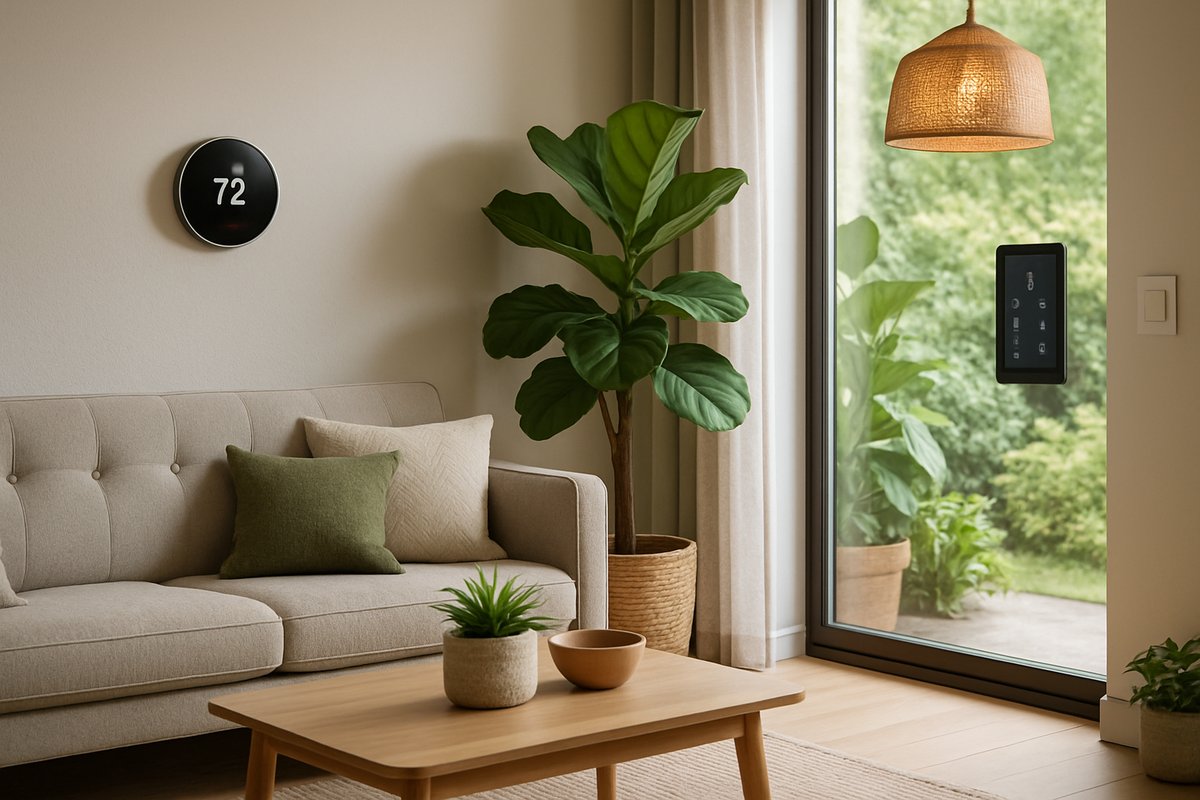
From AI-driven climate control to energy-harvesting lighting and biophilic accents, homeowners are merging comfort with intelligence. Industry data shows a surge in smart upgrades, driven by sustainability goals and the desire for intentional, personalized spaces.
As the home becomes the center of work, leisure, and family life, a quiet revolution is underway. Across cities and suburbs, people are reimagining their living spaces with smart upgrades and cozy essentials that balance automation with human warmth. The smart home market, valued at nearly $100 billion in 2023, is projected to more than double over the next five years. Far from gimmicky gadgets, today’s innovations are designed to enhance daily routines, reduce energy footprints, and cultivate a sense of sanctuary.
Industry analysts point to several converging trends. Sustainability mandates and surging energy costs have driven a wave of investments in intelligent climate control and lighting. Meanwhile, advances in wireless protocols and open standards have broken down barriers between devices, making it easier for newcomers to retrofit older homes with connected sensors. At last winter’s Consumer Technology Expo, dozens of start-ups unveiled AI-powered thermostats, gesture-controlled lighting panels, and modular smart blinds that draw on real-time weather data to optimize comfort and efficiency.
One report from a leading business insights firm indicates that 62 percent of homeowners plan to invest in at least one major smart home upgrade over the next year, with heating, ventilation and air conditioning topping the list. Yet it’s not all about utility savings. Interior designers note rising demand for biophilic accents-living moss walls paired with responsive LED lighting that shifts color and brightness based on natural daylight patterns. These installations use embedded sensors to track humidity, temperature and ambient light, then adjust conditions in real time to maintain plant health and human wellbeing.
In a recently remodeled Brooklyn brownstone, a young family married old-world charm to modern controls. They exposed brick walls and reclaimed wood floors, then added discreet temperature sensors behind plaster moldings. A central control panel tucked into a custom cabinetry niche lets them set separate climate zones for day and night, cutting overall heating use by nearly 20 percent. Voice prompts activate soft amber lighting under stair treads, while motion detectors awaken a gentle glow along hallway banisters. “We wanted tech that fades into the background,” the homeowner explains, “so the house feels warm but also smart enough to take care of us.”
Across the country in suburban Texas, a newly built eco-friendly community advertises “healthy home” amenities. Every residence features low-VOC paints, triple-pane windows with integrated solar coatings, and an energy-harvesting floor tile system that powers sensor-driven bedside lamps. In the master suite, homeowners can fine-tune temperature by touching a glass-panel controller or use a smartphone app to schedule preheated mornings. Common courtyards include smart irrigation that draws on local rainfall forecasts and soil-moisture data. A community manager cites a 30 percent reduction in water use compared to nearby developments.
But smart living isn’t just the domain of new builds. Aging-in-place technologies-fall detection sensors, voice-activated lighting presets, and automated pill dispensers-are empowering older adults to stay at home longer. One pilot program in a midwestern city equipped modest bungalows with smart door locks that recognize caregivers and family members. Falls triggered an automatic safety light sequence along hallways, while a central hub alerted loved ones via text. Local health authorities reported fewer emergency calls and improved resident satisfaction.
Behind the scenes, interoperability has been a persistent hurdle. Many early adopters juggled multiple vendor apps to control cameras, thermostats, doorbells and speakers. A breakthrough came last year with the rollout of an open standard that dozens of major manufacturers now support. Early data suggests install times have dropped by half and user-reported crashes declined by nearly a third. Experts predict that as more devices become “matter-ready,” the average homeowner will spend less time troubleshooting and more time enjoying seamless scenes-like a morning routine that simultaneously raises window shades, preheats coffee and enlists a guided stretch sequence from a voice assistant.
Customer-focused platforms are also leaning into modular upgrades. Rather than requiring full rewiring, homeowners can snap in wireless temperature and humidity modules that link to plug-and-play controllers. Retrofit kits for motorized blinds and drapery tracks can be installed in less than an hour, without a ladder. And for those craving tactile comfort, manufacturers are weaving NFC chips into smart textiles-think a weighted blanket that can warm to the ideal therapeutic temperature or a sofa cushion that monitors sitting posture and alerts you when it’s time to stretch.
As these technologies mature, designers stress the importance of intentional choices. A single new gadget can easily disrupt an aesthetic flow. To avoid a mismatched “tech bazaar” effect, many are hiring specialized smart-home designers who focus on invisible integration. They recommend putting key controls in legacy switch throats or behind dimmer faces, and hiding wiring behind custom millwork. Finishes now come in wood grain and plaster textures, with sensor lenses and camera apertures color-matched to surrounding surfaces.
Emotional resonance plays a role too. Simple additions-a set of cloth-covered speakers, a photo-frame-style smart display that cycles family snapshots-help humanize the technology. In many homes, a voice-activated diffuser releases essential oils on command or follows a weekly schedule. Paired with gentle acoustic panels that double as art, these small elements create a multisensory cocoon.
For the DIY crowd, community makerspaces now host “smart home hackathons.” Participants team up to develop motion-triggered planter systems or build open-source dashboards for energy analytics. One weekend event produced a solar-powered garden monitor that tweets soil-moisture alerts to a channel where neighbors volunteer to water each other’s flora during vacations. These grassroots innovations are feeding back into commercial roadmaps, as companies realize the value of co-creating with enthusiasts who push devices into uncharted territory.
Looking ahead, experts expect further fusion of wellness monitoring with environmental controls. Biometric wristbands may one day signal HVAC systems to adjust ventilation based on real-time stress levels. Or adaptive lighting could sync with circadian rhythms using biometric data from sleep-tracking apps. While privacy advocates caution against unchecked data collection, many developers are embedding local quorums and on-device processing to ensure personal information never leaves the home network.
In practical terms, a successful smart living overhaul starts with three steps: define priorities, audit existing infrastructure and select a core hub. Homeowners are urged to identify the room or routine where they most desire improvement-be it a living room that stays too hot in summer or a bedroom that struggles to hit “comfortably cool.” Next, a simple assessment of Wi-Fi and power outlets can reveal retrofit challenges. Finally, picking a single control ecosystem helps avoid the sprawl of multiple accounts and passwords.
Beyond the tech, cozy essentials remain critical. A curated set of throw pillows, plush accent rugs, blackout window panels and a sculptural bookshelf help anchor the digital components in a tactile environment. The goal is to craft intentional moments: winding down under a climate-controlled ceiling panel, streaming soft rain sounds through fabric-wrapped speakers, drifting off on a memory-foam mattress cooled by an integrated bed pad.
As smart upgrades proliferate, the next frontier may be community-wide automation. Imagine neighborhood microgrids that harmonize rooftop solar panels and battery arrays, or streetlights that dim when no cars are detected. These collective projects promise to amplify individual home improvements by weaving them into an intelligent urban fabric.
Whether you’re renovating a century-old bungalow or moving into a turnkey apartment, the home improvement landscape is shifting. Smart living is no longer about flash-in-the-pan novelties. It’s about weaving automation and comfort into a coherent, sustainable design. With thoughtful planning and the right ecosystem, homeowners can create spaces that feel alive to their rhythms-responsive enough to adapt, resilient enough to last, and cozy enough to call truly home.