Location
Mount Vernon, WA 98274
Location
Mount Vernon, WA 98274

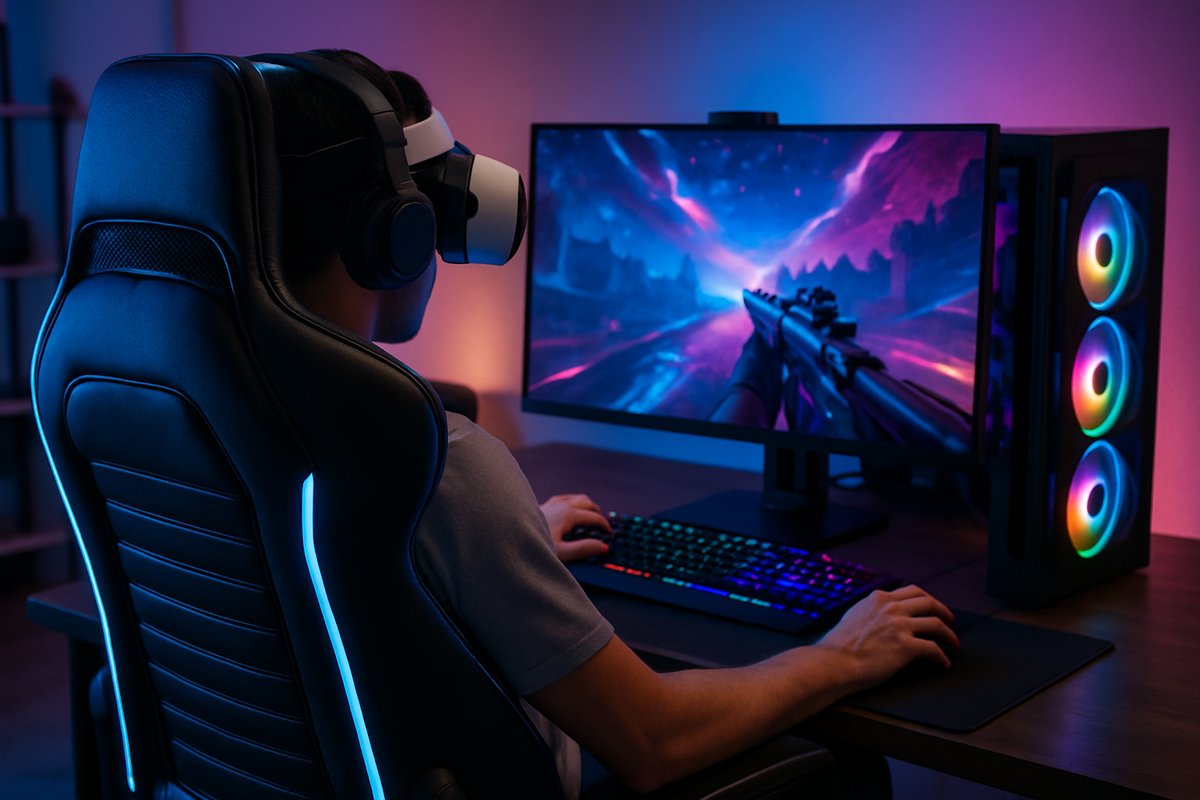
As gaming evolves into a fully immersive lifestyle, players are investing in gear that blurs the line between virtual and reality. From haptic feedback chairs to high-refresh monitors, discover how the latest hardware innovations are fueling focus, fostering community and redefining entertainment.
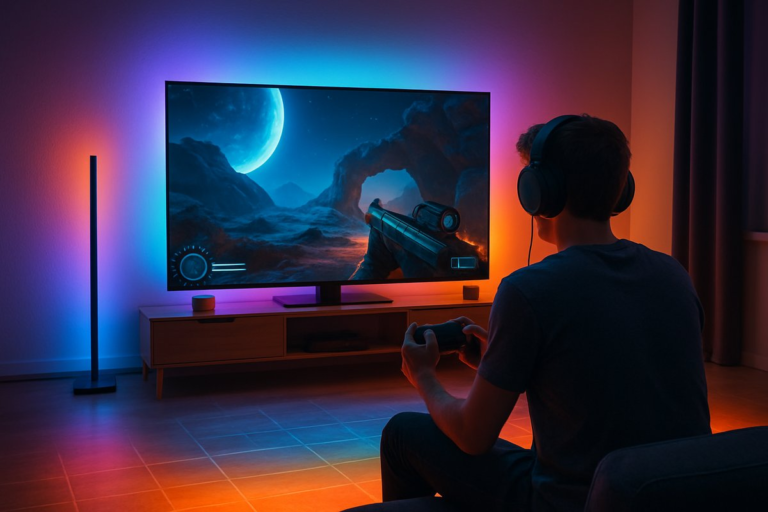
In an era where pixels and passion collide, the modern gamer treats every session as a crafted ritual. No longer content with basic peripherals, enthusiasts are embracing setups that transform a corner of their home into an interactive command center. Whether conquering vast open worlds or broadcasting epic boss fights to an audience, every piece of equipment plays a role in maintaining immersion and performance. This shift is driven by a simple insight: play is serious business.
Over the past few years, the gaming landscape has burst wide open. Blockbuster franchises compete alongside indie marvels, virtual reality experiences stand shoulder to shoulder with classic controller-driven quests, and cloud streaming services promise high-end performance on modest machines. This diversity has spurred hardware makers and DIY tinkerers alike to develop solutions that cater to every style of player. The result is a thriving ecosystem of customizable keyboards, modular desks, and precision mice-all designed to deliver responsiveness and reliability when the stakes are highest.
One of the most talked-about innovations is haptic feedback technology. Advanced controllers and chairs now incorporate subtle vibrations and pressure zones that simulate gun recoil, engine rumble or the crunch of snow underfoot. Players report that these tactile cues heighten immersion and even improve in-game timing by engaging more senses. Combined with ultra-wide monitors that curve around the field of view and 240-hz refresh rates, the in-game action feels as visceral as a ride in a simulator, making every decision feel weighty and real.
Streaming culture has also driven a revolution in lighting and audio design. Gone are the days of overhead bulbs and tinny speakers. Today’s content creators rely on controllable LED panels and addressable RGB strips that cast soft, uniform light without glare. High-fidelity microphones with noise-cancelling features ensure that every comment and reaction comes through crystal clear. These upgrades aren’t just for professional broadcasters-anyone who hosts virtual game nights or records tutorials can benefit from an environment that looks and sounds polished, reducing viewer fatigue and setting the scene for hours of uninterrupted fun.
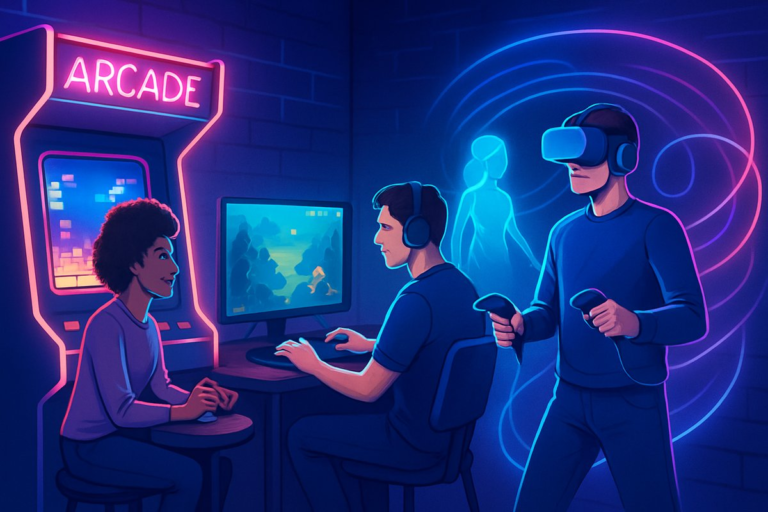
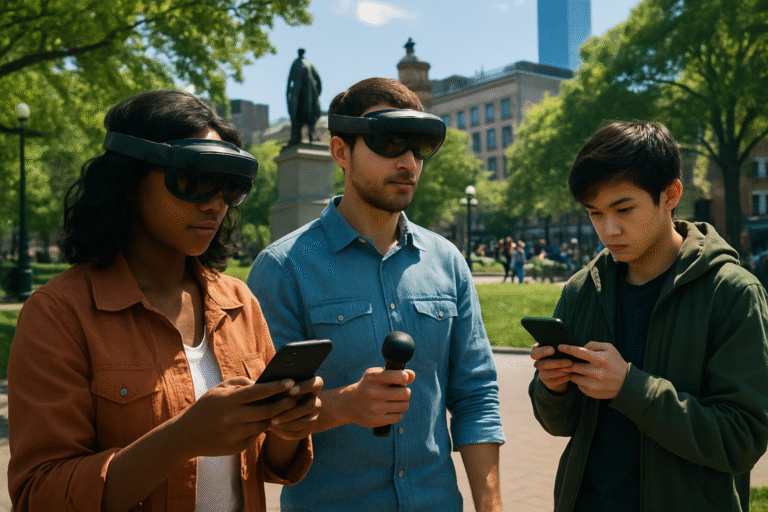
Meanwhile, virtual reality continues its march into the mainstream. Next-generation headsets boast higher resolutions and wider fields of view, while inside-out tracking eliminates bulky sensor setups. Augmented reality overlays promise to merge gaming with real-world spaces, projecting digital opponents onto your living room floor. Developers are experimenting with full-body tracking suits and omnidirectional treadmills that let players walk, dodge and dance through virtual arenas. Though still a niche, these immersive solutions hint at a future where your physical movements become as important as on-screen strategy.
Sustained gaming sessions can take a physical toll, and the industry is responding with ergonomic furniture and input devices designed to reduce fatigue. Adjustable chairs with lumbar support and breathable mesh upholstery encourage better posture, while split mechanical keyboards and contoured mice keep wrists in a natural position. Customizable key switches allow users to fine-tune actuation force, balancing speed and comfort. These thoughtful designs aren’t just about preventing aches-they help maintain peak reaction times and mental clarity, especially during high-pressure matches.
Community remains at the heart of gaming’s appeal. Platforms dedicated to voice chat, cooperative play and competitive leagues have grown into social hubs where friendships form and rivalries ignite. Hardware choices reflect these social dynamics: multi-port USB hubs let players connect extra headsets and controllers for spontaneous couch co-op, while network switches ensure low-latency connections for local tournaments. Even decorative elements-like themed desk mats or collectible figurines-serve as conversation starters, reinforcing a shared sense of identity among team members and spectators alike.
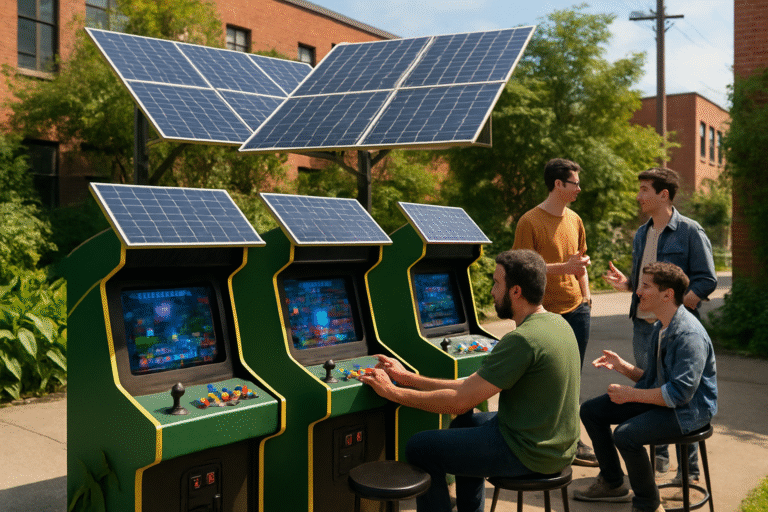
Sustainability is emerging as another priority. As environmental awareness climbs, gamers are seeking gear that’s built to last or can be easily repaired and upgraded. Modular desks with interchangeable surfaces, keyboards with hot-swappable switches, and mice with replaceable cables all reduce e-waste and save money over the long term. Some manufacturers are even introducing take-back programs for recycled components, signaling a shift toward more responsible production and consumption in the gaming world.
So how can players elevate their own setups? Start by identifying your primary goals: Are you an aspiring streamer who needs crisp audio and flattering lighting? A competitive player chasing every millisecond of response time? Or someone who values extended marathons without aches and dips in focus? From there, prioritize modular solutions that let you grow step by step. A sturdy desk with cable management channels simplifies upgrades, while a desktop stand for monitors keeps your posture aligned and your peripherals within reach. Investing in a mid-range mechanical keyboard and a well-designed headset will pay dividends in both comfort and consistency.
As the boundaries between gaming and reality continue to blur, the tools we choose become an extension of our playstyle and personality. Whether you’re exploring alien ruins, leading a guild to victory, or sharing electrifying highlights with viewers around the globe, the right setup transforms every moment. In a world where immersion, performance and community converge, leveling up your gear is more than a hobby-it’s the foundation for the next generation of interactive storytelling.