Location
Mount Vernon, WA 98274
Location
Mount Vernon, WA 98274

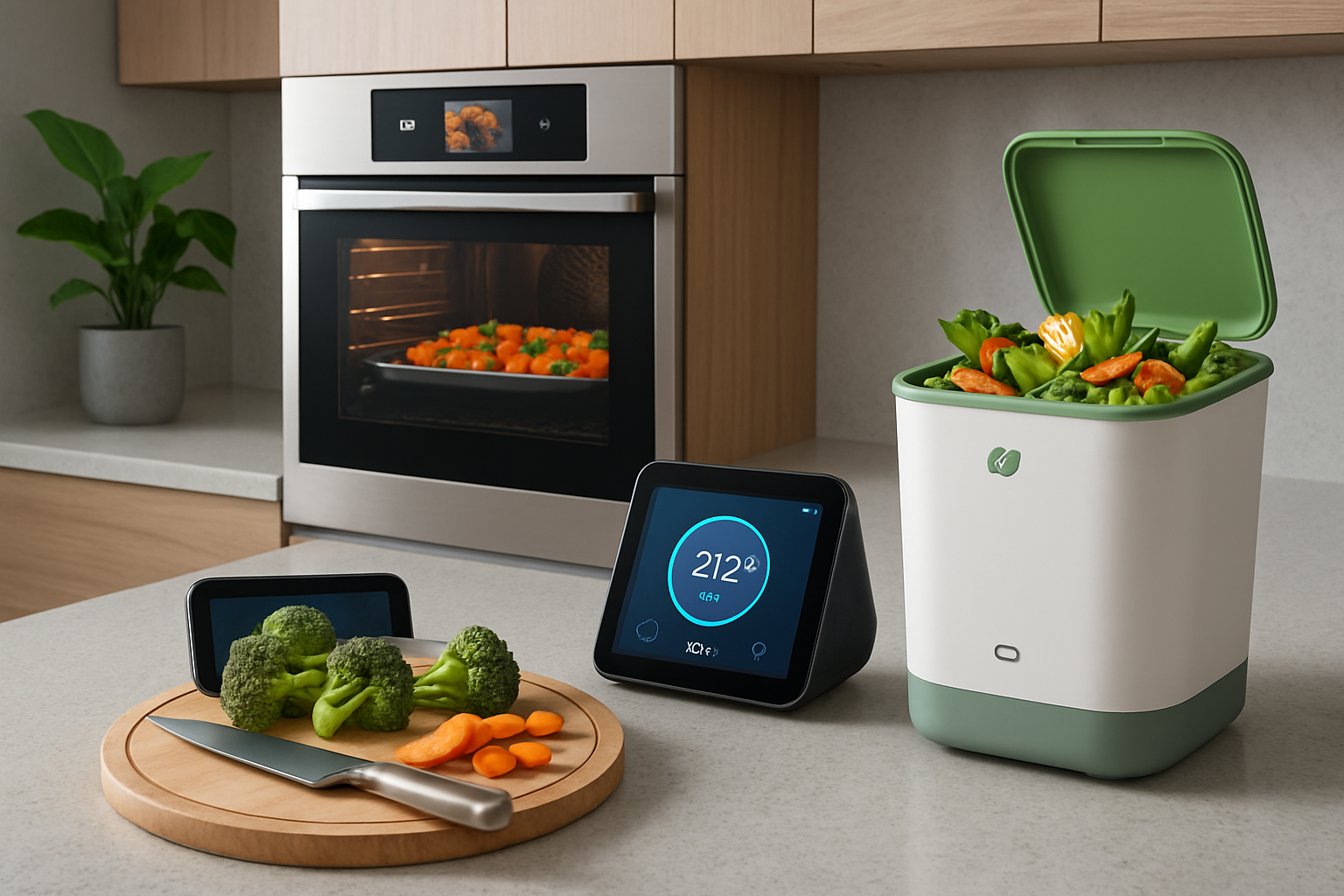
From AI-driven ovens to sensor-laden compost bins, the kitchen of tomorrow is already taking shape. Advances in connected devices, real-time analytics, and sustainable design are converging to transform cooking into a data-rich, waste-slashing, flavor-amplifying experience.
Home cooks are no longer wielding spatulas in a vacuum. In kitchens around the globe, sleek countertop gadgets, app-linked appliances, and sensor networks are teaming up to reimagine the very act of cooking. What once felt like a messy tangle of pots, pans, and sticky countertops is morphing into a living ecosystem of smart trays, precision scales, self-calibrating ovens, and even compost monitors. As we race toward a future where every meal becomes an opportunity for insight, convenience, and environmental stewardship, the question isn’t if your kitchen will get smarter-it’s how fast it can learn.
Emerging technology in the home kitchen now blends time-saving automation with deep data feedback. Take the new breed of smart ovens that scan the surface color of a steak via built-in optical sensors, automatically adjusting cook time down to the second. Or a countertop fermentation sensor that tracks temperature, pH, and humidity inside your homemade kimchi crock, sending push alerts when it reaches peak tang. These innovations have moved beyond niche luxury to everyday must-haves for curious cooks, workout enthusiasts, and sustainability-minded families alike.
Driving this change is a convergence of three forces. First, the proliferation of low-cost sensors and microcontrollers means any device can measure temperature, weight, moisture, or gas composition. Second, advances in edge-computing and on-device machine learning enable instant decisions without sacrificing privacy or requiring a nonstop internet connection. Third, mounting concerns about food waste, health, and supply-chain transparency are pushing homeowners to demand data-driven accountability from their appliances.
Consider food waste: according to recent studies, the average household throws away nearly one pound of edible food per day, contributing to a staggering 30 percent of all landfill volume. Smart weight sensors in pantries and fridge bins can tally discarded produce in real time, charting trends and nudging buyers away from overstocking. When paired with recipe-planning apps, these systems can suggest creative ways to repurpose carrot greens or half-used squash before they end up in the trash.
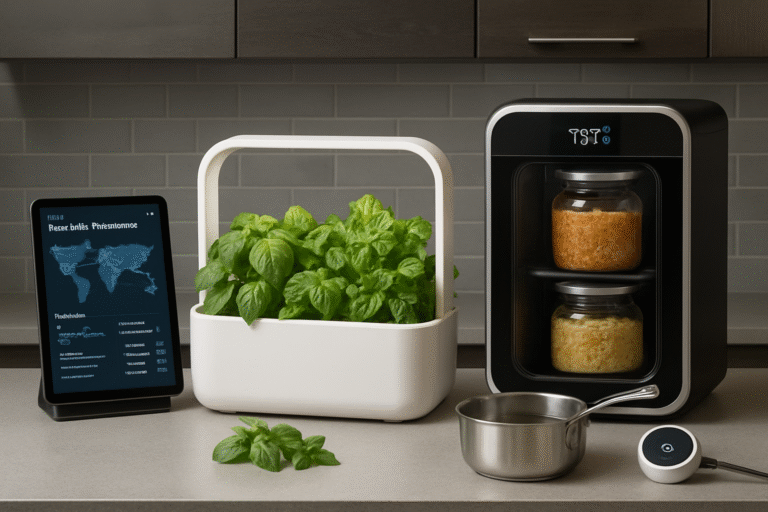
In the same vein, smart herb gardens are flourishing on windowsills. These indoor, hydroponic modules come equipped with light spectra tuners, water-level monitors, and nutrient-dispensing routines that adjust automatically based on plant performance. Instead of guessing when to mist basil or rosemary, users get push notifications and growing tips, reducing reliance on store-bought herbs that often spoil midweek. Fresh micro-greens add both flavor and a nutrient punch to salads, sandwiches, and smoothies.
Robotics is making an entry as well. Prototype pancake-flipping drones and stir-reinforcing arms are still on early Kickstarter pages, but the first commercial countertop robots already handle repetitive tasks like whisking custards and kneading dough. Imagine programming one device to preheat to the perfect steam-bath setting while another layers fat-trimmed slices of eggplant onto a mandoline, all in harmony. As modular attachment systems become standardized, add-on tools for garlic mincing, spiral cutting, or oil spritzing will slot onto robotic bases like phone cases.
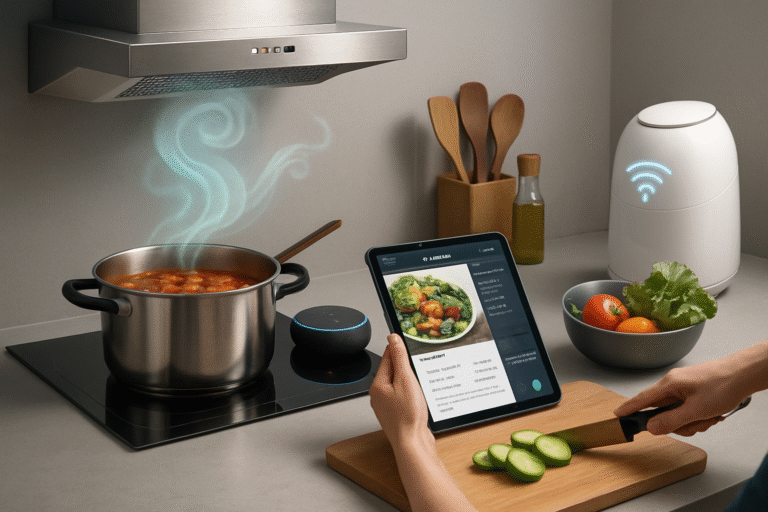
Energy efficiency is also getting an upgrade. Induction cooktops paired with machine-vision cameras can detect an empty burner in milliseconds, automatically dropping power to standby until a pot enters its field of view. When cooking is complete, integrated airflow sensors kick in to evacuate residual heat and cooking odors, saving on ventilation costs and extending appliance lifespans. In multifamily buildings, these connected stoves can even optimize power demand, trimming utility spikes during evening mealtimes by communicating peak-load schedules to the grid.
For bakers, one of the biggest headaches has long been keeping a cool, constant environment for proofing dough. New smart proofing drawers solve this by circulating precisely controlled humid air, then logging humidity and temperature data to an app. Forgotten dough left overnight doesn’t surprise you with overproofed collapse; instead, you get a summary the next morning along with adaptive timing adjustments for your next loaf.
Nutrition tracking is moving into cookware itself. Companies are embedding spectral analyzers in ladles and teaspoons to estimate calorie and macronutrient content in soups, sauces, and dressings. Though not yet as precise as a lab test, these measurements help home cooks tweak seasoning, oil, or portion sizes on the fly, supporting dietary goals without manual calorie-counting apps.
Behind the scenes, interoperability remains the biggest hurdle. Proprietary communication protocols often lock devices into walled gardens, forcing users to juggle multiple apps. A growing coalition of open-source projects aims to standardize IoT messaging for kitchen appliances, paving the way for seamless meal planning, inventory updates, and sustainability metrics under a single dashboard.
Early adopters report that the data deluge can feel overwhelming at first. But most find that once they set minimum and maximum thresholds-for example, moisture levels for stored grains or ideal fermentation pH ranges-they can rely on automated alerts rather than constant monitoring. The transition from reactive to proactive cooking builds confidence, reduces food waste, and can even lower grocery bills by as much as 15 percent.
Privacy advocates caution against unguarded data collection. Kitchen devices often brim with sensitive information: health data from nutrition trackers, shopping habits inferred from pantry inventories, and even voice recordings from recipe assistants. Buyers should look for appliances with local-first processing, clear data-deletion policies, and the option to opt out of cloud backups.
Accessibility is another consideration. Voice-activated mixers and ovens with large tactile interfaces can help visually impaired home chefs maintain independence. Likewise, multilingual recipe assistants break down language barriers for new audiences. When technology focuses on building emotional intelligence alongside technical prowess, kitchens become more inclusive spaces.
What does the cooking lab of 2030 look like? Imagine an ecosystem that predicts your next meal based on past preferences, dietary goals, and what’s about to spoil in your refrigerator. A central hub aggregates food-scarcity alerts from regional grocers, recommends community-supported agriculture pickups, and orchestrates timed deliveries of fresh produce. As you walk in the door, dedicated storage modules automatically refresh their internal climate to match the handed-down recipes whispering through your smart speaker.
The kitchen table itself may evolve into a dynamic interface, projecting virtual ingredient lists onto placemats or displaying step-by-step holographic demonstrations of folding techniques, blowing new life into century-old cookbooks. Senses beyond sight and touch could enter the mix-smell-emitting diffusers that mimic spice aromas when you select a recipe, or haptic feedback surfaces that teach knife skills through subtle vibrations.
Whether you’re a busy parent managing seven meals a week or a culinary explorer testing regional fermentation traditions, tomorrow’s kitchen tools promise to be your collaborator rather than a black box. By blending sustainability, emotional intelligence, and real-time analytics, they free us to focus on the human side of cooking: creativity, connection, and the pure joy of tasting a meal well made.