Location
Mount Vernon, WA 98274
Location
Mount Vernon, WA 98274


Couples today are reshaping marriage by weaving emotional insight, conflict repair rituals, shared growth projects, renewed vows, and balanced parenting roles into their everyday lives. This cultural shift prioritizes curiosity, mutual support, and practical tools that help partners stay connected over the long haul.
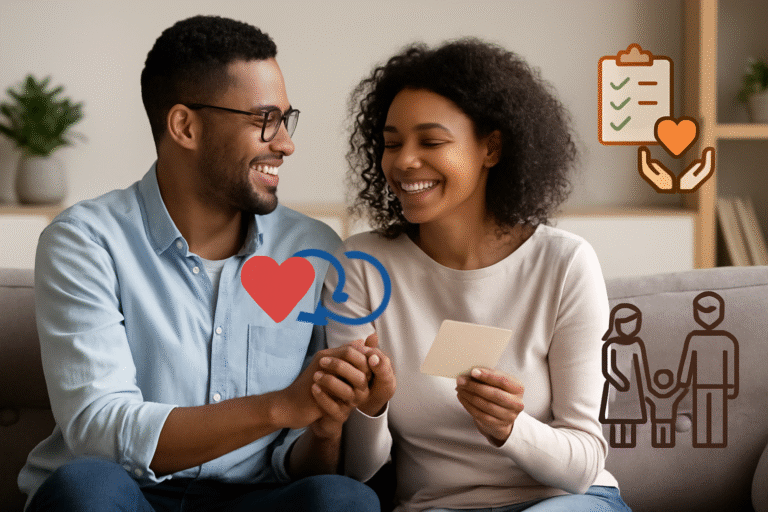
In living rooms and workshops across the country, a quiet revolution is taking place. Modern couples are moving beyond traditional wedding ceremonies and milestone celebrations to build marriages that evolve day by day. They’re embracing emotional intelligence as a core skill, establishing intentional conflict‐repair practices, nurturing shared growth through joint projects, crafting personalized vows that reflect evolving values, and redesigning parenting roles to create a true partnership. This new framework acknowledges that marriage isn’t a static state but an ongoing process of learning, repairing, and growing together.
Emotional intelligence has emerged as the bedrock of this approach. A recent study by the American Psychological Association found that partners who practice self‐awareness and empathy report higher relationship satisfaction and fewer hostile interactions. Instead of seeing emotions as unpredictable obstacles, these couples learn to label and share feelings early-turning a moment of frustration into an opportunity for understanding. By noticing triggers, reflecting inwardly, and expressing needs in gentle, specific terms, partners cultivate an atmosphere of psychological safety that deepens trust and connection.
Putting emotional intelligence into practice means adopting simple yet powerful strategies. Active listening-where one partner repeats back what they’ve heard without judgment-helps dial down defensiveness and confirms that each person feels seen. Empathy exercises, like “feeling mapping,” encourage partners to track shifts in mood throughout the day and share them at set check‐in times. Some couples use brief mindfulness pauses before difficult conversations, giving each other a chance to breathe, center themselves, and approach the discussion with curiosity rather than anger.
When emotions do ignite a heated exchange, conflict‐repair rituals are ready to restore harmony. Drawing on decades of relationship research, partners develop personalized “emergency kits” of gestures: a hand squeeze under the table, a code word that signals a needed break, or a shared breathing exercise. Repair attempts-such as gentle humor, an apology that names the precise harm, or a surprise cup of tea-work against the natural drift toward negativity. Couples report that having these rituals in place prevents arguments from escalating and fortifies their bond over time.
Take the case of a pair who discovered that whenever they argued about household chores, their words spiraled into rehashing old grievances. They created a ritual they call “pause and playlist”: at the first sign of tension, they hit pause, choose a calming song, and dance for two minutes in the kitchen. When the music ends, they return to the conversation refreshed and more open. This quirky ritual has turned potential stand‐offs into moments of connection, reminding them of the spark that drew them together in the first place.
Shared growth extends beyond conflict repair to the pursuit of goals as a team. Many couples now set quarterly “adventure objectives”-deliberate challenges like learning a new language, training for a half‐marathon, or tackling a joint creative project. These ventures provide fresh contexts for communication, problem solving, and celebration. According to a survey published in a relationship journal, couples who invest in shared learning experiences report a 20% increase in overall happiness compared with those who focus solely on individual pursuits.
Workshops and retreats catering to this trend have sprouted up in cities and remote retreats alike. From cooking intensives that teach partners new kitchen skills to wilderness survival weekends that demand mutual reliance, these programs help couples break out of rut patterns and discover untapped strengths. Back home, couples often turn a corner of their living room into a “growth lab,” with vision boards, project trackers, and inspiring quotes that keep their joint ambitions front and center.
Values & vows are also undergoing a renaissance. Instead of reciting generic phrases written centuries ago, partners co‐write personalized vows that reflect the evolving contours of their relationship. Some even hold vow renewal ceremonies every few years, weaving in lessons learned and fresh promises. One couple replaced the word “always” with “in this moment” to honor the fluid nature of their commitment. Another exchanged handwritten letters in a private ceremony under a favorite tree in their backyard-an act that helped them reconnect with their core values away from the public eye.
Parenting partnership is the final piece of this modern mosaic. As more couples embrace dual‐career households and flexible schedules, they recognize that equitable parenting demands clear communication and shared responsibility. Partners map out weekly childcare duties, designate solo “recharge nights,” and convene regular family meetings to adjust roles as children grow. Studies show that when both parents feel equally involved and supported, children benefit from more consistent routines, emotional stability, and role modeling of respectful teamwork.
One family organizer whiteboard has become a staple in many homes: a magnetized board mounted in the kitchen listing meal plans, school drop‐off times, work shifts, and self‐care slots. By visualizing the week ahead, partners avoid last‐minute scrambles and reduce tension when schedules inevitably collide. Digital parenting apps with joint calendars and shared task lists serve as a virtual extension of this practice-ensuring no birthday party or doctor’s appointment goes unnoticed.
What unites these five pillars-emotional intelligence, conflict repair, shared growth, personalized vows, and parenting partnership-is a commitment to continuous adaptation. Couples intentionally weave these elements into daily life, experimenting with what works and letting go of what doesn’t. They build a culture of curiosity, where setbacks become data points for learning rather than proof of incompatibility.
As more relationships adopt this dynamic framework, cultural expectations of marriage are shifting. Weddings and anniversaries remain meaningful, but they are just moments in a larger journey of co‐creation. Partners who invest in emotional insight and collaborative rituals report a deeper sense of intimacy, a stronger buffer against life’s stresses, and a more sustainable path forward. By treating marriage as a living, evolving practice, couples are forging connections that thrive not in spite of conflict, but because they’ve learned to embrace it as a catalyst for growth.
In a world where change is the only constant, this fresh approach to partnership offers a blueprint for resilience. Couples who cultivate empathy, master repair rituals, pursue shared ambitions, renew their promises on their own terms, and balance parenting duties discover that marriage can be both a refuge and a launchpad. And perhaps most importantly, they remind us that love isn’t just about finding the right person-it’s about building the right relationship, day by day.