Location
Mount Vernon, WA 98274
Location
Mount Vernon, WA 98274

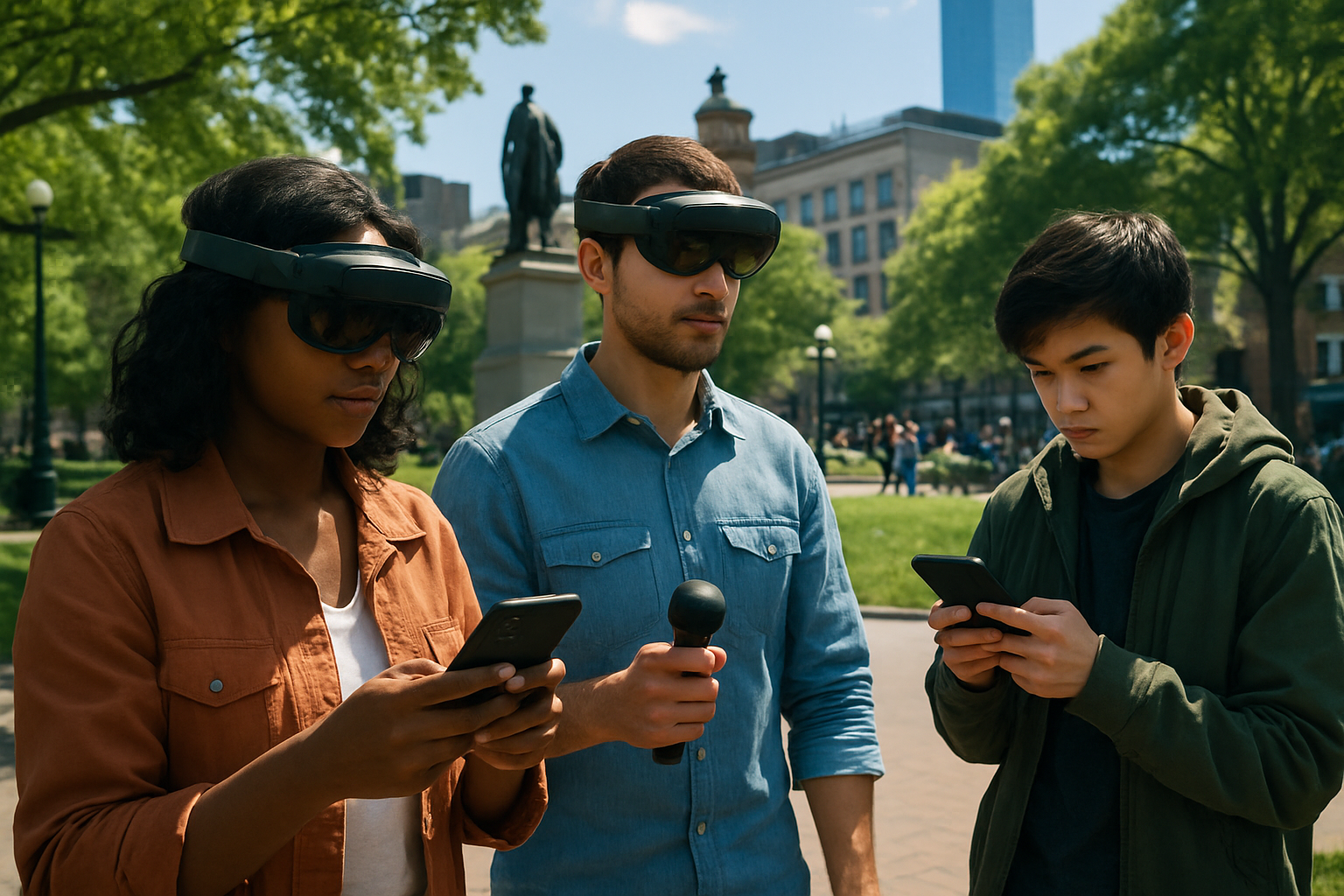
Across plazas and parks, players are donning smartphones and AR headsets to embark on epic quests woven into real-world backdrops. A new wave of community-crafted, location-based games is reviving local blocks with immersive storytelling, sustainable tech, and economic boosts for participating neighborhoods.
Just as dusk settles over the city square, a dozen participants raise their smartphones and peer through screens that overlay mythical creatures against graffiti-lined walls. Holographic runes pulse at the base of a fountain. A virtual guide urges the group to solve a storyboard riddle hidden beneath a statue. Moments later, players scatter in small teams, racing toward hidden markers and sharing clues through in-app voice chat. This is no flash mob or guerilla theater; it’s the opening scene of a location-based augmented reality game designed by neighborhood artists and independent developers.
Location-based AR gaming exploded several years ago when mobile titles demonstrated the potential for blending digital fiction with real-world exploration. But today’s urban questscapes are far more dynamic. Developers can deploy live events in hours rather than months. Community creators contribute plot twists on the fly. Local businesses sponsor virtual waypoints that reward players with discounts, and cultural landmarks become chapters in ever-evolving narratives. The result is a layered form of entertainment where pixels and pavement merge, forging a new kind of city living.
The latest platforms democratize AR design with low-code editors and cloud-based content hosting. Anyone with basic scripting skills can author a mini-campaign tied to GPS coordinates. Real-time analytics track player progress, letting storytellers tune difficulties or drop surprise missions when engagement dips. Voice-driven NPCs converse through spatial audio, blurring the line between virtual characters and passersby. These tools have transformed enthusiasts into micro-studios, unleashing an outpouring of bite-sized experiences that pulse through the veins of city blocks.
One pioneering network of independent creators recently launched its toolkit at a major tech summit, inviting attendees to co-design quests that unfolded in surrounding streets. Within days, urban explorers encountered coded graffiti, collaborated on cryptic puzzles projected onto building facades, and unlocked digital murals through collective social challenges. The platform’s modular approach ensured the event could scale from a dozen participants to hundreds without compromising performance or server stability.
Beyond immersive thrills, location-based games are generating tangible economic benefits for host districts. A recent report by an AR analytics firm found that participating storefronts saw foot traffic rise by up to 25 percent during multi-week campaigns. Cafés and bookstores that sponsored waypoints reported a 15-percent uptick in incidental purchases. By turning neutral storefronts into interactive portals, AR quests encourage players to pause, browse, and connect with neighborhood vendors.
A pilot program in an arts district revealed how strategic collaboration can transform an entire corridor. Street artists painted augmented-reality murals that came alive when viewed through AR glasses, revealing hidden animations and backstory audio. As word spread online, pedestrian counts doubled on weekends, benefiting local pop-up markets and galleries. Organizers estimate the initiative injected six figures in incremental revenue over three months, a boon for independent merchants.
At the heart of these urban adventures lies a social alchemy. Players from diverse backgrounds converge around shared objectives, exchanging tips on puzzle solutions or cheering each other on when a tricky riddle is cracked. Strangers become teammates, bridging generational and cultural divides in a shared digital theater. Local schools have even integrated AR quests into history lessons, fostering curiosity about landmarks that might otherwise be overlooked.
Sustainability is also woven into the fabric of modern location-based gaming. Lightweight wearable AR glasses consume minimal power, and geolocated beacon devices operate on solar-charged cells. Event organizers increasingly choose open-source frameworks to ensure devices can be repurposed for community art projects or environmental sensors after a campaign ends. This ethos of reuse and energy efficiency aligns with broader efforts to reduce the carbon footprint of digital entertainment.
Of course, new forms of play come with concerns around privacy and safety. Planners must respect personal data regulations and provide clear opt-in consent for location tracking. Geofencing prevents events from spilling into restricted areas, and moderators monitor in-game chat to discourage harassment. Dedicated safety marshals patrolled high-traffic zones during recent citywide AR festivals, ensuring participants remained aware of real-world hazards like traffic and uneven pavement.
From a technical standpoint, delivering latency-free overlays across dozens of players demands robust edge computing. Developers are increasingly using distributed cloud nodes to push content closer to devices, reducing lag from global server farms. Meanwhile, cross-platform compatibility between smartphones, tablets, and AR glasses requires standardized APIs. Open standards initiatives aim to unify rendering pipelines so creators can craft one asset pack and deploy it seamlessly across hardware models.
Despite these advances, challenges remain. Players on older devices may experience stuttering animations or slower map updates, fracturing the collective experience. Network congestion during peak hours can trigger content dropouts, and urban canyons sometimes disrupt GPS signals, sending participants on detours. Developers are exploring hybrid positioning systems that merge Wi-Fi triangulation and visual landmarks recognition to keep virtual waypoints anchored accurately.
Designers also emphasize the importance of accessibility. Quests must consider players with mobility constraints or visual impairments. Some creators are embedding audio-only clues that guide blind or low-vision participants through safe, immersive routes. Others map wheelchair-accessible paths and signal these options within the app interface. In doing so, location-based games become more than a novelty-they evolve into inclusive platforms that invite everyone to join the story.
Looking ahead, the line between AR gaming and living infrastructure will only blur further. Wearable haptic devices promise tactile feedback when virtual objects are touched. Biometric sensors could adapt difficulty levels or narrative beats based on player heart rate and engagement. Cross-city alliances may spawn global treasure hunts, with players relaying clues from Tokyo to Toronto in real time. And as 5G networks proliferate, ultra-low latency could enable truly synchronized spectacles, casting living holograms across public plazas.
Collaborations between urban planners, cultural institutions, and indie creators are forging regulatory frameworks that ensure AR quests serve community goals rather than corporate interests. Public-private partnerships are mapping points of cultural significance and safeguarding sensitive areas from unmoderated events. These agreements aim to preserve public space while opening new channels for storytelling, tourism, and local pride.
Meanwhile, grassroots toolkits continue to empower freelance designers to launch pop-up experiences in minutes. Open libraries of 3D assets, interactive scripts, and location templates make it possible for a solo creator to deploy a weekend-long mystery trail or a day of puzzle hunts without a large budget. This decentralized model fosters a renaissance of urban play, where imagination can flow as freely as foot traffic.
As night falls once more over the city streets, players will return to their home districts with stories of dragon dungeons beneath fountains and graffiti-guarded portals in back alleys. Neighbors will discuss the riddles they solved, local merchants will tally the evening’s sales, and event organizers will pore over analytics to plan next weekend’s live twist. In this new era of location-based AR, the boundaries between game and street, narrative and neighborhood, creator and community have dissolved into a seamless questscape – one where every passerby can join the unfolding adventure.