Location
Mount Vernon, WA 98274
Location
Mount Vernon, WA 98274

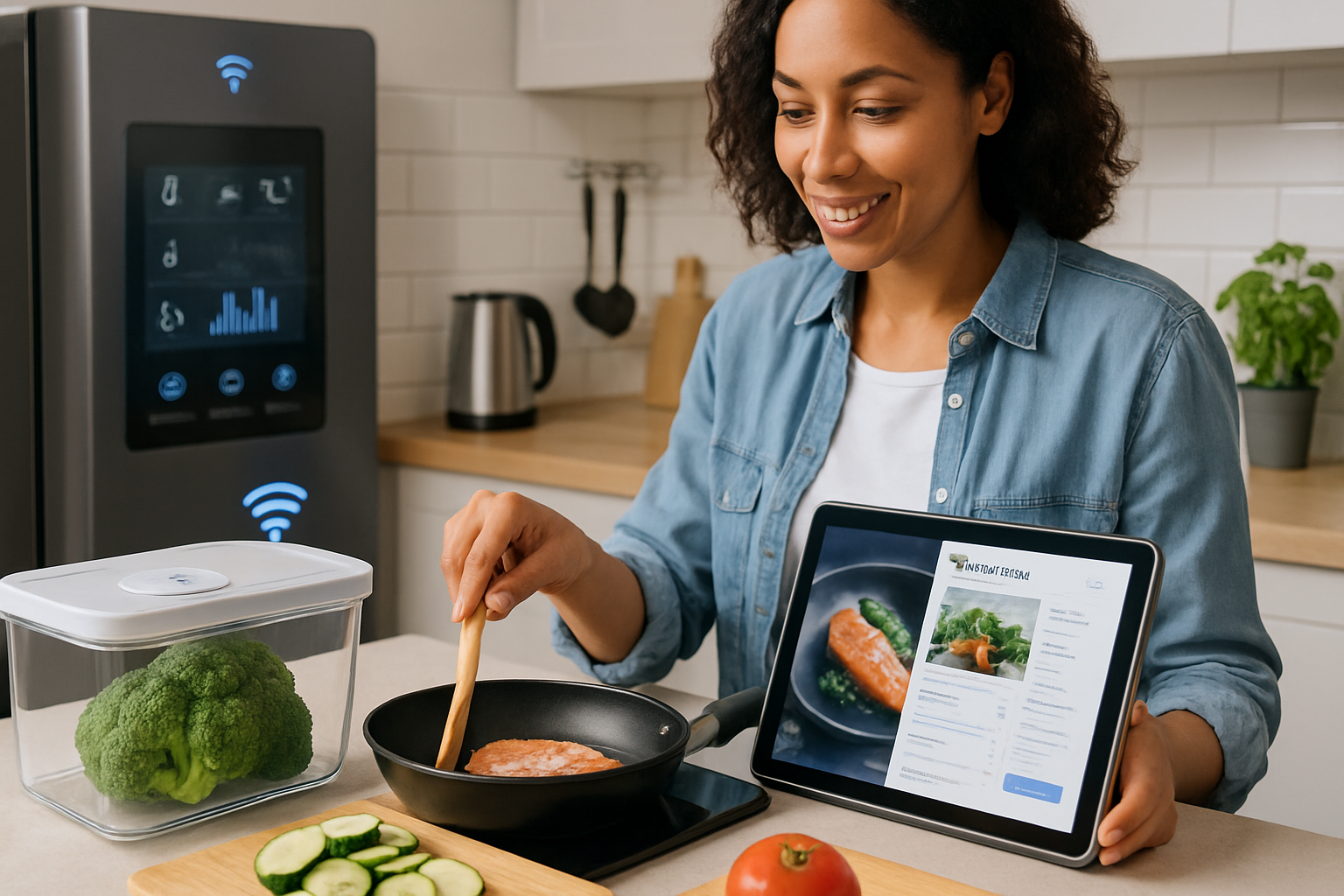
From sensor-laden gadgets that monitor freshness to AI-driven recipe assistants that adapt to dietary needs, the modern kitchen is entering a new era of precision, sustainability, and personalization. Explore how recent innovations are reshaping the way home cooks interact with ingredients, appliances, and each other.
For decades, the home kitchen remained largely unchanged: a mix of stovetops, ovens, cutting boards and familiar utensils. But in recent years, a wave of innovations has swept through the cooking space, driven by shrinking sensors, smarter software and growing consumer demand for healthier, more sustainable meals. Today’s culinary enthusiasts are increasingly turning to connected scales, thermal cameras, edge-AI appliances and cloud-based recipe platforms to elevate their everyday cooking.
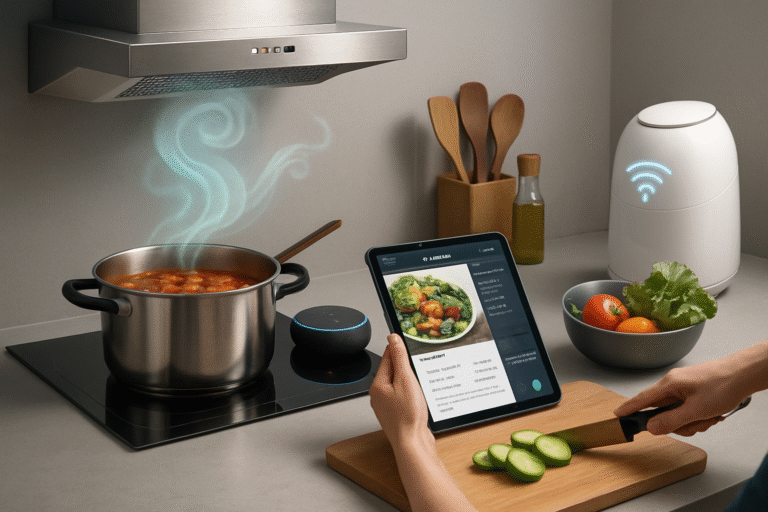
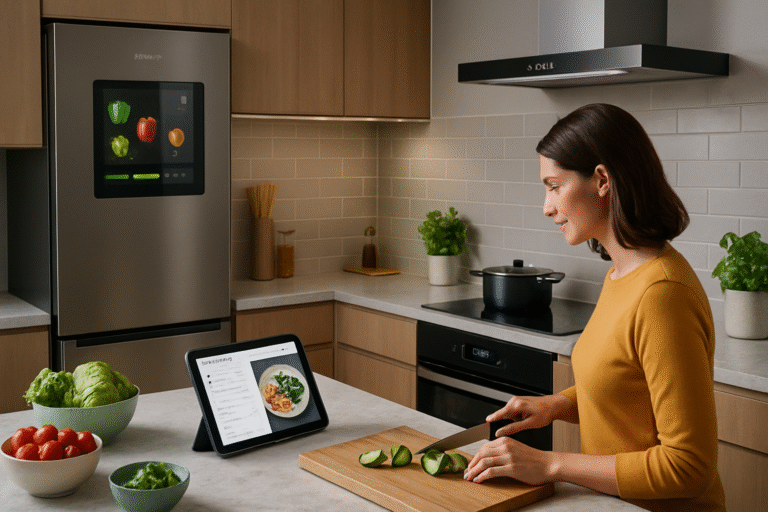
At the heart of this transformation is data. Home cooks no longer rely solely on sight, smell and taste. They can now tap into real-time metrics that quantify moisture levels, temperature gradients, nutrient breakdowns and even food waste. Imagine a sensor-equipped chopping board that recognizes the exact type of produce you place on it, then logs weight, freshness score and optimal storage guidelines-all without requiring any manual input.
This convergence of hardware and software is reshaping routines in both subtle and profound ways. A typical day in a tech-empowered kitchen might begin with an AI-driven coffee roaster analyzing bean origin and predicted acidity profiles, followed by a cloud-connected air fryer that auto-adjusts cook times based on humidity sensors. Later, a smart oven could detect the exact browning level of a roast using embedded infrared cameras, providing live feedback through a smartphone app.
Such precision promises consistently better results. A user who once relied on trial and error to perfect a loaf of sourdough can now view a detailed humidity and temperature graph for each proofing stage. A fingertip-mounted temperature probe ensures that the internal temperature of a turkey reaches the safe zone without overcooking. Even simple tasks-like boiling an egg-can be programmed to achieve the desired firmness by selecting a digital preset.
Behind these conveniences lie advances in sensor technology. Miniaturized gas sensors can detect ethylene emissions, allowing connected refrigerators to recommend which fruits need to be eaten first. Optical spectrometers, once confined to industrial labs, have found their way into portable food analyzers that estimate protein, fat and carbohydrate content within seconds. And low-power wireless networks enable these sensors to communicate seamlessly, creating a mesh of context-aware devices.
On the software front, machine learning models are unraveling the mysteries of flavor pairing and ingredient substitution. A recipe app can now suggest a dairy-free alternative that maintains the same creamy mouthfeel, simply by analyzing molecular similarities. Another platform predicts how ingredient proportions affect texture and rise in baked goods, then dynamically scales recipes based on altitude and humidity data pulled from local weather services.
These digital kitchens are more than just flashy toys for gadget lovers. They address real pain points for health-conscious families and sustainability advocates. By monitoring expiration dates and spoilage indicators, smart pantries reduce food waste by up to 30 percent in early pilot studies. Integrated dashboards show energy consumption for each appliance, empowering users to shift cooking sessions to off-peak hours or choose eco-friendly modes that trade off speed for energy savings.
Consider a household that relies on solar panels for daytime electricity. Their connected induction cooktop can be programmed to delay the preheat cycle until panels are generating surplus power. If clouds roll in, a backup algorithm switches the oven to a low-energy simmer mode, ensuring dishes stay warm without drawing on the grid. This level of orchestration between appliances and renewable energy sources was once the domain of industrial settings; today, it is available to anyone willing to embrace a smarter kitchen.
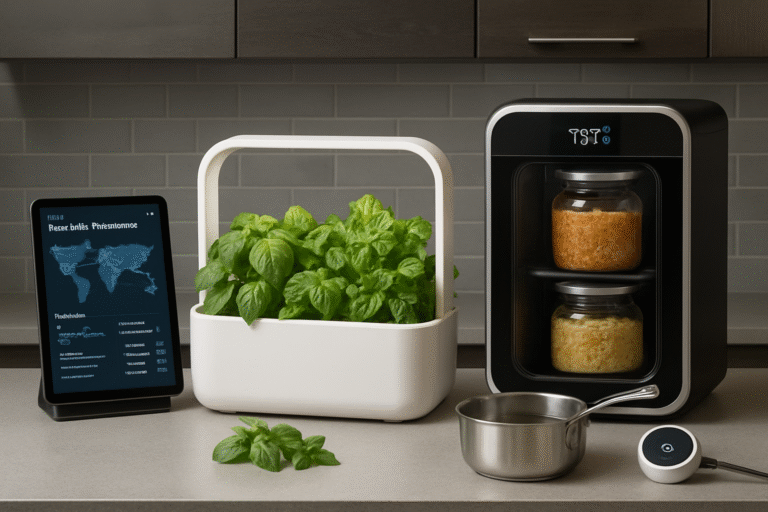
Designers and engineers are also rethinking materials and form factors. Non-stick coatings infused with antimicrobial agents help keep surfaces hygienic while reducing the need for harsh chemical cleaners. Touch-sensitive cabinets illuminate interior shelves when opened, making ingredients easier to locate in dim light. Modular appliances can be stacked or swapped out as households grow or cooking styles evolve, blurring the line between furniture and equipment.
Of course, the flood of data raises questions about privacy, interoperability and algorithmic transparency. Who owns the cooking history recorded by a connected mixer? Will recipe platforms prioritize partner-linked ingredients over the freshest local produce? To address these concerns, some innovators are releasing open-source firmware and publishing data schemas that allow third-party developers to build compatible apps and devices. Consumers are beginning to demand clear privacy policies that explain how their dietary preferences and household patterns are used.
Security experts warn that any networked device can become an entry point for bad actors. A poorly secured refrigerator could, in theory, serve as the weak link that exposes an entire home network. As a result, leading manufacturers now ship kitchen appliances with built-in firewalls, automatic firmware updates and hardware-based authentication modules. Industry groups are drafting guidelines for secure connections, establishing minimum encryption standards and certification processes akin to those in the smart home and wearable technology sectors.
One of the most intriguing frontiers is the development of olfactory sensors-sometimes called electronic noses-that attempt to recognize spoilage, rancidity or even subtle flavor profiles. Early prototypes can detect when meat begins to lose freshness, or when cheese has matured beyond its ideal window. When integrated with a voice assistant, these sensors could remind users to finish ingredients before they go bad or suggest recipes that incorporate near-overripe fruit.
Meanwhile, robotic helpers are inching toward mainstream kitchens. Compact counter-top machines can chop, mix and cook in sealed modules, guided by preloaded recipes. Human oversight is still required for ingredient loading and plating, but the underlying AI continually refines its techniques based on user feedback. In a few years, it may be common to watch a robotic arm tenderize meat with algorithmic precision or stir a pot at variable speeds according to viscous flow measurements.
For professional chefs, these technologies promise shorter prep times and more consistent plating. For home cooks, they offer a pathway to experimentation without fear of failure. A novice can explore international cuisines with guided tutorials that adjust seasoning levels in real time. Seasoned enthusiasts can dive deeper, analyzing how changes in cutting angle influence cooking speed or how spectral readings of oils correlate with smoke points.
Educational institutions are also getting in on the action. Culinary schools are installing sensor-rich kitchens where students learn both traditional techniques and data-driven best practices. Researchers in food science departments are collaborating with engineers to develop biodegradable sensors and compostable circuit boards that align with circular-economy goals.
As the cost of components continues to drop, many predict that the next five years will bring an explosion of affordable smart cooking tools. Entry-level models already retail for under a few hundred dollars, making them accessible to budget-conscious shoppers. Subscription-based services offer ongoing recipe updates, community forums and guided challenges that transform cooking from a chore into an interactive sport.
Nonetheless, the human element remains central. Technology can measure, adjust and automate-but it cannot replicate the emotional connection of a family meal, the cultural significance of a traditional dish or the creative spark that arises when a cook invents something entirely new. The most successful innovations will be those that augment human intuition, preserve cultural heritage and empower users rather than dictate every move.
Looking ahead, we can expect greater convergence between personal health data and culinary technology. Imagine a dietary profile that pulls from wearable trackers, blood sugar monitors and genetic analyses, then recommends meals tailored to metabolic needs and flavor preferences. Imagine sharing recipes that automatically adjust for climate-captured ingredient freshness, ensuring that each dish tastes as intended regardless of local variations.
The kitchen is evolving into a living ecosystem where ingredients, appliances, software and people interact in real time. This dynamic environment brings fresh challenges-data ethics, cybersecurity, accessibility-but also enormous promise. Home cooks are no longer limited by rigid appliances or one-size-fits-all recipes. They have tools that learn, adapt and grow alongside them.
In this unfolding narrative, the next generation of cooking will be defined by curiosity, collaboration and care-care for health, care for community, and care for the planet. Technology will serve as the catalyst, but the real magic will always come from human creativity around the table.