Location
Mount Vernon, WA 98274
Location
Mount Vernon, WA 98274

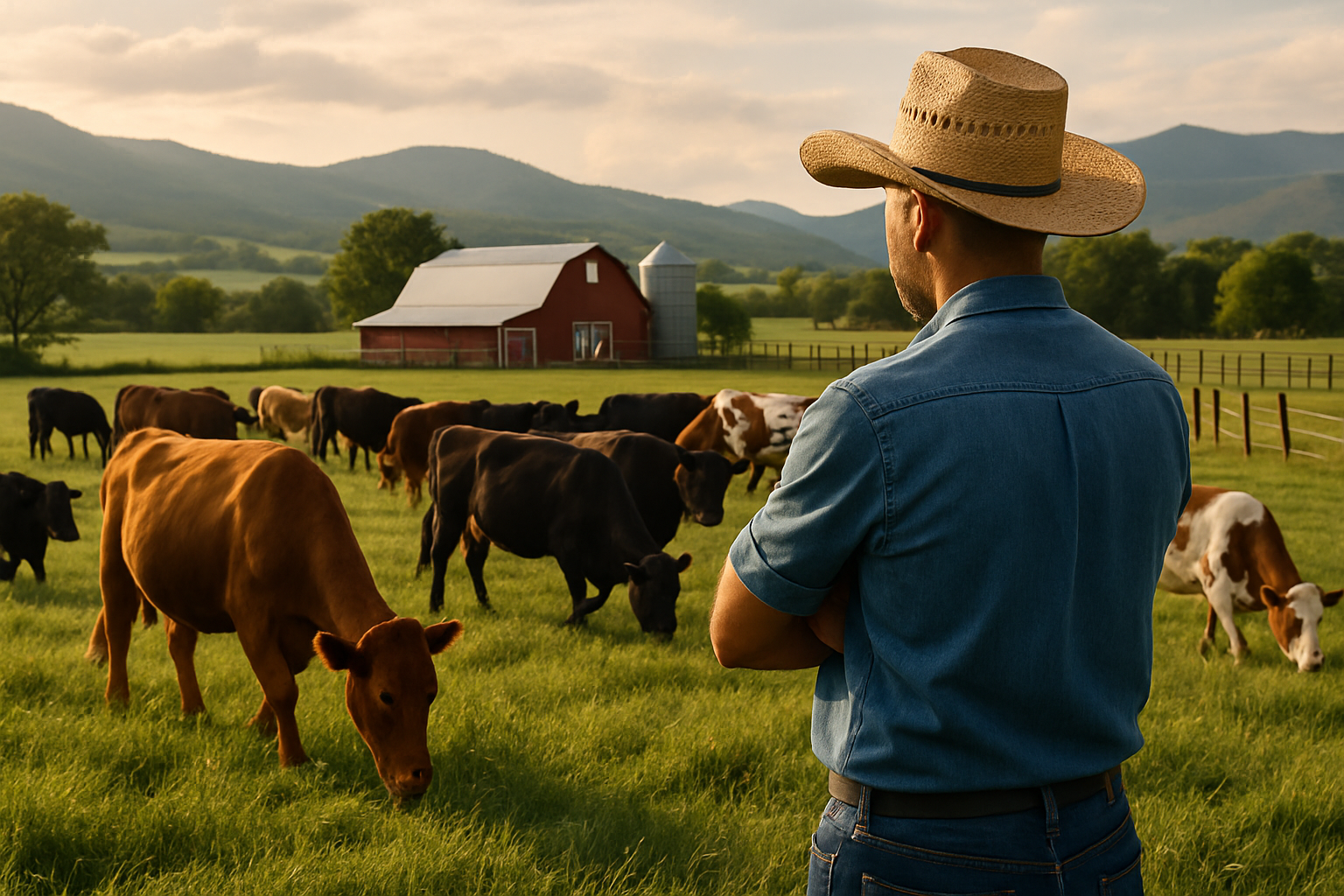
Farmers worldwide are embracing a new blend of traditional husbandry and adaptive management to confront climate unpredictability and market volatility. From diversified grazing systems to community-shared resources, modern livestock operations are rewriting the playbook to keep herds healthy, soils fertile, and livelihoods secure.
Across rolling pastures and arid rangelands alike, livestock farmers face an ever-changing landscape of challenges: prolonged droughts, erratic rainfall, rising feed costs, and evolving animal welfare standards. Yet amid these pressures, a wave of innovation is emerging. By adapting age-old grazing principles, tapping into community networks, and selectively deploying technology, many operations are discovering practical pathways to resilience.
At the heart of this shift lies a simple truth: healthy soil and well-nourished animals go hand in hand. Farmers are reviving rotational grazing techniques that partition paddocks into smaller cells, shepherding herds through a planned sequence. This approach mimics natural grazing patterns, allowing grasses to recover, building organic matter, and optimizing forage quality. In regions once scorched by repeated overgrazing, once-bare ground is now sprouting clovers, native wildflowers, and deep-rooted grasses that withstand heat and drought.
“Rotational grazing changed everything for us,” says a rancher in a semi-arid valley. “We used to move cattle twice in a season and watch the land suffer. Now, we split pastures into ten cells, rotate weekly, and water retention has soared. We’re talking 30 percent more biomass in just two years.”
This increase in forage also translates to improved animal health. Cattle and sheep benefit from a more uniform diet, free from overgrazed patches or invasive weeds. Better diet diversity supports higher weight gains and lowers veterinary costs. And because well-managed pastures hold moisture longer, farmers can stretch limited water supplies during dry spells.
Diversification Beyond Grazing
While grazing alone delivers impressive gains, combining livestock with ancillary enterprises spreads risk and unlocks new revenue streams. A growing number of farms are integrating silvopasture-pairing livestock with strategically planted rows of hardy trees. The trees offer shade and shelter for animals, reduce wind stress on young stock, and produce timber, nuts, or biofuel wood over time.
In coastal regions prone to saltwater intrusion, salt-tolerant shrubs like mangroves are being introduced to fringe marshland. Sheep and goats browse on underbrush, help control invasive species, and improve soil organic content. When paired with coastal bird-watching tours or small-scale oyster leases, these mixed-use systems provide diversified income that can cushion a farm’s bottom line during lean livestock seasons.
On the high plains, some operators have gone a step further: they fence off sections of pasture for cover-crop rotation, sowing clover, radish, and sorghum to fix nitrogen and suppress weeds. After a growth cycle, the cover crop is grazed, then tilled lightly to incorporate residue, returning nutrients to the soil. This cycle reduces chemical fertilizer needs by up to 40 percent, according to a recent survey of regenerative farms.
Community Collaboration and Shared Resources
Not all farms have the capital to install new water lines, solar arrays, or heavy-duty fencing. Here, community-mediated solutions are bridging gaps. Farmers in a Midwest county formed a cooperative that pools equipment-rotary feeders, mobile water tanks, even on-demand fencing reels. When one member needs a portable corral or a heavy-duty stock trailer, they reserve it through a centralized scheduling app, pay a modest fee, and pick it up at a nearby hub. This network has cut individual equipment costs by nearly 60 percent while keeping local dollars circulating.
Another community group in a mountainous region organized a farmer-to-farmer mentorship program. Experienced ranchers mentor newcomers on pasture mapping, herd health management, and local forage species. In return, novices assist veteran operators during lambing or calving season, providing much-needed labor while learning hands-on techniques.
Technology with a Purpose
Though high-tech solutions like drone herd monitoring and satellite imaging have captured headlines, many farms are opting for simpler, cost-effective tools. Soil moisture sensors installed at key pasture locations can alert managers when to move the herd or irrigate key paddocks. These sensors use low-power wireless protocols to transmit readings to a smartphone app, allowing farmers to react in real time rather than rely on manual checks.
Precision livestock scales-portable platforms that record an animal’s weight with every walkover-are another rising star. By linking weight data to individual ear tags, farmers track growth rates, identify underperforming animals early, and fine-tune ration mixes. This data-driven approach often results in feed savings of 10-15 percent because producers can tailor portions to each animal’s growth curve rather than guessing a one-size-fits-all ration.
Solar-powered electric fence energizers have also seen wider adoption. These compact units recharge off-grid and maintain consistent charge levels even in low-sunlight winter months. Strong fencing reduces labor hours spent rounding up strays and protects sensitive riparian corridors by keeping livestock where they belong.
Animal Welfare and Consumer Trust
As consumers demand greater transparency, livestock producers are finding that good welfare practices can be a competitive advantage. Some operations are opening their gates to local school groups and tour organizers, showcasing shaded feeding stations, spacious handling yards, and on-site veterinary checks. Others record short video snippets of daily health inspections and pasture rotations, sharing them on social media to build trust and justify premium pricing.
One family farm reports that customers paying extra for grass-fed lamb say they value seeing photos of lambs grazing under fruit trees and drinking from natural springs. By telling an authentic story of care and stewardship, farmers are forging direct relationships with restaurants and local markets that reward sustainable practices.
Preparing for the Next Shift
Even the best-managed systems must stay flexible. Climate projections indicate increasing extremes-more frequent torrential rains in some regions and deeper droughts in others. Farms that build modular infrastructure-movable water tanks, adaptable shade structures, and multi-purpose fencing-retain the ability to pivot as conditions change.
Financial planning also plays a critical role. A combination of crop insurance adapted to cover forage failure, government programs that incentivize carbon-sequestering practices such as rotational grazing, and microloans for equipment purchases can help maintain liquidity. Networking at state-level farm bureaus or regenerative agriculture associations keeps producers informed about new grants and evolving regulations.
Looking ahead, research into alternative protein sources-like insect protein supplements-could further reduce reliance on imported feed grains. Trials are already underway to test mealworm or black soldier fly larva as partial substitutes in cattle and poultry diets. These novel feeds show promise for lowering greenhouse-gas emissions and adding valuable amino acids to livestock rations.
A Path Forward
The livestock sector stands at a crossroads. Farmers must balance economic viability with ecological stewardship and animal welfare. The good news is that proven strategies-rooted in soil health, collaborative networks, and purpose-driven technology-offer a roadmap to greater resilience. By embracing diversity on the land, sharing tools and knowledge, and telling the story of their stewardship, livestock operations can adapt to uncertainty and thrive in an era of rapid change.
What begins as a patchwork of small improvements can compound into a robust system that sustains both people and planet. For modern livestock farmers, the journey toward resilience is less about conquering nature than partnering with it.