Location
Mount Vernon, WA 98274
Location
Mount Vernon, WA 98274

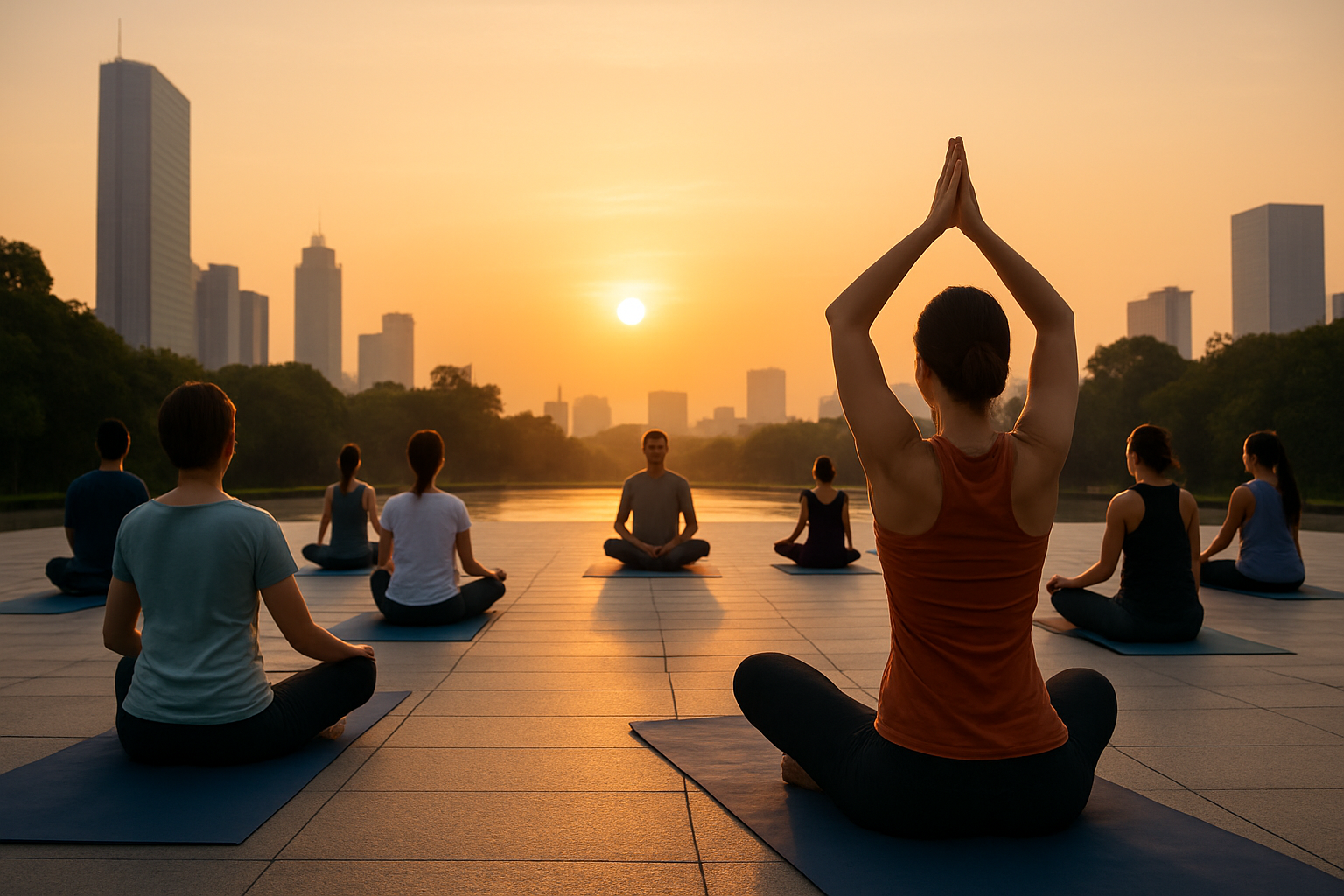
Urban centers around the globe are experimenting with communal sunrise rituals-from open-air yoga to guided breathwork-sparked by mounting research on circadian health. This new trend blends science, sustainability, and social connection to help people harness the power of early daylight for mind-body balance.
In city plazas and neighborhood parks, a subtle revolution is unfolding at the crack of dawn. Across continents, residents are gathering before sunrise for guided yoga flows, breath-focused meditation, or simple stretching routines. What began as grassroots meetups has evolved into municipal pilot programs backed by local health departments, nature nonprofits, and urban planners. The goal is to turn a mundane sunrise into a daily ritual of physical vitality, mental clarity, and communal bonding.
Recent health surveys reveal that roughly 40 percent of adults nationwide report feeling sluggish or unfocused in the morning-a phenomenon linked to disrupted sleep, excessive screen time, and misaligned eating schedules. Public health advocates argue that structured dawn activities can rewire our physiological rhythms through exposure to natural light, gentle movement, and intentional presence. In one coastal city, municipal authorities have even retrofitted fountain plazas with mobile shades and seating pods, offering participants a serene setting as night yields to day.
At the heart of this movement lies a growing body of scientific evidence about circadian biology. The human body operates on an internal clock regulated by light cues: cortisol levels naturally surge at first light, priming us for alertness, while melatonin peaks as darkness falls. By stepping outside before sunrise, individuals synchronize their hormonal cycles with dawn’s glow, combating the so-called “social jet lag” that plagues many urban dwellers. A recent study published by a leading sleep foundation found that participants who engaged in 15 minutes of daylight exposure within 30 minutes of waking reported up to 25 percent fewer midday energy crashes.
But exposure alone isn’t enough. Guided movement amplifies the benefits. Gentle yoga sequences tailored to open the chest and hips help regulate breathing patterns and stimulate the parasympathetic nervous system. Breath-centric workshops, often led by certified instructors volunteering through community wellness initiatives, teach simple techniques-like coherent breathing or box breathing-to reduce the chemical markers of stress. Participants report feeling calmer, more grounded, and better equipped to handle the day’s demands.
Sustainability is weaving through these programs with deliberate intent. Organizers prioritize zero-waste setups, asking attendees to bring reusable mats and water bottles. Some neighborhoods partner with local farmers markets to offer discounted herbal tea pouches or compostable snack bars as post-session refreshments. Lighting installations run on solar power, and reusable signage is crafted from reclaimed wood. By integrating ecological values with health goals, these morning gatherings become microcosms of a broader regenerative ethos.
Aside from individual gains, communal sunrise rituals foster social cohesion at a time when urban isolation is rising. Sharing a quiet moment of collective inhalations and sun salutations builds a sense of belonging that permeates the rest of the workday. Office teams that participate together report improved collaboration and fewer afternoon conflicts. Local business owners note an uptick in foot traffic at cafes and grocers near gathering spots, suggesting that early-morning wellness can catalyze economic vitality in neighborhoods long starved for positive interaction.
Crafting your own sunrise sanctuary at home is surprisingly low-barrier. Start by setting an alarm 20 minutes earlier than usual and placing a glass of water and an open window or balcony next to your bed. As soon as you wake, sip, stretch, and step outside. No special equipment is required, though a light yoga mat and a pause-worthy notebook can deepen the experience. Resist the urge to check your phone; instead, use the quiet to observe shifting colors in the sky, catalog your intentions for the day, or simply focus on the rhythm of your breath.
For those craving structure, many cities now offer free or donation-based sessions led by certified instructors. Neighborhood associations publish sunrise schedules on social channels, and some even host weekend “sunrise socials” with live acoustic music. Universities are experimenting with offering credit-eligible early-bird workshops in campus courtyards, bridging academic life and well-being. Corporations, too, are testing sunrise breaks as part of employee wellness programs, providing blackout curtains for better sleep and organizing shared pre-work stretch circles.
One unexpected beneficiary of these rituals is the urban wildlife ecosystem. Early-morning foot traffic often deters invasive species and encourages native birds to forage safely. Community stewards use pre-sunrise meetups to plant pollinator-friendly blooms and clear litter, turning routine gatherings into climate-resilient micro-projects. Participants in one borough collaborated with ecologists to monitor dawn choruses of songbirds, contributing valuable data to citizen-science initiatives and fostering a deeper connection with local biodiversity.
The ripple effects of morning wellness extend beyond individual calendars. When neighborhoods embrace dawn as a shared practice, city planners take notice. Proposals to convert underused parking lots into mini-wellness parks or retrofit bus stops with UV-filtered skylights gain traction. Public art commissions feature sunrise-inspired murals, reminding passersby of the collective promise held in those first golden beams. Across city halls, the language of health policy is shifting toward holistic frameworks that recognize the interplay of light, movement, community, and environment.
As more people wake with the sun, the collective momentum transforms personal habits into cultural movements. What once felt like an individual health hack is blossoming into a civic experiment in mindful living. The dawn of a new wellness era may yet prove that our bodies-and our cities-thrive when we honor the simple wisdom woven into daily sunlight.