Location
Mount Vernon, WA 98274
Location
Mount Vernon, WA 98274

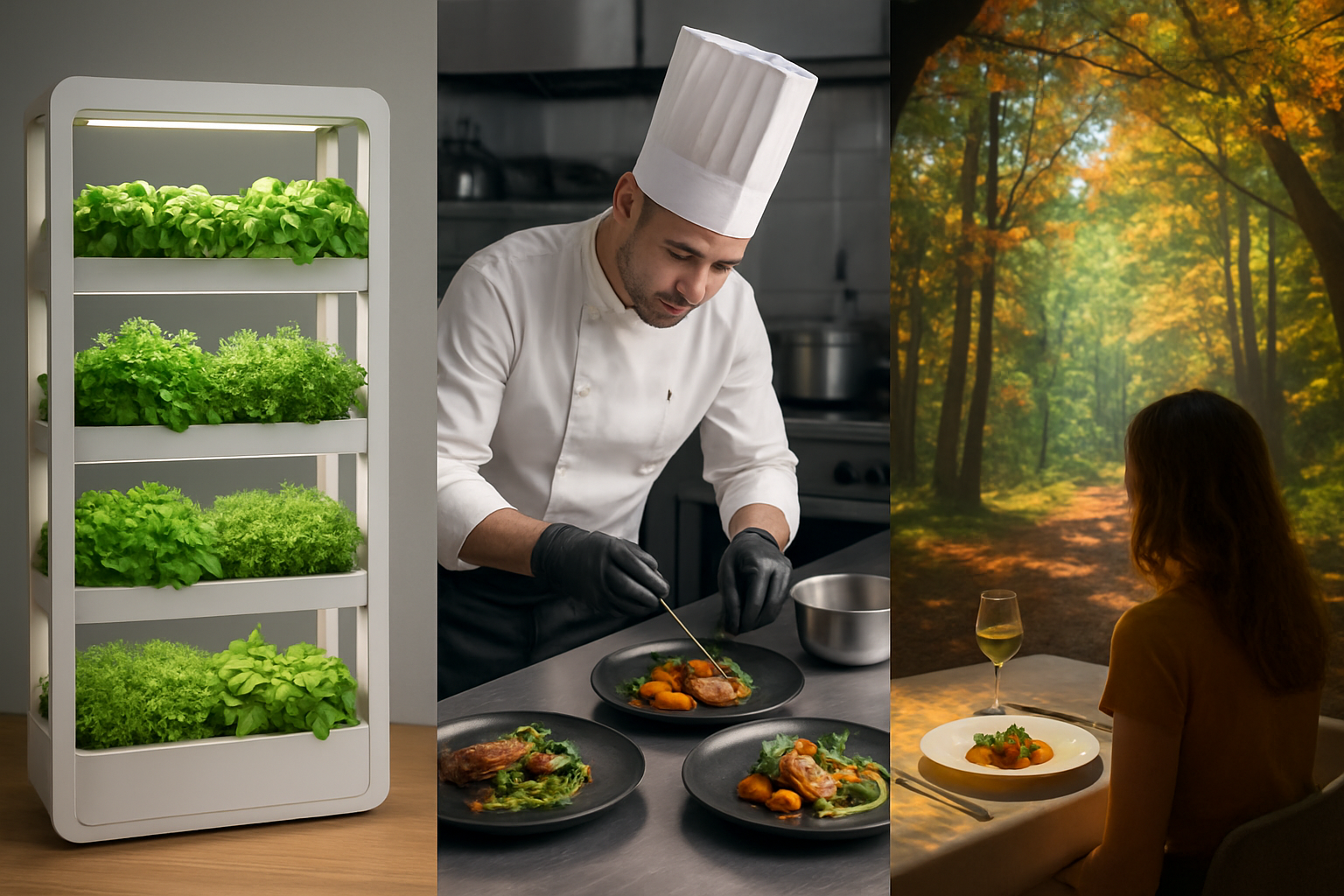
From modular indoor gardens to immersive dining experiences, a new wave of culinary trends is reshaping both home kitchens and professional establishments. Driven by sustainability, personalization, and digital innovation, these developments promise to transform the way we grow, prepare, and enjoy food.
In kitchens around the world, a quiet revolution is taking place. Home cooks, restaurateurs, and artisanal producers are weaving technology, environmental stewardship, and creative flair into every plate. As diners become more curious about provenance, flavor nuance, and experiential dining, the industry is responding with a host of novel approaches that challenge traditional boundaries.
One of the most visible shifts is the rise of modular indoor gardens designed for urban apartments and small commercial spaces alike. These compact units use hydroponics, aeroponics, or soil-free media to nurture leafy greens, microherbs, and edible flowers year-round. Instead of a flat bag of mixed salad, cooks can snip fresh tarragon, sorrel, or purple basil mere seconds before plating. For restaurants, the allure lies in the ability to offer signature garnish blends that carry unmistakable freshness. For home chefs, it is the satisfaction of tending living ingredients as easily as growing a patch of window herbs. The modular design means the system can expand as needs evolve, whether accommodating basil’s sprawling habit or supporting a rotating selection of gourmet mushrooms.
Fermentation is enjoying a renaissance that goes beyond yogurt and kimchi. A growing community of hobbyists and professionals is experimenting with obscure cultures-kombucha SCOBYs blended with tea made from native leaves, miso variations from heritage grains, and preserved fruits brined with locally foraged botanicals. These efforts give rise to bespoke flavors that reflect regional terroir. In cities with diverse immigrant populations, collaborative ferment bars are popping up, where chefs swap recipes for fermented chili pastes, plant-powered cheese alternatives, and probiotic beverages infused with rare spices. While supermarkets stock a tidy rack of mass-produced kimchi jars, the ferment aficionado seeks depth of flavor born from small-batch processes and creative cross-pollination of traditions.
At the same time, professional kitchens are reconfiguring around so-called ghost brands and virtual concepts. Freed from the constraints of dining room design, these ventures operate out of shared kitchen spaces, relying exclusively on delivery and pickup. This model allows chefs to test bold fusion menus-imagine Southeast Asian-inspired dumplings filled with locally grown jackfruit, served with a citrusy fermented pepper sauce-without the heavy investment of a brick-and-mortar venue. By tracking real-time ordering data, operators can pivot rapidly, shelving items that underperform and scaling up dishes that attract social media buzz. The ghost kitchen phenomenon underscores the growing role of data-driven menu development and agile supply chains in shaping what consumers ultimately taste.
Technology’s influence extends into the very fabric of cooking tools. Smart sous-vide machines now integrate precision sensors that adjust temperature to thousandths of a degree, guided by chef-calibrated algorithms. These devices learn from each cycle, suggesting tweaks in time or water circulation to enhance texture consistency. Meanwhile, countertop fermentation crocks equipped with digital interfaces monitor pH levels and ambient climate, alerting users when sauerkraut reaches peak tang or when a ginger bug is ready for brewing. For the home cook intimidated by scientific jargon, these interfaces demystify processes that once required dozens of temperature checks and manual taste tests.
Yet the human touch remains central to culinary innovation. Flavor layering has evolved from simple seasoning to micro-seasoning: pinpoint sprinklings of dehydrated herb essences, fermented dusts, and aromatic salts that deliver bursts of aroma and taste without dilution. Crafted in small labs or artisanal kitchens, these micro-seasonings let cooks dial up brightness, umami, or heat in precise increments. A single plate might receive a coral-pink dust of smoked paprika kefir, a translucent cloud of preserved yuzu zest, and a flurry of aged pistachio brine powder. The result is a tapestry of sensations that engages every palate receptor.
Dining out is also undergoing a sensory expansion. Augmented-reality menus accessed via tabletop screens allow patrons to preview 3D renderings of dishes with interactive information on origin, nutrition, and chef notes. In some progressive establishments, tables are fitted with projection systems that cast changing patterns of light and color synchronized to each course. A stew might be accompanied by rippling cerulean waves and low-frequency hums that mimic ocean currents, enhancing the seafood narrative. Others are experimenting with scent emitters that release harmonizing perfume notes as dishes arrive, blurring the line between dinner and immersive theater.
Chefs and producers are embracing circular strategies to minimize waste. Root-to-stem cooking has moved beyond buzzy catchphrases into systematic menu planning: vegetable leaves become pestos, bone broths are enriched with underutilized legumes, and whey byproducts from cheesemaking find second lives in baked goods. Some restaurants partner with local farms to compost leftovers on-site, closing the nutrient loop in urban environments. Home cooks, inspired by these efforts, are repurposing stale bread into flour for flatbreads, and transforming coffee grounds into coffee-infused vinegars or DIY body scrubs. The ethos of zero-waste becomes a creative asset rather than a choresome requirement.
Emerging ingredients are also capturing imaginations. Advances in cellular agriculture have produced milk proteins without cows, enabling cheese-making without traditional dairy herds. Mycoprotein from fungi is being tailored to mimic the texture of scallops, chicken thighs, or even pork belly, opening new pathways for plant-centric menus. Seaweed cultivation, once confined to coastal regions, is spreading inland through land-based aquaculture systems. Producers harvest kelp and nori as sources of sustainable protein, fiber, and natural umami compounds. These innovations not only address environmental concerns but also expand the flavor palette available to chefs.
On the frontlines of this culinary transformation are the people who champion curiosity and collaboration. Culinary schools and apprenticeship programs are evolving curricula to include data analytics, design thinking, and sustainable supply-chain management alongside classic knife skills and sauce techniques. Community kitchens host interdisciplinary meetups where coders, horticulturists, microbiologists, and chefs experiment together, forging hybrid concepts that a single discipline alone might never conceive.
In homes, the spirit of kitchen experimentation is fostered by open-source recipe networks and social platforms that encourage remixing rather than rote copying. Cooks share annotated workflows that document their adjustments, failures, and triumphs in real time. This collective approach accelerates the pace of innovation, transforming once-solitary recipe tinkering into a distributed, iterative process.
For diners, the benefits manifest in increasingly personalized experiences. Subscription services now offer micro-curated ingredient boxes tuned to taste profiles generated from short quizzes and previous order data. Cooking apps suggest recipes aligned with an individual’s climate-impact goals or specific nutritional needs. Even restaurant menus adapt dynamically: digital displays swap out dishes in response to ingredient availability, weather conditions, or time of day, ensuring peak freshness and relevance.
The culinary landscape of today stands at the crossroads of heritage and futurism, of hand-crafted techniques and algorithmic assistance. Sustainability has moved from margin to mainstream, challenging cooks to honor resources while pushing creative boundaries. Technology has leaped from auxiliary gadgetry to core infrastructure, redefining how ingredients are grown, prepared, and experienced. And above all, the spirit of curiosity remains the greatest driver of innovation.
As kitchens continue to evolve, one truth endures: food is as much about storytelling as it is about sustenance. Every micro-seasoning, every living herb plucked from a countertop garden, every projection of light dancing on a dinner plate contributes to an unfolding narrative. In embracing these trends, chefs and home cooks alike become authors of new gastronomic chapters-chapters that celebrate creativity, community, and the promise of a more sustainable tablescape.
Find your place at this intersection of taste and technology, and savor the rich possibilities that await beyond the familiar horizon.