Location
Mount Vernon, WA 98274
Location
Mount Vernon, WA 98274

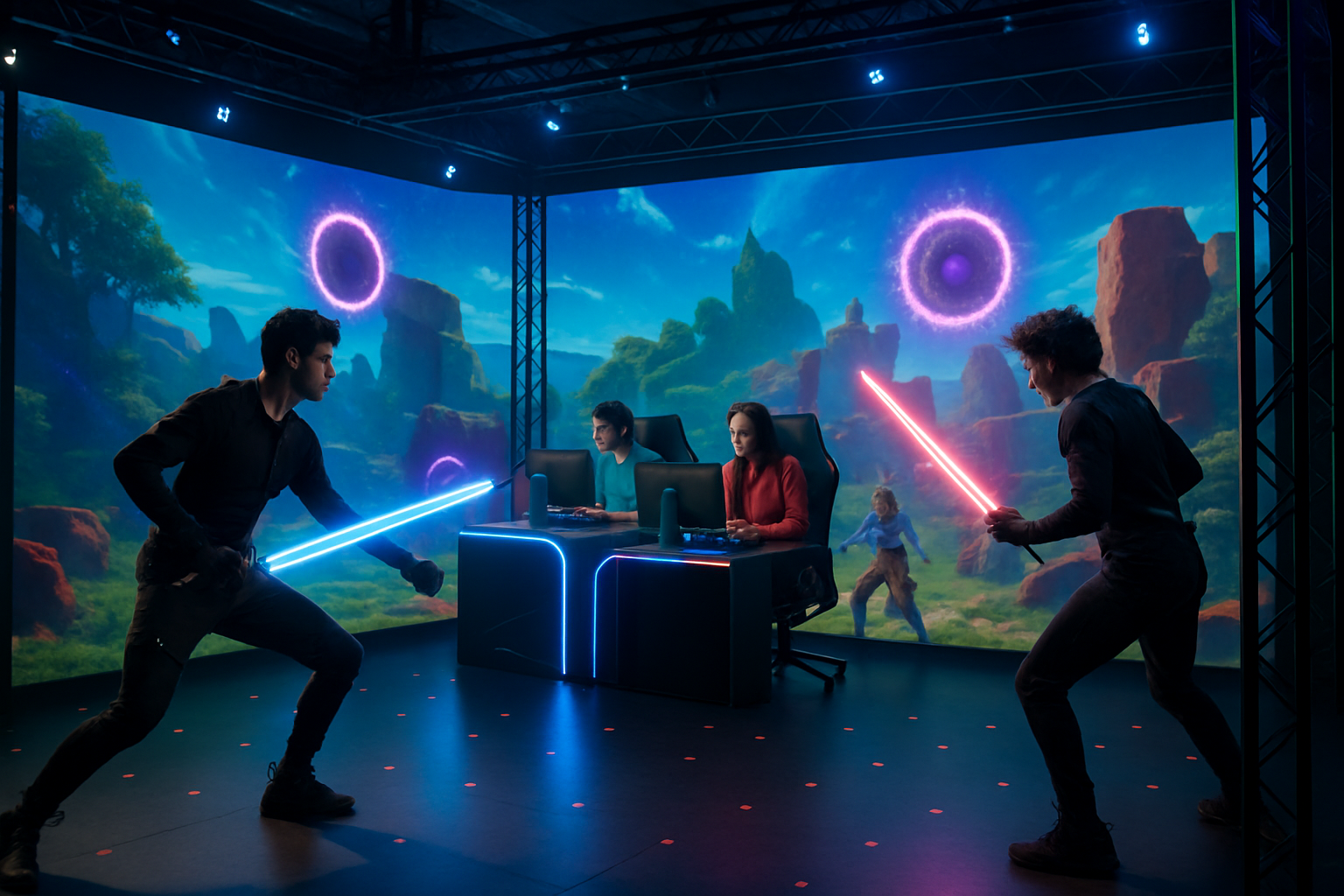
An innovative wave of gaming venues is merging physical spaces with digital worlds, creating immersive cross-reality arenas that cater to both casual players and esports enthusiasts. Leveraging motion capture tech, LED volumes, and cloud-enabled graphics, these hybrid playgrounds are reshaping how communities engage with interactive entertainment.
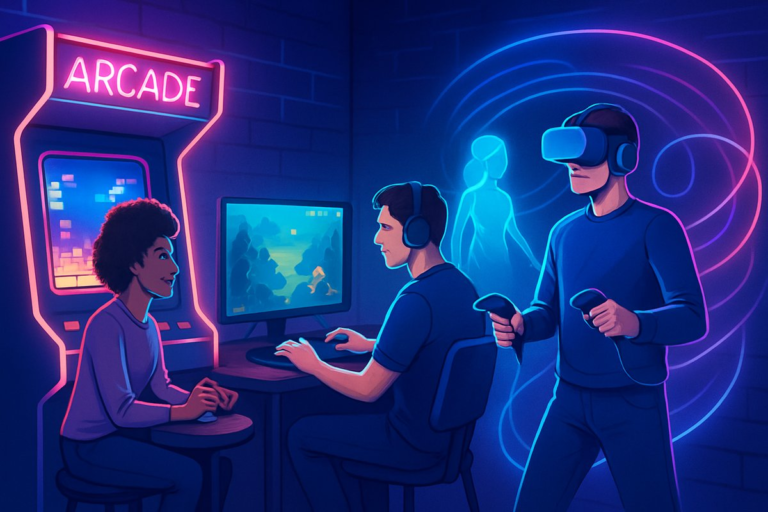
In cities around the globe, a new breed of entertainment venue is taking shape-one that dissolves the boundaries between the tangible and the virtual. Known as cross-reality gaming arenas, these spaces combine real-world movement with digital immersion, turning traditional gameplay into full-body adventures. Players don motion tracking suits and wireless headsets, step onto interactive floors, or pick up replica props that respond to haptic feedback. The result: a seamless fusion of escape rooms, esports stadiums, and virtual production studios.
Just a few years ago, VR arcades were novelty side-projects at shopping malls or gaming expos. Today, they’ve evolved into sophisticated environments featuring LED volume walls-like those pioneered in film studios-where dynamic backgrounds shift in real time alongside a player’s actions. High-performance GPUs run in the cloud, offloading rendering tasks from local machines and enabling lifelike simulations in vast arenas. Networked motion sensors capture every gesture, translating it into precise in-game moves. Sports, role-playing quests, rhythm challenges, and team-based combat all unfold in these modular spaces that can reconfigure in minutes.
Industry analysts estimate the global location-based entertainment market reached nearly $32 billion last year, with a projected compound annual growth rate of 8 percent over the next five years. While home consoles and mobile devices remain the beating heart of gaming, venue operators are betting on communal, full-body experiences as a way to reignite foot traffic and foster social bonds. Family groups, college clubs, corporate teams, and streaming creators are among the fastest-growing segments, drawn by the promise of shared thrills beyond a screen.
One marquee example opened recently in a repurposed warehouse district. Dozens of translucent domes house independent game modules: a medieval dungeon crawl bathed in red torchlight, a cyberpunk street-fight where neon signs pulse along with each punch, a cosmic exploration where gravity shifts on command. Each module can swap out digital content on the fly, enabling up to a hundred unique experiences under a single roof. Players scan a QR code, choose a scenario on a touchscreen kiosk, suit up, and step inside a dome with real-time motion capture. Game masters oversee the experience via a control deck, adjusting difficulty and coordinating narrative beats.
From an engineering standpoint, achieving this level of flexibility requires careful integration of hardware, software, and spatial design. Lightweight wireless headsets connect over private 5G networks, minimizing latency even when dozens of headsets are active. Compact server racks running edge computing nodes handle predictive rendering, ensuring crisp visuals even as players dash, duck, or leap. Infrared cameras and LiDAR sensors map every square meter of the floor, tracking collisions and fine-grained movements. When a player falls or fumbles, the system automatically pauses or reroutes the action to maintain immersion.
Game studios are racing to supply content compatible with these environments. A handful of middleware platforms now allow developers to build once and deploy across both home VR setups and location-based arenas. This bridge encourages indie creators to dream up scale-layered experiences that reward group coordination and physical dexterity. Early successes include cooperative stealth missions where teams must split up to unlock separate control panels and then collaborate to shut down a sprawling virtual fortress. Another popular attraction is a gladiatorial battle royale in which participants must navigate shifting obstacles and environmental hazards-emblazoned on LED walls-while duking it out with foam-tipped blasters.
Despite the hype, challenges remain. Venue operators face high capital costs for real estate, equipment, and technical staff. To recoup investments, many are experimenting with membership models, season passes, and themed pop-ups tied to film releases or festival circuits. Dynamic pricing algorithms adjust rates in real time based on demand, weekday versus weekend sessions, and group size. Behind the scenes, data analytics track player preferences and engagement metrics, guiding future content updates and layout optimizations.
Sustainability is also on the radar. High-power servers, LED volumes, and climate control systems draw significant electricity. Leading operators are offsetting this footprint through solar panels, smart HVAC scheduling, and waste-reduction initiatives in their in-venue cafes. Some venues partner with public transit authorities to encourage walk-in traffic, reducing car usage among local players.
Cultural impact is emerging, too. Cross-reality arenas have become hubs for inclusive events, such as adaptive gaming sessions for neurodiverse participants and intergenerational tournaments pairing grandparents with grandchildren. By de-emphasizing button-press reflexes and highlighting spatial awareness, these experiences can feel more approachable to novices than traditional console titles. Community nights often feature local DJs and live-stream broadcasts, turning casual sessions into social gatherings where friendships form over shared quests.
Celebrity tournaments and charity showcases are further amplifying visibility. Without naming individual personalities, it’s clear that streaming influencers and former professional athletes are taking part, testing the tech and broadcasting cross-reality gameplay to audiences in real time. These events spotlight the potential for cross-reality arenas to serve as modern sports venues, complete with commentators, highlight reels, and sponsorships from peripheral makers and energy-drink brands.
Educational applications are on the horizon as well. Partnerships with museums and science centers are adapting the technology for virtual field trips-imagine stepping inside a rainforest canopy atop a bioluminescent waterfall, all while receiving narrated context through spatial audio. Engineering students at technical institutes are exploring cross-reality labs where they can prototype structures in virtual space and then interact with real-world components synced to their simulations.
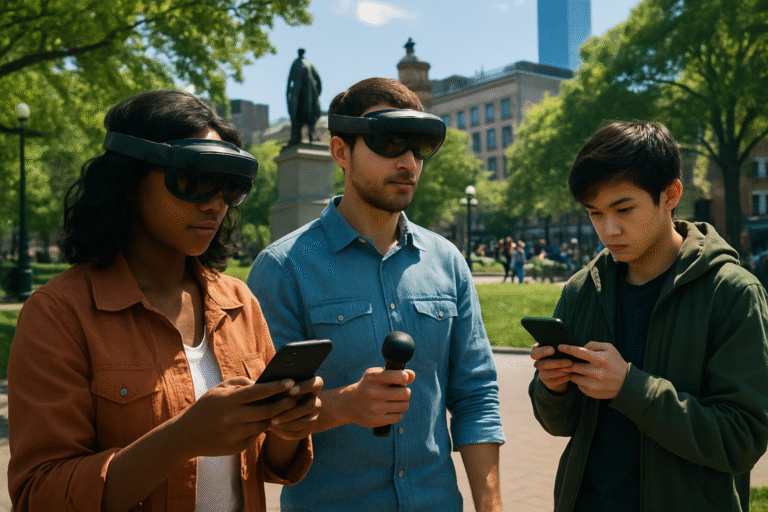
Looking ahead, the next frontier may involve augmented reality overlays that blend digital elements into public parks, stadiums, and even concert arenas. Imagine a live concert where virtual creatures join the mosh pit in mixed reality, or a city marathon where real-time navigation cues and animated race icons float above the pavement. As consumer AR glasses edge closer to practicality, cross-reality venues will likely expand beyond dedicated buildings into pop-up installations and public-private collaborations.
For entrepreneurs and developers, this moment presents both opportunity and responsibility. Designing experiences that prioritize ethical data practices, accessibility, and emotional well-being is crucial. Overstimulating visuals, excessive in-game microtransactions, or exploitative engagement loops could tarnish the medium’s reputation. Instead, the most successful arenas will be those that strike a balance-delivering memorable thrills while respecting player autonomy, health, and community values.
As cross-reality gaming arenas proliferate, they’re redefining our collective relationship with play. No longer confined to living rooms or headsets tethered to desktops, interactive entertainment is stepping into the real world with muscle, creativity, and heart. For many, the promise of these hybrid playgrounds lies not just in escaping reality, but in amplifying our shared imagination.
Future expansions might include global tournament circuits, branded crossover events with film studios, and hybrid educational-entertainment curricula for schools. But whatever shape they take, cross-reality arenas have already sparked a shift in how we gather, compete, and connect. In the process, they’re forging a new frontier where the only limit is the boundary of our collective dreams.