Location
Mount Vernon, WA 98274
Location
Mount Vernon, WA 98274

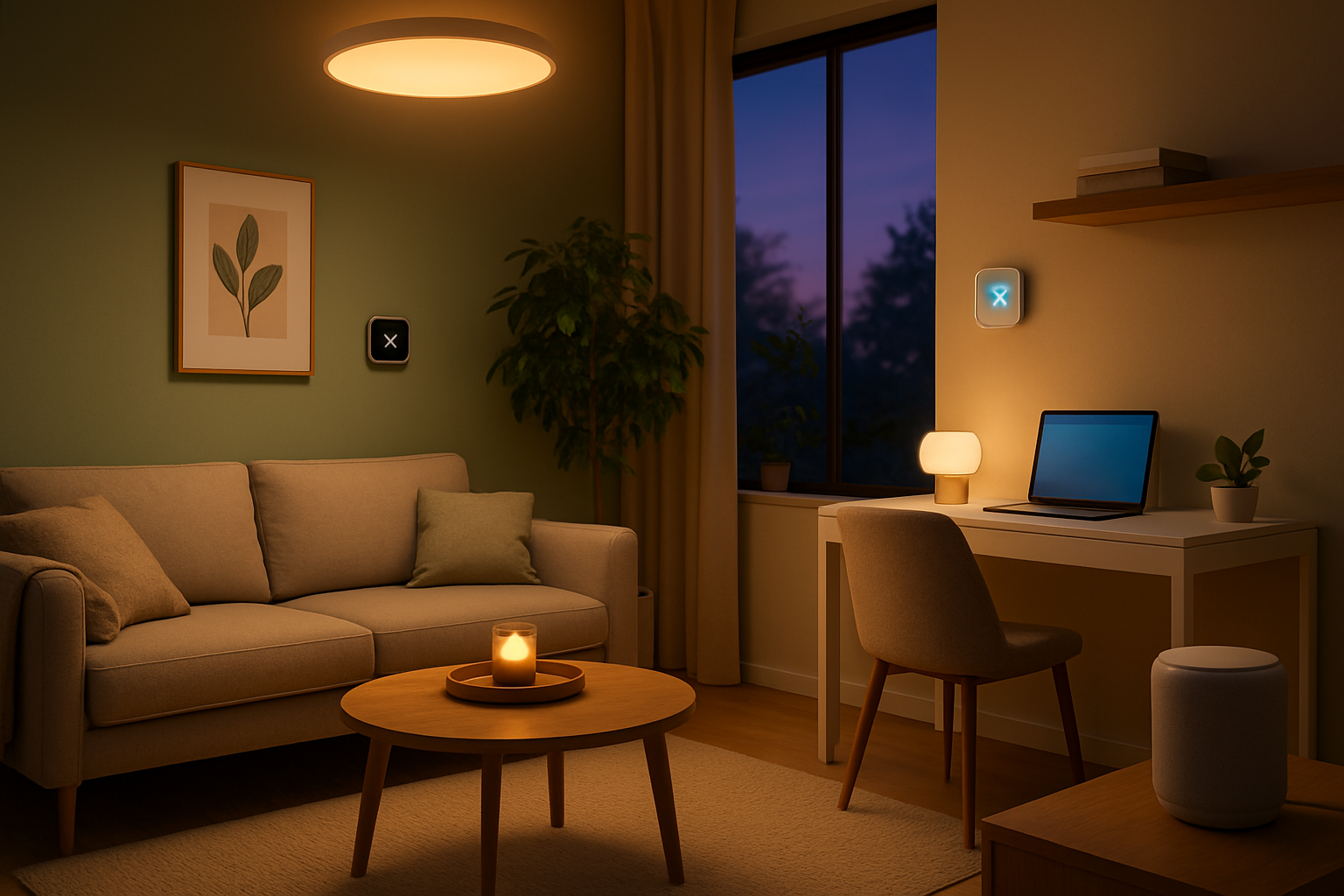
As remote work and shifting lifestyles redefine what a home can be, a new wave of wellness-focused design and smart technology is transforming living spaces into personalized sanctuaries. From circadian lighting systems to air-quality monitoring and acoustic privacy zones, these innovations aim to nurture mental and physical health without sacrificing style or sustainability.
In recent years, our homes have taken on roles they never held before. Once a refuge from the daily grind, they have become offices, classrooms and even gyms. While this multipurpose use brought new levels of convenience, it also introduced stressors: poor lighting, stale air, noise pollution and the blurred lines between work and rest. Against this backdrop, designers, architects and technologists have joined forces to pioneer wellness-integrated smart homes-living spaces engineered to support mental and physical health through intentional design and responsive technology.
Central to these homes is an emphasis on circadian rhythms. Traditional lighting leaves us in a perpetual state of fatigue or overstimulation, but circadian smart bulbs adapt color temperature and intensity throughout the day. In the morning, cooler blue-white light helps us wake up gently; during work hours, crisp daylight tones boost focus; and in the evening, warm amber hues prepare the body for restful sleep. Integrated sensors track natural daylight levels and occupancy, automatically dimming or shifting tones as dusk falls, creating a seamless transition from productivity to relaxation.
Air quality has emerged as another pillar of wellness design. Studies show that indoor pollutants-volatile organic compounds from cleaning products, off-gassing from furnishings and even mold spores-can exacerbate allergies, headaches and respiratory issues. Smart air monitors now relay real-time data on particulate matter, humidity and CO₂ levels to homeowners via intuitive mobile dashboards. Paired with automated ventilation systems and localized purifying units, these devices can boost fresh-air circulation when thresholds rise, or activate gentle filtration to remove dust, pollen and airborne pathogens.
Acoustic comfort is often overlooked in open-plan living. While lofty ceilings and minimal walls foster communication and community, they also amplify distractions: ringing phones, clattering dishes, virtual meeting echoes. Innovative acoustic panels made from recycled fabrics and natural fibers can be strategically placed to muffle unwanted noise without blocking sightlines. Some companies even embed atmospheric sensors in panels to double as humidity regulators and subtle diffusers for calming essential-oil blends.
Biophilic design, the practice of integrating natural elements into built environments, dovetails perfectly with wellness tech. Living green walls, potted air-purifying plants and even small hydroponic gardens introduce both oxygen and a calming visual rhythm. Many smart homes now incorporate indoor planters with automated watering and adaptive grow lights that respond to plant needs, ensuring vibrant greenery in apartments and shaded rooms that might otherwise be inhospitable to foliage.
One recent project in an urban co-housing community showcases these combined strategies. A pair of interior designers collaborated with environmental engineers to retrofit a former warehouse into a cluster of micro-units. Each resident has a modular workstation that slides into the wall by noon, freeing space for yoga mats or children’s toys. Overhead, a network of circadian lighting and air-quality sensors ensures that each unit’s atmosphere responds to occupant habits, while communal green roofs host vegetable patches and meditation alcoves. The result is a flexible home that adapts to both solitary focus and shared social rituals.
Wellness tech doesn’t stop at environmental factors-it extends to emotional and mental health support. Voice-activated assistants can guide mindfulness exercises, cue gentle music or initiate focused-breathing sessions when stress indicators rise. Wearable integrations feed biometric data into the home’s management system, which can then suggest lighting adjustments or aromatherapy blasts tailored to cortisol levels. This subtle, data-driven feedback loop personalizes self-care routines, embedding emotional intelligence into daily living.
Of course, any smart-home solution must respect privacy. Continuous monitoring brings potential concerns about data security and autonomy. Leading designers are responding with local storage options, transparent data-use policies and manual overrides that allow homeowners to disable sensors or opt out of certain features entirely. This values-driven approach ensures that wellness remains central-not surveillance.
To bring these concepts into your own home, start by assessing existing pain points. Do morning light levels feel harsh? Are afternoon focus sessions interrupted by stale air or echoing appliances? Mapping daily routines against environmental triggers will reveal where targeted interventions can have the greatest impact. Perhaps a simple smart bulb upgrade will transform a bleary wake-up into a gentle sunrise, or a compact air-quality sensor will prompt periodic window-opening and reduce headaches.
When planning larger upgrades, consider modularity and sustainability. Choose acoustic panels made from recycled or rapidly renewable materials, and prioritize lighting fixtures rated for longevity and low energy draw. Integrate plant-care systems that minimize water waste or recycle greywater. Small eco-friendly choices aggregate into significant resource savings-and they strengthen the link between a healthy planet and healthy occupants.
Beyond gadgets and hardware, fostering a culture of wellness in the home matters as much as the technology itself. Encourage household members to adopt mindful transition rituals: a brief stretch and lighting adjustment when switching from work to family time, or a shared hydration reminder after extended video-conference calls. Cultivating these rituals embeds the technology into daily life, shifting from novelty to necessity.
As real-estate values and living patterns continue to evolve, wellness-integrated smart homes represent a new frontier in residential design. By blending environmental science, emotional intelligence and user-centric technology, these spaces offer more than comfort-they promote resilience, focus and wellbeing. Whether you live in a studio flat or a suburban bungalow, applying these principles can help transform any dwelling into a healing habitat, one thoughtfully calibrated moment at a time.
Ultimately, the home of the future is not defined solely by how smart it is, but by how well it understands and supports its inhabitants. In that sense, wellness-integrated design offers a roadmap for creating living spaces that nurture both body and mind, forging deeper connections between ourselves, our environment and the communities we share.