Location
Mount Vernon, WA 98274
Location
Mount Vernon, WA 98274


Emerging at the crossroads of neuroscience and skincare, neurocosmetics taps into the skin's own nerve network to soothe stress, boost resilience, and restore radiance. By marrying neuroactive peptides, adaptogens, and smart delivery systems, this new frontier promises personalized rituals that honor both mental well-being and epidermal health.
In the past decade, beauty routines have evolved from simple cleansing and moisturizing rituals into complex regimens targeting everything from microbiome balance to circadian rhythms. Now, a new wave is rising: neurocosmetics. At its core, this approach acknowledges the intricate conversation between our nervous system and the skin. Far from being an inert barrier, our largest organ is studded with nerve endings that transmit sensations of touch, temperature, and pain. By tapping into these signals, innovators are crafting products that don’t just sit on the surface but actively modulate communication pathways to calm, energize, or repair.
Centuries ago, healers used plant poultices to ease nerve pain and soothe ragged nerves. Today’s researchers isolate specific peptides and neuroactive compounds capable of influencing skin-brain crosstalk. Studies have shown that when certain lipopeptides bind to receptors on skin nerve endings, they can disrupt the pain or itch response, translating into visible relief of redness and inflammation. Meanwhile, molecules modeled after brain transmitters-such as adenosine analogs-are being repurposed to foster cell renewal and collagen synthesis, merging anti-aging benefits with a sense of sensory pleasure.
Modern life is rife with stressors that register at the skin’s surface. A rush-hour commute might spike cortisol, triggering oil overproduction and breakouts. A tense work presentation can lead to inflammatory cytokine release and accelerated aging. Neurocosmetics aim to interrupt this cycle by delivering targeted actives that soothe nerve receptors and mitigate stress signals before they cascade into visible signs of fatigue or irritation. Instead of waiting for wrinkles or blemishes to appear, these formulas work proactively, reinforcing the barrier between external triggers and internal balance.
Central to many of these cutting-edge serums are neuromodulators-ingredients that transiently alter nerve activity. Some rely on tiny liposomes loaded with soothing peptides that mimic the effect of a gentle massage or warm bath. Others incorporate natural alkaloids, in microdoses, to distract overactive nerve endings from sending pain or itch signals. The result is often described as a fleeting moment of serenity, a whisper of calm that encourages skin cells to focus on repair rather than defense.
Key ingredients vary widely, but several have emerged as standouts. Lipopeptides-small chains of fatty acids linked to peptides-excel at penetrating the skin’s lipid layers and seeking out nerve endings. Synthetic analogs of capsaicin, traditionally known for its heat-inducing properties, can desensitize specific neuron receptors when formulated in controlled microdoses. Adenosine and its derivatives, already prized in anti-aging lines, are now being tweaked to bind more selectively to skin-specific receptors, stimulating collagen production while imparting a gentle tingle that reinforces the mind-skin dialogue.
Adaptogens, herbs known for their stress-resilience qualities, also find a place in neurocosmetic blends. Extracts from ashwagandha, holy basil, and even certain varieties of ginseng have demonstrated the ability to calm nerve excitability and reduce cortisol markers in the skin. When encapsulated in biopolymer microspheres, these extracts release gradually to maintain a steady state of calm throughout the day or night. This slow-release approach mirrors the body’s own rhythms, offering a more balanced sensory experience than conventional “spikes” of soothing intensives.
Beyond actives, delivery technology is crucial. Microencapsulation, time-release matrices, and even smart textile patches are being integrated into neurocosmetic offerings. Imagine a silk eye mask infused with neuro-peptides that dissolve over eight hours of sleep, delivering a constant drip of calming compounds to the delicate orbital area. Or a morning moisturizer that releases energizing neurostimulators in response to slight changes in skin temperature, giving a subtle wake-up boost where the skin meets the world.
Sustainability has not been forgotten in this surge. Researchers are isolating neuroactive ingredients from algae blooms, invasive plants, and agricultural byproducts, turning potential waste into high-value actives. Bioreactor-grown peptides further reduce the strain on wild-harvested resources. Packaging innovations lean heavily on biodegradable plastics and refill systems, mindful that the future of beauty cannot ignore the environmental cost of extraction, production, and disposal.
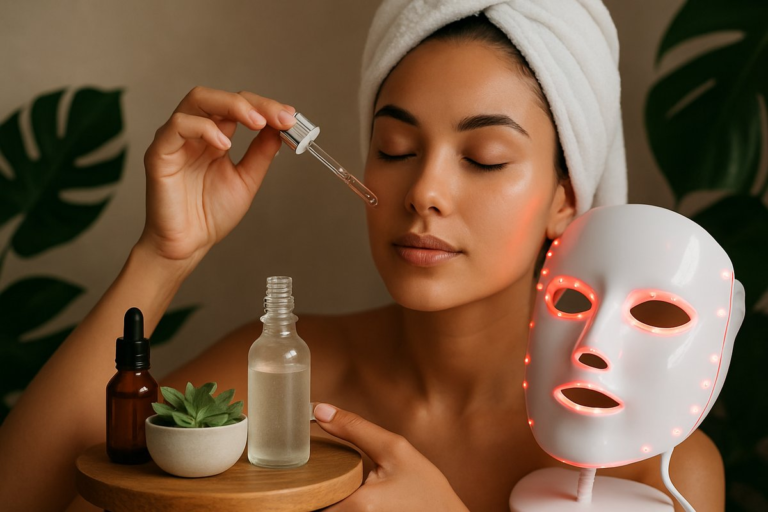
Part of neurocosmetics’ allure lies in its resonance with emotional intelligence and self-care. Rather than prescribing a one-size-fits-all regimen, many brands now encourage users to tune into their own body signals-pinpointing areas of tension, seeking out tactile cues like warmth or dryness, and responding with products designed to complement these sensations. The ritual becomes interactive: a drop of serum massaged into tense jawlines to quell stress-induced tension lines, or a mist applied to hot zones after a midday screen break to cool redness.
Crafting a routine that honors the mind-skin axis can be refreshingly simple. In the morning, a gentle cleanser removes overnight buildup without stripping natural oils. A neurocosmetic essence follows, delivering a base layer of calming peptides and adaptogenic extracts. SPF infused with thermo-responsive microcapsules ensures UV protection and prevents heat-triggered inflammation. At night, a heavier, barrier-support blend loaded with time-release neuroactives takes the stage, encouraging cellular repair while coaxing nerve receptors into a state of restorative calm.
Clinical trials continue to refine our understanding of neurocosmetics. In one recent study involving over a hundred participants, a cream containing a proprietary neuropeptide blend showed a 35 percent reduction in perceived skin tightness and a 28 percent decrease in redness after four weeks of daily use. Subjective reports of relaxation and improved sleep quality were also noted, suggesting that skin-focused neuroactives may have knock-on benefits for overall well-being.
Dermatologists and neuroscientists are collaborating more closely than ever. Workshops and symposiums gather experts in peptide chemistry, neurobiology, and cosmetic formulation to share insights. Among the most exciting developments is the potential to combine wearable sensors with skincare: devices that track skin temperature, humidity, and even micro-electrical impulses, then release neuroactive boosters in real time. While still in prototype stages, such systems hint at a future where skincare truly listens and responds as dynamically as our own bodies.
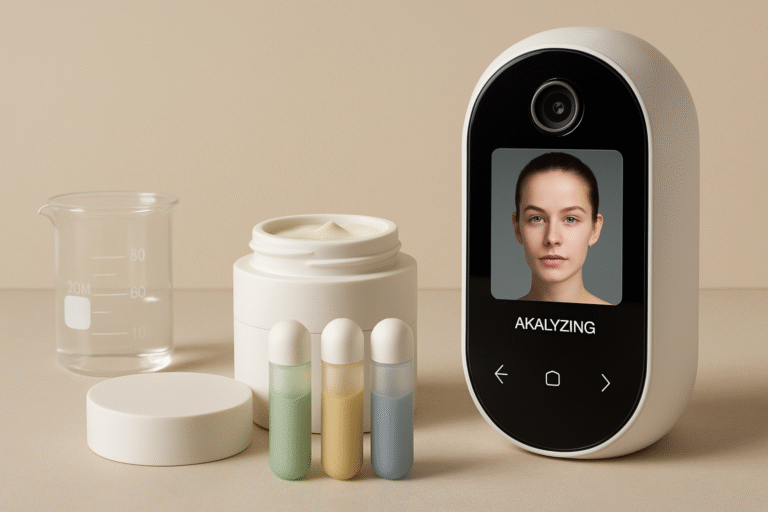
Looking ahead, personalization will likely become the norm. AI-driven diagnostic tools can analyze high-resolution images of skin texture and nerve-related flare patterns, offering custom ingredient blends tailored to an individual’s sensory profile. Imagine an app that asks how you feel on a given day-stressed, sluggish, overheated-and then dispenses the corresponding neurocosmetic formulation through a connected device.
At its heart, neurocosmetics represents more than a fleeting trend. It’s an invitation to view beauty through a holistic lens, where mental state, sensory perception, and cellular health converge. As consumers become savvier about the links between stress, sleep, and skin outcomes, demand will only grow for formulas that bridge that gap. In embracing the mind-skin conversation, we foster not just a glowing complexion, but a deeper connection to the rhythms that animate our bodies and our lives.