Location
Mount Vernon, WA 98274
Location
Mount Vernon, WA 98274


As digital life becomes more layered and interwoven with the physical world, fresh social phenomena are reshaping how we connect, collaborate, and cultivate community. From time-limited chat rooms to AI-matchmaking platforms, emerging trends are redefining the boundaries of privacy, sustainability, and shared experience.
We’re witnessing a subtle but profound shift in how people gather, share, and spark change. Online spaces are becoming more fluid, momentary, and purpose-built, while offline meetups reclaim the spontaneity and warmth of earlier communal rituals. Today’s social currents prioritize presence over permanence, values over virality, and local impact over global clout. This is not a simple return to the pre-digital era, but a layered reinvention of connection-one that blends push notifications with paper invites, encrypted messaging with public installations, and algorithmic matchmaking with neighborhood block parties.
One of the most striking phenomena is the rise of ephemeral communities-groups that exist for hours or days rather than years. Apps and platforms championing time-limited content, like disappearing images and auto-expiring chat rooms, tap into our craving for authenticity and in-the-moment engagement. By removing the pressure of archiving every thought, these environments encourage people to show up as they are, with less concern for curation or fear of digital permanence. Brands and organizers are experimenting with pop-up social experiences that vanish as quickly as they arrive, prompting participants to live fully in a fleeting window of genuine connection.
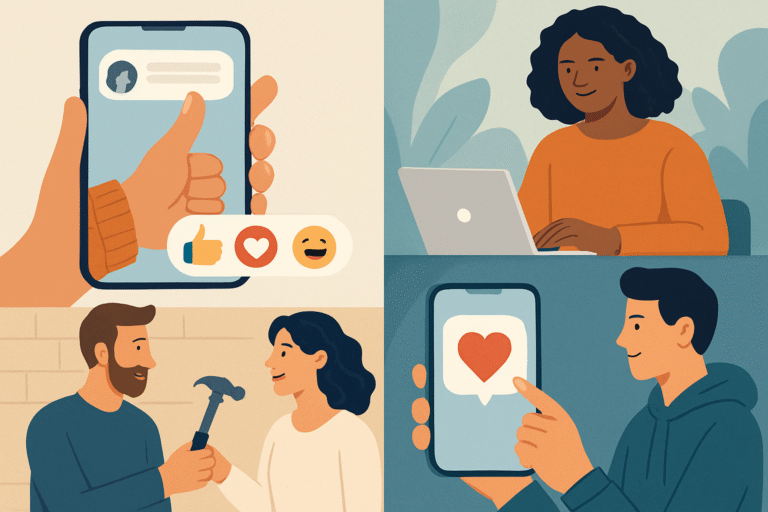
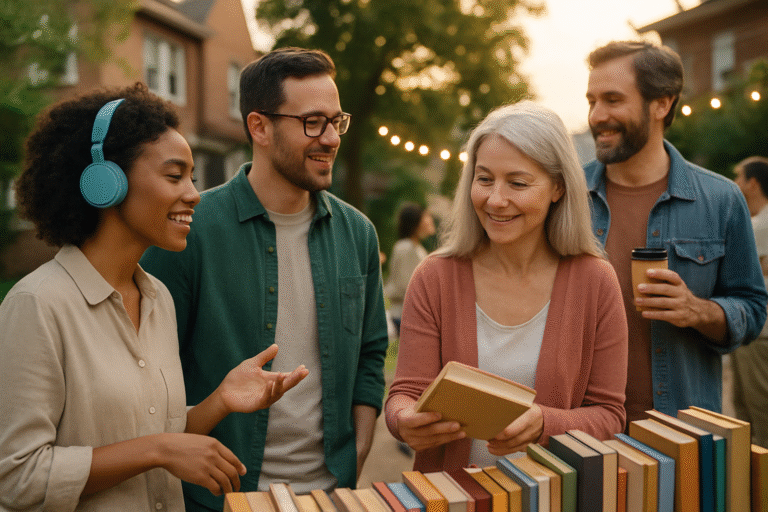
Across city blocks and rural town centers, hyperlocal digital hubs are forging new real-world ties. Neighborhood platforms and community‐focused apps let residents share practical updates-like free produce swaps or bike‐repair meet-ups-without ceding control of personal data to giant social networks. These micro‐networks champion privacy by using encrypted channels or privacy-first design, ensuring local chatter stays among neighbors. The result? A resurgence of grassroots action that begins in an app but blossoms on stoops, porches, and parks.
Behind the scenes, smart algorithms and AI matchmaking are quietly seeding interest-based micro-communities of astonishing specificity. Whether you’re a fan of medieval textile crafts, nocturnal bird-watching, or urban foraging, algorithm-driven recommendation engines steer you toward niche groups where shared curiosity fuels collaboration. Moderators and community managers lean into emotional intelligence training to foster inclusive spaces, using sentiment-analysis tools to flag toxicity before it spreads. This blend of human empathy and machine efficiency offers a glimpse of social platforms that care for community health rather than attention metrics alone.
Gamification has morphed from simple badges and leaderboards into immersive social experiences. Digital scavenger hunts woven into city streets, neighborhood-wide walking challenges that sync with fitness apps, and location-based AR quests show how play can be a powerful glue for community bonding. In one city, a weekend “Urban Harvest Hunt” invited residents to locate hidden seed packets and share plant progress online, marrying sustainability with adventure. By turning civic engagement into a cooperative game, organizers tap into the ancient human love of storytelling, competition, and collective achievement.
In parallel, digital activism has shed its mass-broadcast image, pivoting toward smaller, encrypted cells that prioritize trust and reliability. Activists organizing around social justice or climate resilience often use secure messaging tools, ephemeral group chats, and micro-donation platforms to coordinate low-key, high-impact actions. Instead of viral hashtags that fade within days, these groups build long-term solidarity through consistent, local gestures-like community cleanups, mutual aid exchanges, and policy workshops held in hybrid digital-physical formats.
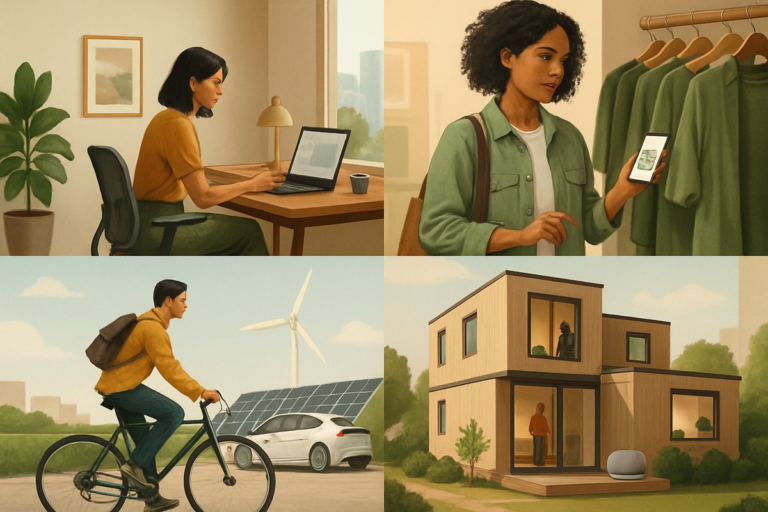
The sustainability movement is also finding fertile ground in today’s social substrate. Shared consumption networks-where users lend, swap, or co-own goods-have moved beyond peer-to-peer marketplaces to integrated social experiences. Clothing swap parties orchestrated via social feeds, tool libraries managed through mobile apps, and community solar co-ops recruited via private chat groups illustrate a collective desire to reduce waste and price out exclusivity. These digital forums make resource sharing feel personal and purposeful, framing reuse as both a social activity and a moral statement.
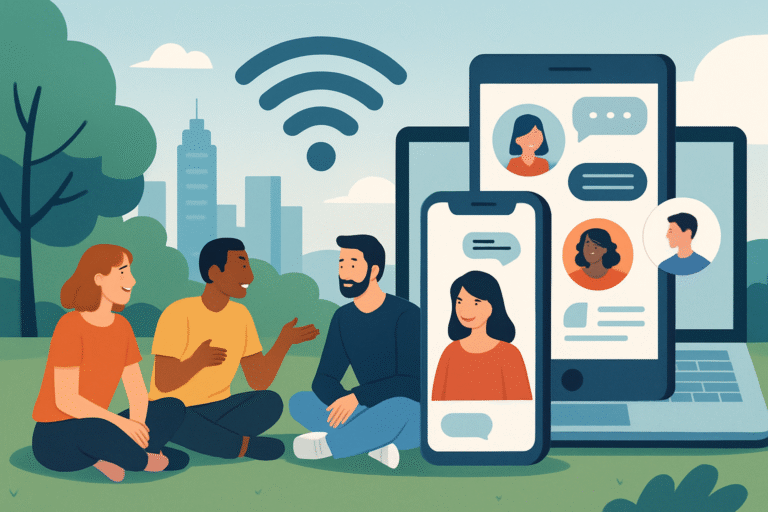
Hybrid events that blend virtual attendance with local hubs have become a staple for everything from industry summits to creative workshops. Participants might join a global livestream while gathering at a neighborhood co-working space to network face-to-face in small circles. Hosts use portable projectors and Wi-Fi routers in community centers or outdoor plazas, ensuring high-quality streaming without sacrificing the magic of in-person exchange. These models democratize large-scale gatherings by lowering travel barriers and carbon footprints, while still offering the serendipity of hallway conversations and impromptu coffee breaks.
Data privacy and digital well-being have emerged as core values in this evolving ecosystem. More users are demanding platforms adopt default encryption, transparent data-use policies, and minimal-data collection. In response, new tools promise features like self-destructing group chats, local-only file storage, and opt-in analytics that celebrate curiosity without exploiting it. By embedding privacy safeguards at every layer, designers are rewriting social software to prioritize human dignity over ad revenue.
At the same time, emotional intelligence is being woven into community management frameworks. Facilitators train in conflict resolution, anti-bias techniques, and empathetic listening to keep discussions constructive. AI-powered sentiment analysis complements human moderators, detecting tension early and suggesting pre-emptive interventions. This marriage of tech and touch underscores a larger trend: social success is measured not by follower counts but by resilience, inclusion, and genuine rapport.
For individuals and administrators hoping to ride these currents, a few practical steps can turn insight into action. Experiment with ephemeral content tools-try hosting a one-day virtual salon or audio chat that dissolves at midnight. Cultivate micro-events in your neighborhood, from seed-swap pop-ups to digital-detox sunrise yoga gatherings. Lean on privacy-first messaging apps to coordinate group projects, and consider open-source platforms for shared consumption networks. If you’re organizing a hybrid meetup, invest in portable AV equipment and designate local hosts who can create warm, in-person touchpoints for remote guests.
The social landscape is more porous and dynamic than ever, inviting curiosity and creativity at every turn. As digital and analog continue to converge, we’re gaining new tools to craft meaningful, values-driven connections that respect privacy, uplift sustainability, and honor emotional well-being. Whether you’re an organizer, a community builder, or simply someone eager to explore, this moment offers endless possibilities to reshape the social contract-one blink-and-you’ll-miss-it moment of shared discovery at a time.
What happens next will be guided by the choices we make today: to value presence over permanence, to center marginalized voices, and to treat data stewardship as an act of care. By embracing nimble, purpose-led communities-both online and off-we can chart a future of connection that feels less like a feed and more like home.