Location
Mount Vernon, WA 98274
Location
Mount Vernon, WA 98274


Urban landscapes are entering a new era where sustainability, digital innovation, and community engagement converge to reshape how we build and live. From biophilic facades and adaptive reuse to AI-driven planning and modular construction, architects and planners are pioneering resilient, inclusive, and human-centered neighborhoods. This article examines key trends, case studies, and practical strategies driving this transformation.
Urban landscapes are undergoing a quiet revolution as architects and city planners embrace a new ethos that prizes adaptability, sustainability, and human connection. Gone are the days when glass and steel monoliths defined our skylines without regard for the people walking below. Today’s approach to urban development blends advanced digital tools, nature-based design, and community collaboration to forge cities that can evolve with shifting needs and climate realities. This transformation is driven by a recognition that the built environment shapes quality of life, economic opportunity, and ecological health in ways never before fully appreciated.
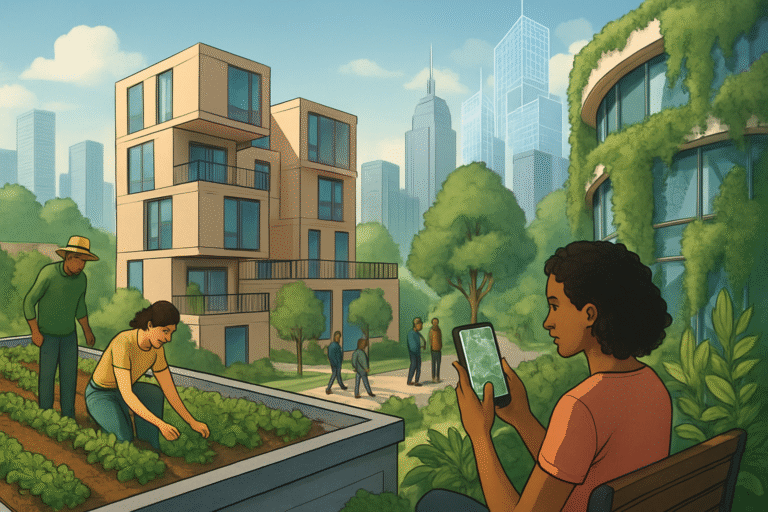
Human-centered design now anchors many projects, emphasizing pedestrian-friendly streetscapes, mixed-use neighborhoods, and public art integrated into daily life. Rather than segregating functions into distinct zones, developers are creating districts where living, working, shopping, and leisure overlap organically. Sidewalks lined with local businesses lead naturally to shared parks, while rooftop gardens and terrace cafes add layers of social space. These interventions make it easier for residents to walk or bike instead of driving, reducing traffic and fostering a sense of belonging that extends beyond mere real estate value.
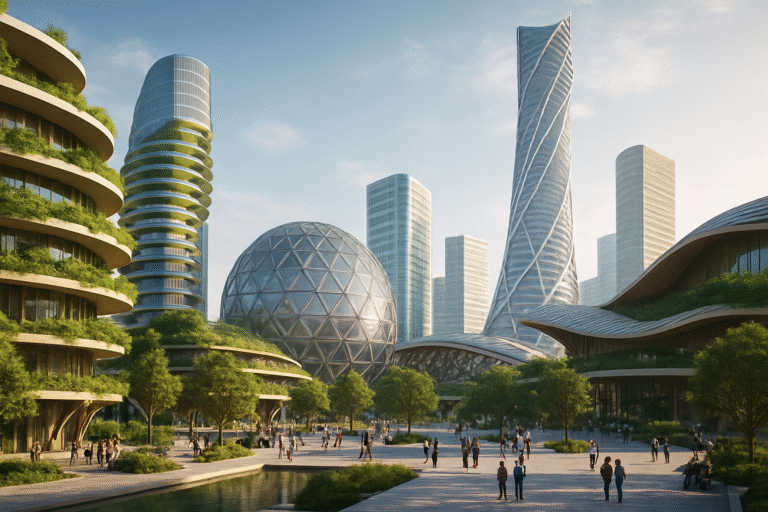
A growing movement within the profession champions biophilic architecture, which brings plants, water features, and natural patterns into building designs. From facade systems that support ivy and vining species to interior gardens that filter air and uplift spirits, the goal is to reconnect urban dwellers with essential ecological processes. Studies have shown that access to greenery in workplaces and homes can boost cognitive performance, reduce stress, and even speed recovery after illness. By weaving living matter into concrete and steel, architects are forging resilient ecosystems that benefit both inhabitants and biodiversity.
On the digital front, cities are harnessing powerful simulation tools and sensor networks to craft more informed plans and monitor performance in real time. Digital twins, virtual replicas of physical infrastructure, allow teams to test traffic patterns, energy flows, and emergency scenarios before construction begins. Meanwhile, distributed sensors embedded in roads, streetlights, and wastewater systems feed anonymized data into cloud platforms, alerting engineers to maintenance needs or environmental concerns. This convergence of connectivity and analytics accelerates decision making, reduces costly mistakes, and offers a transparent record that communities can access and interrogate.
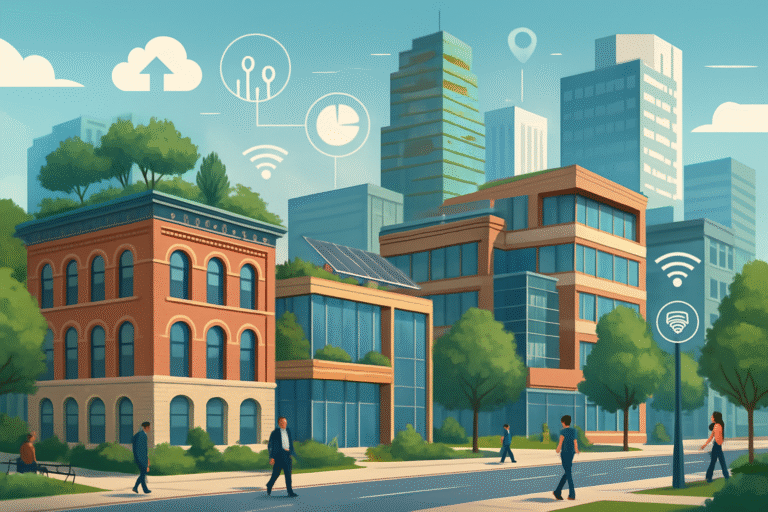
Adaptive reuse has emerged as a key strategy for sustainable urban growth, turning disused warehouses, factories, and even old malls into vibrant hubs. Rather than demolishing and rebuilding, developers work with existing structures to conserve embodied energy and preserve cultural memory. In one landmark project, an early twentieth-century brick factory was transformed into co-working studios, craft workshops, and artisanal food markets, anchored by a central courtyard that hosts weekly concerts. Such conversions knit new life into aged bones, reinforcing a layered urban narrative that respects the past while embracing current needs.
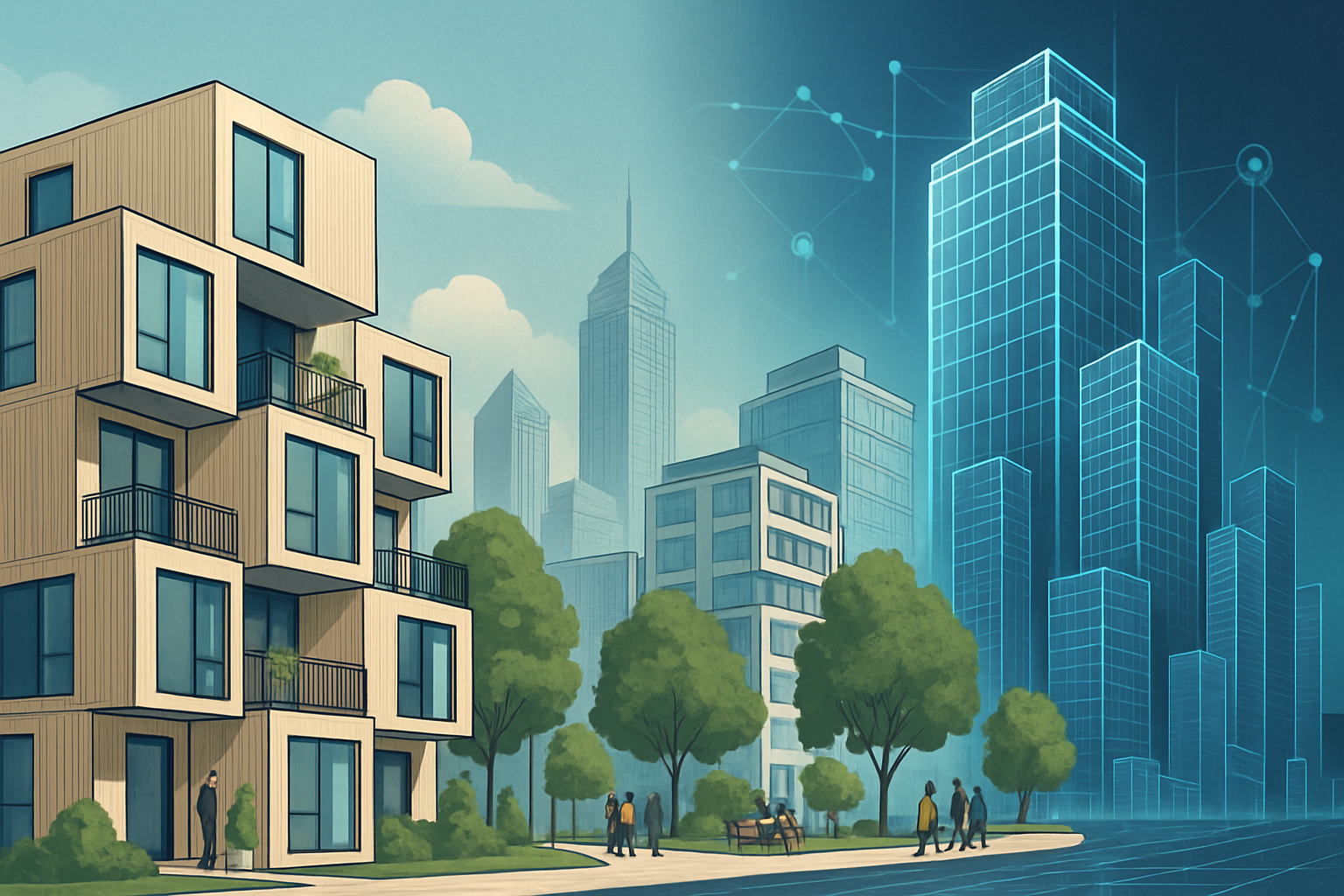
Modular and prefabricated construction techniques are also gaining traction as ways to speed delivery, cut waste, and reduce onsite disruption. Individual housing units, bathroom pods, or facade panels are manufactured in controlled facilities, then assembled like building blocks on location. This process slashes construction time by up to half, lowers labor costs, and minimizes exposure to weather delays. Importantly, modular designs can be disassembled and reconfigured later, giving buildings a second life and allowing neighborhoods to adapt to changing demographics without leaving behind unusable shells.
A central tenet of progressive urban development is genuine community engagement from project inception through post-occupancy evaluation. Planners are partnering with neighborhood groups, local entrepreneurs, and artists to co-design spaces that reflect the unique character of each district. Community workshops, mobile charrettes, and virtual reality walkthroughs empower residents to shape street widths, public art, and programming at the block level. This inclusive process not only yields more vibrant places but also builds trust and accountability, key ingredients for long-term resilience and social cohesion.
Open streets initiatives and tactical urbanism experiments have demonstrated how low-cost, temporary interventions can reveal demand for permanent change. Simple paint, planters, and borrowed seating can convert an unused parking lane into a cafe row or play street over a weekend. When residents enjoy the result, officials often commit to more enduring infrastructure like bollards, decking, and lighting. These tactical tests reduce risk by letting communities live with proposed changes before dedicating capital. They also encourage ongoing stewardship, as neighbors take pride in maintaining pop-up parks and seating areas.
Rethinking mobility lies at the heart of many regeneration schemes, with car-light and car-free zones expanding across city cores. New networks of cycle lanes, scooter docks, and electric bus rapid transit systems interlace districts once dominated by high-speed traffic. Mobility hubs bring together shared bike storage, ride-hail pickup points, and micro-fulfillment lockers, streamlining last-mile connections. Equipping streets with smart lighting and dynamic signage enhances safety after dark while giving operators data to optimize service frequency. This multimodal fabric reduces emissions, improves access, and reclaims asphalt for people.
Material innovation plays a critical role in shrinking the carbon footprint of construction. Researchers and manufacturers are rolling out low-embodied carbon concrete mixes, cross-laminated timber panels, and recycled composites made from construction waste. Some startups are culturing biodegradable insulation from algae or agricultural byproducts, while others are developing photocatalytic coatings that break down air pollutants on building surfaces. By specifying these next-generation materials, project teams can slash embodied emissions by 30 to 70 percent compared with conventional counterparts, a crucial step toward net-zero urban districts.
Energy systems are likewise undergoing a metamorphosis as microgrids, on-site renewable generation, and smart battery arrays proliferate. Mixed-use developments now often include solar canopies over parking lots, small wind turbines atop rooftops, and geothermal loops hidden beneath landscaping. Integrated energy management platforms smooth out peaks by shifting consumption through connected heat pumps or electric vehicle chargers. In some cases, buildings produce more energy than they consume, channeling surplus into district grids. These distributed systems boost resilience during extreme weather and reduce reliance on centralized power plants.
Effective governance frameworks have become essential to align public and private efforts in urban transformation. City planners and policymakers are updating zoning codes to allow greater density, mixed uses, and adaptive reuse without lengthy variances. Performance-based standards replace prescriptive rules, giving designers room to innovate while still meeting environmental and safety objectives. Public-private partnerships help finance large infrastructure projects, spreading risk across stakeholders and unlocking capital from impact investors focused on social and climate returns. Transparent reporting requirements ensure accountability and give citizens opportunities to weigh in.
Across the globe, inspiring case studies illustrate how these concepts coalesce in practice. In a northern European port city, a former shipping yard was remade into floating housing clusters powered by solar decks and anchored with sensors that monitor water quality. The wooden structures rise and fall with changing tides, providing climate adaptation in a landscape prone to flooding. Public docks, green promenades, and cultural venues weave buoyant neighborhoods directly into the waterfront. This maritime model offers a blueprint for delta regions facing rising seas and intensifying storms.
In another example, a metropolitan research hub in a Nordic capital deploys a comprehensive digital twin to coordinate expansion of transit corridors and public parks. Data from construction teams, transportation agencies, and citizen feedback loops converge in a dynamic simulation platform that forecasts noise, pollution, and pedestrian flows. When proposed tram lines threaten to bisect an established quarter, the model reveals alternative alignments that ease congestion while preserving historic block patterns. Such data-first strategies ensure that ambitious growth respects local context and minimizes unintended disruptions.
Looking ahead, the fusion of artificial intelligence, robotics, and immersive design promises to accelerate progress even further. AI-driven generative design tools can churn out hundreds of massing options based on specified sustainability targets, cost constraints, and social indicators. Robotic construction arms can then 3D print structural elements or lay bricks with millimeter precision, lowering costs and expanding access to custom solutions. Immersive headsets allow planners and communities to step inside proposed spaces weeks or months ahead of ground-breaking. As these technologies mature, they hold the potential to democratize high-quality design on a global scale.
The current wave of architectural innovation and urban development is defined by collaboration between disciplines, sectors, and communities, all united around shared aspirations for healthier, more inclusive cities. By weaving together nature, data, and modular flexibility, tomorrow’s neighborhoods will be more resilient to climate shocks, more responsive to demographic shifts, and more attuned to human well-being. The blueprints emerging today are not static monuments but living frameworks, designed to evolve and adapt over decades. In this unfolding story, residents, designers, and civic leaders each have a role to play in shaping environments that reflect collective imagination and stewardship.