Location
Mount Vernon, WA 98274
Location
Mount Vernon, WA 98274


Cities are under pressure from climate change, population growth, and social inequity. This article explores innovative approaches in urban design-from adaptive reuse and modular construction to digital twins and green infrastructure-that are reshaping the way we build resilient, human-centered environments.
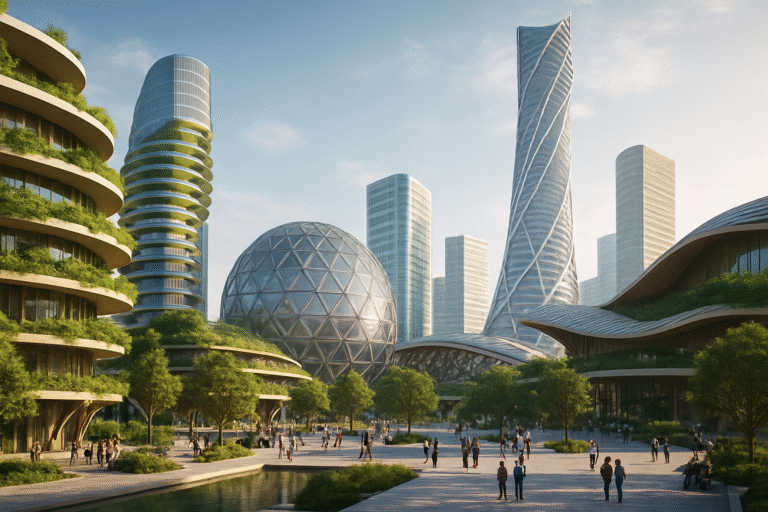
As urban populations continue to swell, architects and planners face a rapidly evolving set of challenges. Rising sea levels, more frequent heat waves, and intensifying storm events demand a fresh approach to the way cityscapes are conceived and constructed. At the same time, inequality within urban areas underscores the need for designs that foster inclusivity and social cohesion. To meet this moment, a new generation of design strategies is emerging-one that blurs the lines between nature, technology, and community. This paradigm shift moves beyond the traditional blueprint, embracing a layered methodology that integrates ecological corridors, sensor networks, and modular building elements into a unified whole.
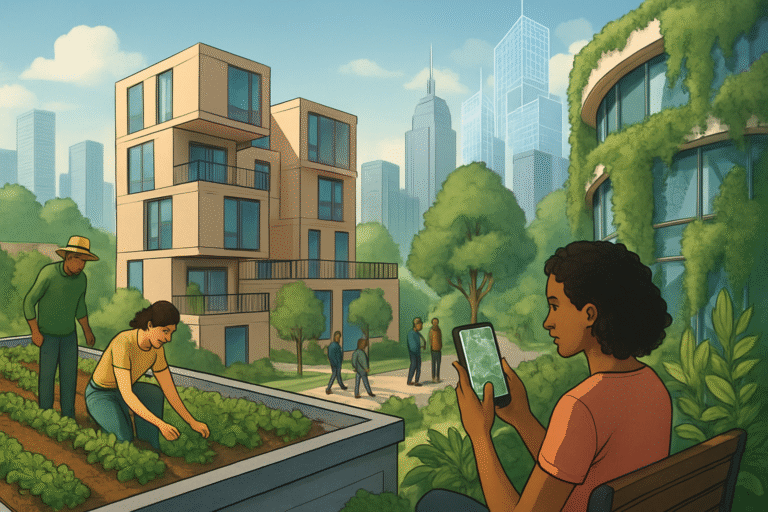
Across the globe, pioneering projects are demonstrating how green infrastructure can become the backbone of climate resilience. Rain gardens and bioswales are capturing stormwater before it floods streets, while urban forests planted along transit routes help cool concrete canyons by up to 10 degrees Fahrenheit. In one northern European city, permeable pavement has been installed across a network of plazas to absorb excess rainfall during heavy winter downpours. Meanwhile a subtropical metropolis has deployed a string of green roofs over mid-rise residential blocks, reducing indoor temperatures and cutting energy use by nearly 20 percent during the hottest months. These living systems not only manage water and heat, but also create habitats for pollinators and reconnect residents with the natural cycles of their region.
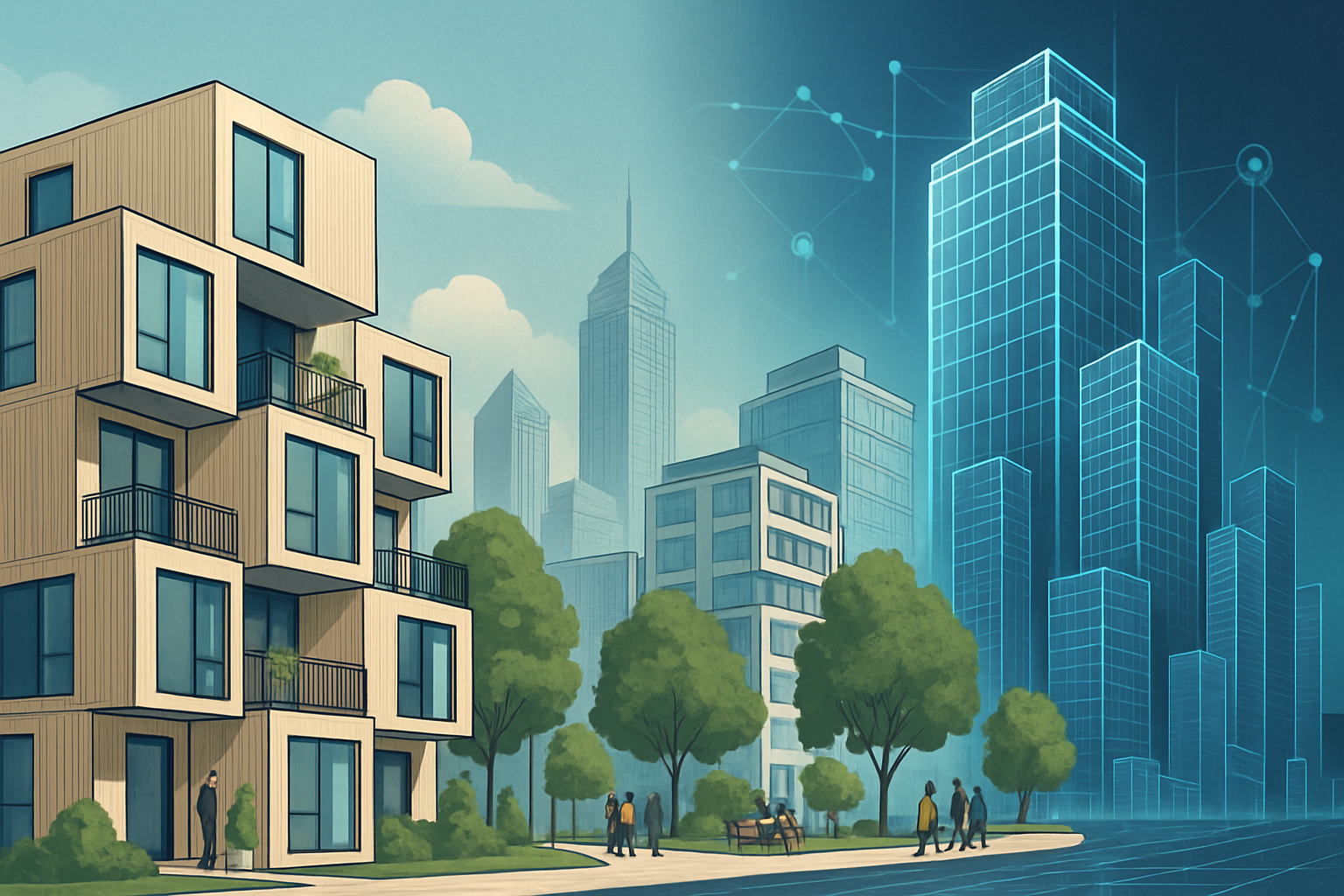
Modular design and adaptive reuse are carving out a second wave of flexibility in urban construction. In former warehouse districts, shipping containers are being reconfigured into pop-up housing, artistic studios, and community markets, proving that off-the-shelf components can deliver both speed and affordability. Steel and timber modules fabricated in factories arrive on site ready for assembly, slashing construction time by up to 50 percent compared with traditional methods. When neighborhoods need to grow or contract, these units can be expanded, relocated, or repurposed without demolishing entire buildings. This plug-and-play model encourages a circular economy by extending the life cycle of materials and reducing waste, while providing short-term solutions for emerging housing needs and cultural activities.
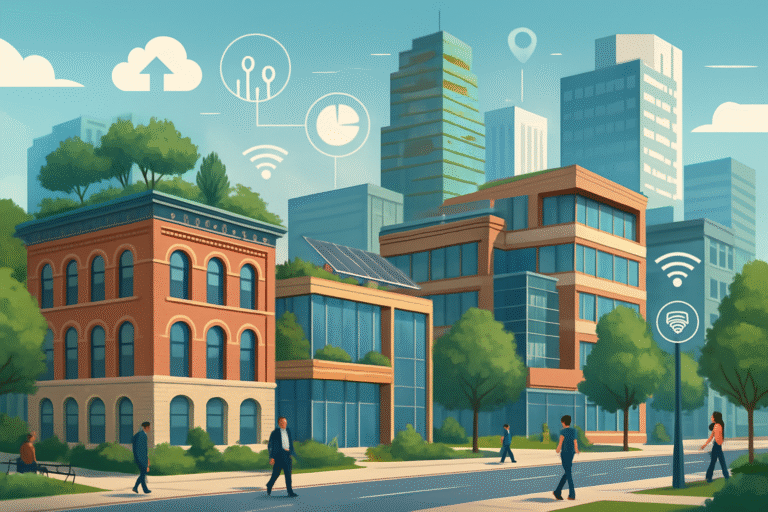
Digital platforms are transforming how plans are tested, refined, and communicated. Real-time data feeds from sensors embedded in streets and structures enable architects to monitor air quality, structural stress, and pedestrian flows around the clock. In a major Asian city, a municipal digital twin-an exact virtual replica of the urban grid-allows planners to run simulations of flood events, traffic adjustments, and new transit lines before committing to physical changes. By layering demographic and environmental data, design teams can predict hot spots for heat stress, identify underserved areas lacking green space, and calibrate building orientations for optimal daylighting. This level of insight empowers decision makers to allocate resources more precisely, anticipate maintenance needs, and engage communities with immersive visualizations of proposed transformations.
Despite the high-tech veneer, the human dimension remains at the core of successful urban interventions. Participatory planning workshops bring residents into the design process, ensuring that projects respond to local needs and cultural identities. Tactical urbanism experiments-such as temporary plazas painted on asphalt or parklets built in curbside parking spots-invite residents to test ideas in real time and offer feedback on what works. In one Mediterranean city, a series of community hackathons gathered hundreds of volunteers to redesign street corners, resulting in new seating areas, micro-gardens, and gamespaces tailored to each neighborhood’s character. By involving people directly, architects cultivate a sense of ownership and build trust that large-scale changes will be welcomed rather than resisted.
Material innovation is also playing a critical role in lowering the environmental footprint of new construction. Cross-laminated timber is rising in popularity as a renewable alternative to concrete and steel for mid-rise developments, offering superior carbon storage and a warm, tactile finish that resonates with biophilic design principles. Researchers have developed low-carbon concrete mixes using recycled glass, slag, and industrial byproducts, cutting cement emissions by up to 40 percent. Reclaimed brick, stone, and timber from decommissioned structures are finding second lives in new façades and interior accents. Together, these strategies demonstrate that durability and aesthetics need not come at the expense of planetary health.
Waterfront redevelopments reveal how old infrastructure can be reborn for contemporary needs. Along decommissioned wharves, elevated pedestrian promenades and tidal pavilions have been introduced to adapt to fluctuating water levels while preserving views of the harbor. Beneath these new boardwalks, engineered wetlands filter run-off before it returns to the bay, reducing pollution and supporting biodiversity. In another port city, former shipping terminals have been converted into mixed-use hubs where light manufacturing, housing, and cultural spaces coexist on floating platforms-flexing upward or downward as river levels change. Such projects underscore the potential of adaptive reuse at the urban scale, weaving historical layers into a living, responsive environment.
Looking ahead, artificial intelligence and generative design are poised to accelerate breakthroughs in form and function. Algorithms can now iterate thousands of design options in a fraction of the time it takes a human team, optimizing layouts for energy performance, daylight access, and structural efficiency. Machine learning models trained on sensors embedded in smart buildings refine HVAC schedules to minimize energy consumption without sacrificing comfort. Meanwhile, blockchain-based platforms are being explored to streamline procurement of sustainable materials, creating transparent supply chains that reward low-carbon producers. As these digital tools mature, they will bring an unprecedented level of precision to performance-driven architecture, ushering in a future where buildings not only respond to their environment, but also learn from it.
For architects, planners, and civic leaders eager to translate these cutting-edge concepts into reality, a few practical steps can set projects on the right path. Begin by deploying a network of low-cost environmental sensors to gather baseline data on air quality, noise levels, and thermal comfort. Test pilot modules of prefabricated units in underused urban lots to refine logistics and community acceptance before rolling them out at scale. Host open-air workshops and neighborhood walks to map out priorities and generate localized design briefs that reflect resident input. Seek out construction materials with verified environmental certifications or recycled content, even if they carry a modest premium-early adoption often unlocks bulk-purchase savings and supply-chain partnerships. Finally, establish feedback loops with post-occupancy evaluation tools to track how spaces perform over time and guide future iterations with empirically grounded insights.
In an era defined by rapid change, the blueprint is no longer a static document bound in ink and paper. Instead, it has become a living framework that evolves in response to shifting environmental conditions, technological breakthroughs, and human aspirations. By weaving together green infrastructure, modular methods, digital platforms, and community engagement, next-generation urban architecture is redefining what it means to build for resilience, equity, and delight. As more cities embrace these strategies, they will unlock new pathways toward vibrant, adaptive, and regenerative urban systems that can thrive well into an uncertain future.