Location
Mount Vernon, WA 98274
Location
Mount Vernon, WA 98274

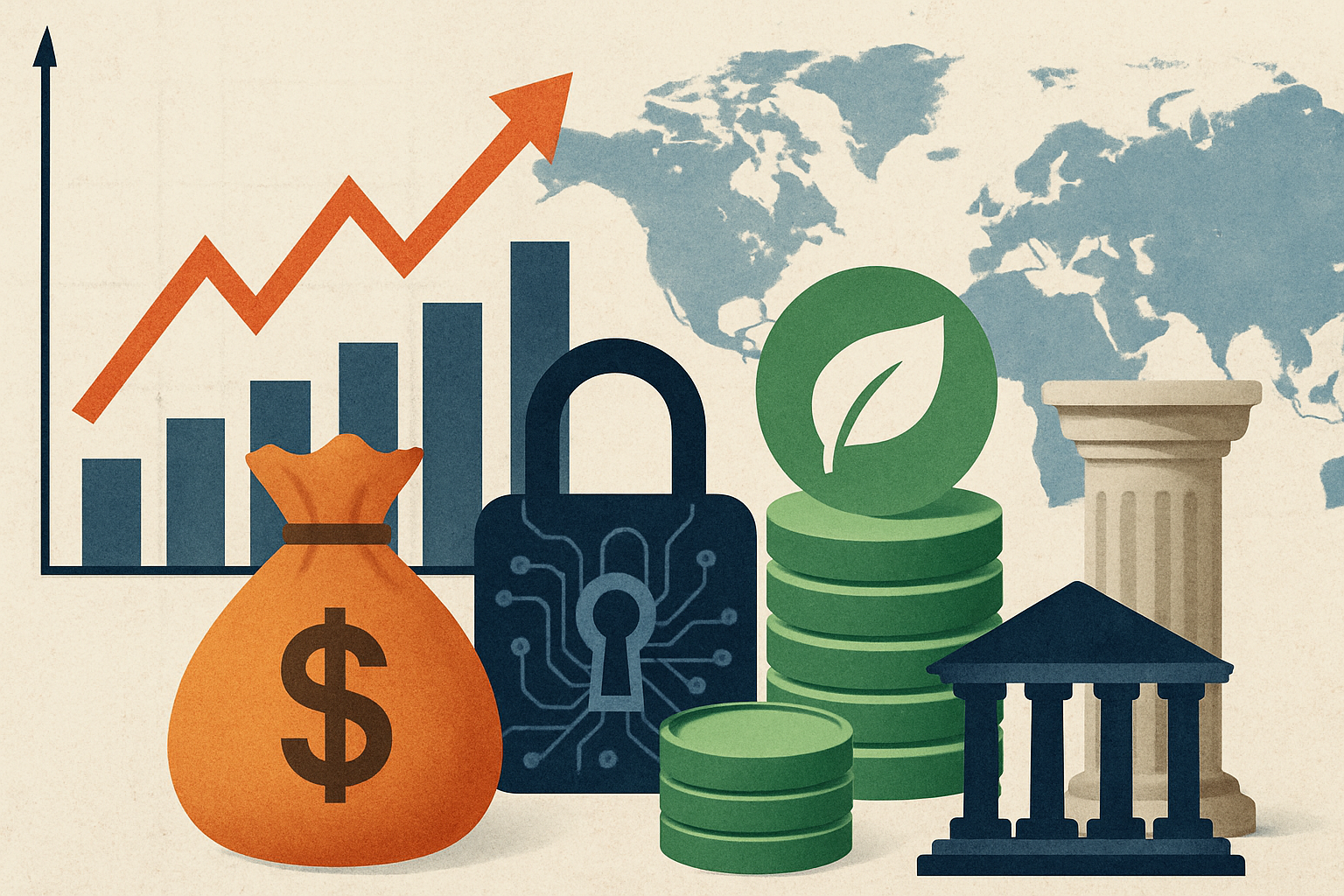
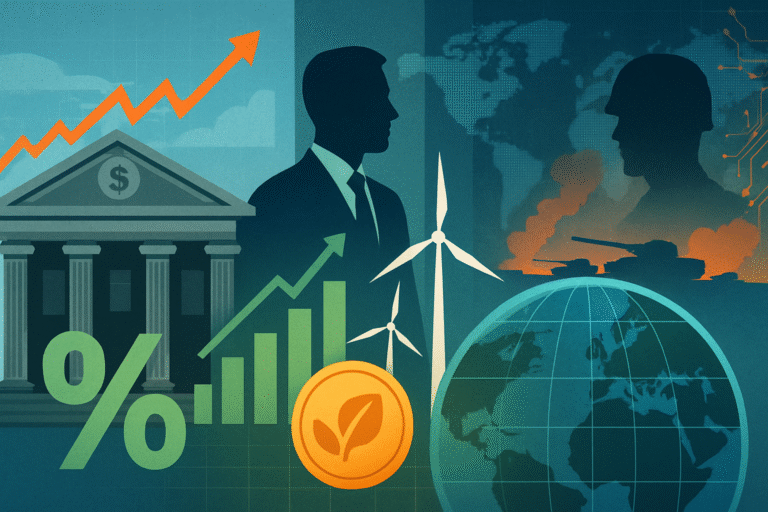
As global markets wrestle with persistent inflation and tightening credit conditions, investors and policymakers alike are recalibrating strategies to adapt to shifting dynamics. From the rise of green bonds to the exploration of central bank digital currencies, we examine the interplay of economic forces shaping the path forward.
Across the world, economies are navigating an intricate web of challenges that range from lingering price pressures and disrupted supply chains to the emergence of novel digital instruments. Central banks have taken center stage, adjusting policy tools in search of a delicate balance between reining in inflation and sustaining growth. At the same time, private actors are experimenting with sustainable finance and blockchain-based solutions, forging a landscape where resilience and renewal must coexist.
Credit conditions have grown noticeably tighter in recent quarters. After a prolonged period of ultra-low interest rates, many lenders now demand higher spreads and more rigorous covenants. Corporations seeking fresh capital have responded by extending debt maturities, shifting toward fixed-rate structures, or tapping alternative sources such as private credit funds. While these moves shield borrowers from near-term refinancing risk, they also heighten the cost of future rollover and underscore the need for enhanced liquidity management.
Small businesses and mid-sized companies have felt the strain most acutely. With bank lending standards at their strictest in over a decade, some enterprises struggle to finance inventory or cover payroll fluctuations. Policymakers are exploring targeted programs that channel support into underserved sectors, combining loan guarantees with technical assistance on working capital optimization. By focusing relief on firms that demonstrate sound governance and sustainable practices, authorities aim to promote both stability and long-term viability.
Inflation remains a focal point for households and investors alike. Core consumer prices continue to run above historical averages, driven by elevated housing costs, energy market shifts, and intermittent supply disruptions. Even as some service sectors show moderation, goods prices remain sticky. In response, reserve managers have signaled patience in waiting for clear disinflationary signals before loosening the stance. This approach acknowledges the asymmetric risks of loosening too soon versus tightening too late.
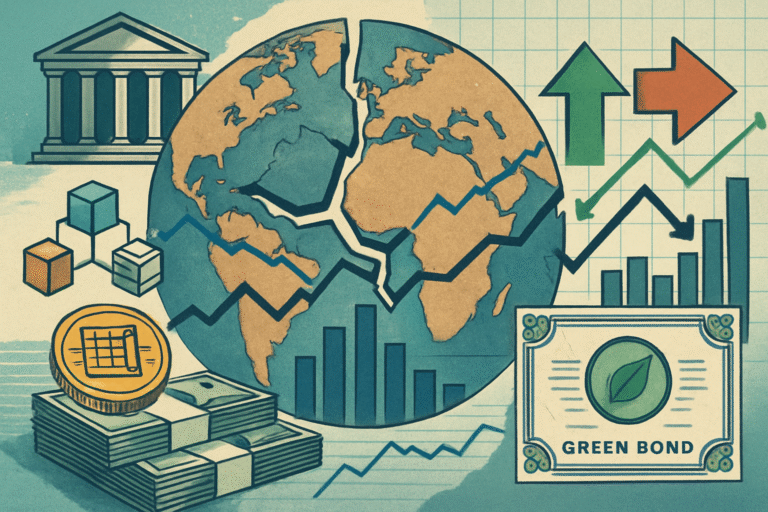
One of the more transformative trends is the accelerating shift toward sustainable finance. Green bonds have moved beyond niche status, with issuance volumes climbing as governments and corporations alike commit to net-zero targets. Innovative instruments such as sustainability-linked loans now tie borrowing costs directly to measurable environmental or social benchmarks. This creates a powerful incentive mechanism, aligning cost of capital with progress on greenhouse gas reduction or workforce diversity.
Impact investors, meanwhile, are demanding greater transparency and standardized reporting. Third-party frameworks help quantify carbon footprints and social outcomes, but fragmentation persists. Industry bodies and regulators are collaborating on taxonomy guidelines, aiming to prevent greenwashing and ensure that capital flows into truly impactful projects. For corporates, embedding sustainability metrics into risk management models has become a competitive imperative, especially as stakeholder scrutiny intensifies.
On the digital frontier, central bank digital currencies (CBDCs) are attracting widespread exploration. Pilot programs in several regions have demonstrated the potential to enhance payment efficiency, reduce settlement costs, and expand financial inclusion. A tokenized digital currency could enable instantaneous cross-border transfers, bypassing legacy correspondent networks. Yet significant design questions remain around privacy protections, interoperability standards, and the role of commercial banks in a token-based monetary system.
Private sector innovation in payments has also surged. Real-time rails, mobile wallet convergence, and programmable money applications are reshaping retail and wholesale transactions. Financial institutions are partnering with fintech firms to develop embedded finance solutions, integrating lending and insurance into everyday consumer experiences. The challenge for regulators is to foster competitive dynamism without sacrificing consumer safeguards or systemic resilience.
Geopolitical tensions and shifting trade alliances add another layer of complexity. Regions are reevaluating supply chain dependencies, moving toward near-shoring or friend-shoring strategies for critical goods. While this trend promises greater security and reduced vulnerability to external shocks, it may also introduce inefficiencies and higher production costs. Companies must weigh the trade-off between resilient networks and margin compression, using scenario planning to identify optimal sourcing models.
Emerging markets are not immune to these shifts. Many carry elevated debt burdens and rely on external funding at variable rates. As global yields rise, capital flows have become more volatile, and some currencies face depreciation pressures. Countries that invest in digital infrastructure, strengthen fiscal frameworks, and deepen local capital markets stand a better chance of weathering these headwinds. International institutions are stepping up technical support and contingent financing facilities to help stabilize vulnerable economies.
For investors, diversification remains the bedrock of a resilient portfolio. Beyond traditional equities and bonds, allocation to real assets-such as infrastructure projects or renewable energy installations-can provide an inflation hedge and stable cash flows. Private credit strategies, long considered the domain of institutional players, are becoming more accessible through pooled vehicles that democratize exposure to direct lending markets. Meanwhile, thematic exchange-traded funds offer targeted access to themes like clean technology or digital transformation.
Risk management must also evolve. Scenario analysis and stress testing now routinely incorporate non-linear shocks, including abrupt policy shifts, cyber disruptions, or environmental catastrophes. Stress scenarios that bridge macroeconomic, climate, and operational factors reveal interdependencies that traditional models might overlook. By integrating multi-dimensional analytics, firms can pinpoint vulnerabilities and develop contingency playbooks before a crisis unfolds.
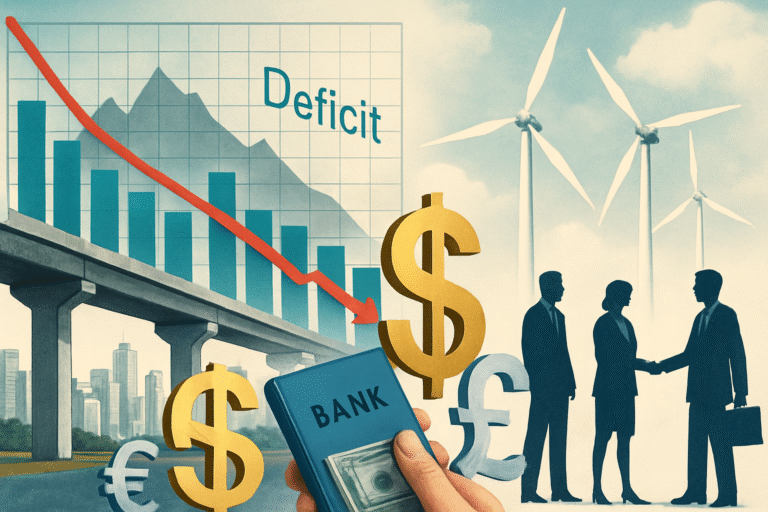
On the policy side, coordination across monetary, fiscal, and regulatory domains is essential. Looser fiscal impulses can offset overly tight financial conditions, but only if backed by credible medium-term plans to stabilize debt ratios. Regulatory authorities are revisiting capital and liquidity standards to ensure banks have sufficient buffers in a higher-rate environment. Close dialogue with market participants helps calibrate requirements so that resilience objectives do not stifle credit provision.
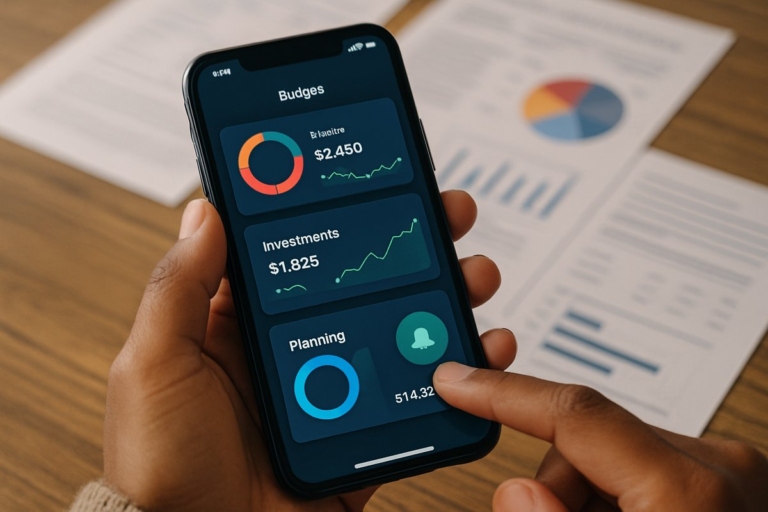
Amid these transformations, financial literacy remains a foundational challenge. Households confronted by record-high borrowing costs and complex product offerings must navigate a labyrinth of risk disclosures and fine-print clauses. Public and private sector initiatives are expanding digital education platforms, gamified learning modules, and community outreach programs. Empowering consumers with the knowledge to make informed decisions not only promotes individual well-being but also supports macroeconomic stability by curbing overleveraging and speculative excess.
Looking ahead, the interplay of resilience and renewal will define the next chapter of economic progress. Breakthroughs in artificial intelligence, green technology, and distributed ledger systems hold immense promise but also usher in new uncertainties. The key lies in building adaptive frameworks that can accommodate innovation while safeguarding against unintended consequences. Stakeholders across the spectrum-governments, corporations, civil society, and households-must engage in continuous dialogue, testing hypotheses and iterating solutions in real time.
Ultimately, the financial landscape is being reshaped by forces that transcend traditional cycles. Instead of a binary choice between austerity and stimulus, the path forward is one of dynamic calibration. By embracing risk management practices that incorporate sustainability metrics, digital infrastructure investments, and diversified funding sources, economies can pursue growth that is both robust and responsible. Renewal, in this context, is not a one-off event but a continuous journey of adaptation and learning.
For decision-makers and market participants alike, the message is clear: prepare for an environment where certainty is scarce and change is constant. Anchoring strategies in fundamental principles-sound governance, transparency, and inclusive growth-provides a steady compass amid shifting currents. As we chart this course, resilience becomes the foundation upon which renewal can flourish, offering a blueprint for sustainable prosperity in an increasingly complex world.