Location
Mount Vernon, WA 98274
Location
Mount Vernon, WA 98274

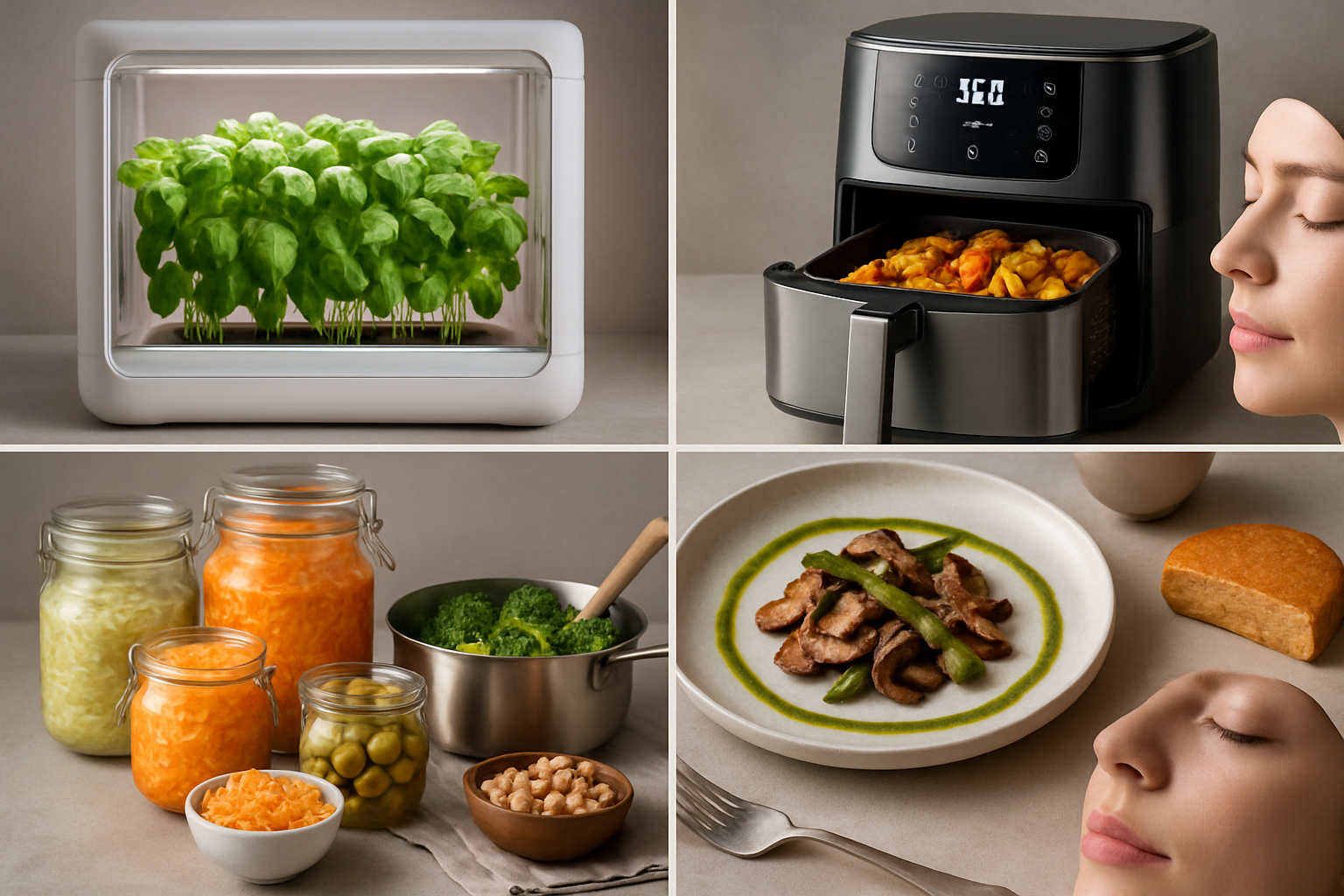
From hyper-local growing to smart appliances and zero-waste techniques, the culinary world is undergoing a fresh wave of innovation. Discover how fermentation, multisensory dining, alternative proteins, and mindful cooking are forging new paths for chefs and home cooks alike.
Culinary innovation isn’t confined to high-end restaurants or glossy cooking shows anymore. A new generation of home cooks, food entrepreneurs and sustainability advocates are reshaping what we eat and how we prepare meals. The convergence of environmental concerns, digital technology and a renewed curiosity for global traditions is creating a fresh landscape where every kitchen becomes a laboratory for taste, health and responsible consumption. These emerging trends not only reflect the desire for flavorful experiences but also speak to deeper values of community, emotional well-being and planetary stewardship.
One of the most exciting directions in modern cooking is the embrace of hyper-local ingredients. Urban farms, vertical growing towers and even windowsill herb gardens are popping up in city apartments and suburban backyards. This shift toward small-scale production taps into a craving for transparency, freshness and connection. Growers are using hydroponic and aeroponic systems to cultivate leafy greens, micro-herbs and edible flowers year-round. Farmers’ markets and local co-ops are collaborating with restaurant chefs to highlight ingredients harvested hours before they reach the plate. The result is produce that retains peak flavor and nutrition while reducing the carbon footprint associated with long-distance shipping.
Parallel to the hyper-local movement is the fermentation renaissance. Ancient preservation techniques have found fresh relevance among home cooks eager to explore flavors that develop over weeks and months. Jars of kimchi, sauerkraut, miso and kombucha rest on kitchen counters, transforming simple vegetables or sweet teas into probiotics-rich condiments and beverages. Specialty fermentation kits with airlock lids, pH strips and culture starters make it easy for beginners to dive in. Beyond taste, studies show that a diet incorporating fermented foods may support healthy gut microbiomes, bolster immune function and even influence mood through the gut-brain axis.
If taste is only one dimension of the dining experience, multisensory cooking elevates meals into immersive journeys. Cooks are pairing specific soundtracks with each recipe, dimming lights or projecting visual patterns onto tabletops to complement the aromas drifting from the oven. Augmented reality apps can overlay plating guides onto a smartphone camera view, helping users arrange garnishes with a chef’s precision. Even simple gestures-like tinkering with the clink of glassware or the silkiness of a sauce-become intentional acts that heighten awareness of texture and aroma. This approach channels emotional intelligence into the kitchen, inviting cooks and diners to slow down, savor each bite and connect more deeply with their senses.
Technology is transforming everyday cooking tasks through AI and smart appliances. Connected ovens now monitor internal temperatures with built-in cameras, adjusting heat settings in real time to prevent overcooking. Voice-activated recipe assistants suggest ingredient substitutions based on pantry inventory logged in a companion app. Meal-planning platforms harness machine learning to generate shopping lists that minimize waste and accommodate dietary preferences. As these tools become more accessible, home cooks can focus less on logistical hurdles and more on creative exploration. The key lies in balancing data-driven precision with human intuition-letting algorithms handle timing and consistency while the cook remains the ultimate arbiter of taste.
Alternative proteins are leaping from research labs into mainstream kitchens as more consumers seek low-impact options. Mycoprotein products derived from fungi offer a meat-like texture, while pea- and hemp-based burgers provide high protein with minimal environmental cost. Edible insect flours-made from crickets or mealworms-are finding their way into energy bars, pasta and baked goods, delivering complete amino acid profiles in compact, efficient packages. Lab-cultivated meat is still on the horizon, but pilot restaurants and specialty grocers are already featuring bite-sized test products. These innovations underscore a broader goal: feeding a growing global population without overtaxing land, water and energy resources.
Zero-waste cooking extends the ethos of sustainable eating beyond ingredient sourcing to how we use every part of the source. Carrot tops become pesto; broccoli stems transform into slaw; spent coffee grounds dry into exfoliating scrub. Vegetable peels can be dehydrated and ground into powder for natural food coloring, or steeped into vinegars and broths that add complexity to soups and sauces. Composting is a baseline practice, but the most adventurous home cooks embrace root-to-stem philosophies in daily meal prep. Workshops and online tutorials guide users through techniques such as water-lentils cultivation from cooking water, creating nut milks with leftover pulp and making umami-rich dashi from mushroom stems.
Cooking has always been linked to emotional well-being, but today’s focus on mindful food preparation emphasizes presence and intent. Many home chefs are turning weekly meal sessions into mini-rituals: lighting a candle, playing gentle music and approaching ingredients with curiosity rather than urgency. This practice of emotional intelligence acknowledges that how we cook can influence how we feel, fostering calm, gratitude and a sense of accomplishment. Journaling alongside recipes helps track evolving tastes and emotional responses-revealing which dishes bring comfort, which challenge us and which spark joy in sharing.
Sustainability in the kitchen goes hand in hand with mindful practice. A plant-forward eating pattern-where vegetables, legumes and grains form the plate’s foundation-reduces reliance on high-carbon animal products without demanding exclusivity. Seasonal buying cycles encourage cooks to explore local farmers’ markets and community-supported agriculture (CSA) boxes, resulting in menus that shift with spring asparagus, summer berries and autumn squash. Sustainable seafood guides and regenerative-farming certifications help consumers make informed choices when adding protein. Simple habits-like reusing glass jars, choosing recyclable packaging and shopping with reusable produce bags-contribute to a holistic lifestyle centered on less waste.
Another vibrant trend is the melding of global flavor traditions. African grains such as teff and fonio are starring in porridges and gluten-free baked goods. Southeast Asian herb blends-lemongrass, kaffir lime leaf and galangal-simmer in curries and broths beyond their regional origins. Middle Eastern spice mixes like zataar and baharat are sprucing up roasted vegetables and flatbreads. These cross-cultural fusions foster curiosity and break down barriers between home cooks and unfamiliar ingredients. Online cooking platforms and social media channels feature approachable tutorials, demystifying techniques like grinding spices, tip-toeing into unfamiliar produce and balancing sweet, sour, salty and bitter notes.
Digital communities and collaborative learning are accelerating skill-sharing at every level. Virtual cook-alongs led by chefs in remote kitchens, crowdsourced recipe repositories with photo step-throughs and themed hashtag challenges encourage both novice and experienced cooks to experiment. Local supper clubs, neighborhood potlucks and ingredient-swap meetups bridge online enthusiasm with offline camaraderie. These forums not only elevate culinary know-how but also reinforce the social dimension of food. Exchanging tips on pestering a sourdough starter or troubleshooting a plant growth chamber becomes a shared victory that strengthens bonds.
For home cooks ready to tap into these trends, the first steps are both practical and imaginative. Start an indoor herb garden kit with LED grow lights to experiment with fresh chives, basil and cilantro. Try a countertop fermentation starter that includes glass jars, weighted lids and culture packets for kefir grains or kimchi paddings. Invest in a precision digital thermometer or a Wi-Fi-enabled smart probe to nail the perfect roast or sous-vide steak. Bookmark an AI-powered meal-planning app to reduce leftovers and discover new flavor combinations based on what you already own. Sample alternative protein products in small batches alongside familiar dishes to see which fit your palate best.
At its core, the current wave of culinary trends is about empowerment: giving cooks the tools, knowledge and confidence to create meals that satisfy the senses, nourish the body and honor the planet. Innovation is no longer the province of elite kitchens alone. Each apartment balcony, community plot and countertop bench can become a frontier for taste, texture and technique. Whether you’re building a compost pile in a small garden, orchestrating a candlelit fermented-food dinner or trusting an AI-assisted oven to take the guesswork out of timing, these trends invite you to personalize your journey. Let curiosity and care guide your approach, and you’ll cook with more intention, experiment with greater ease and savor every discovery along the way.