Location
Mount Vernon, WA 98274
Location
Mount Vernon, WA 98274

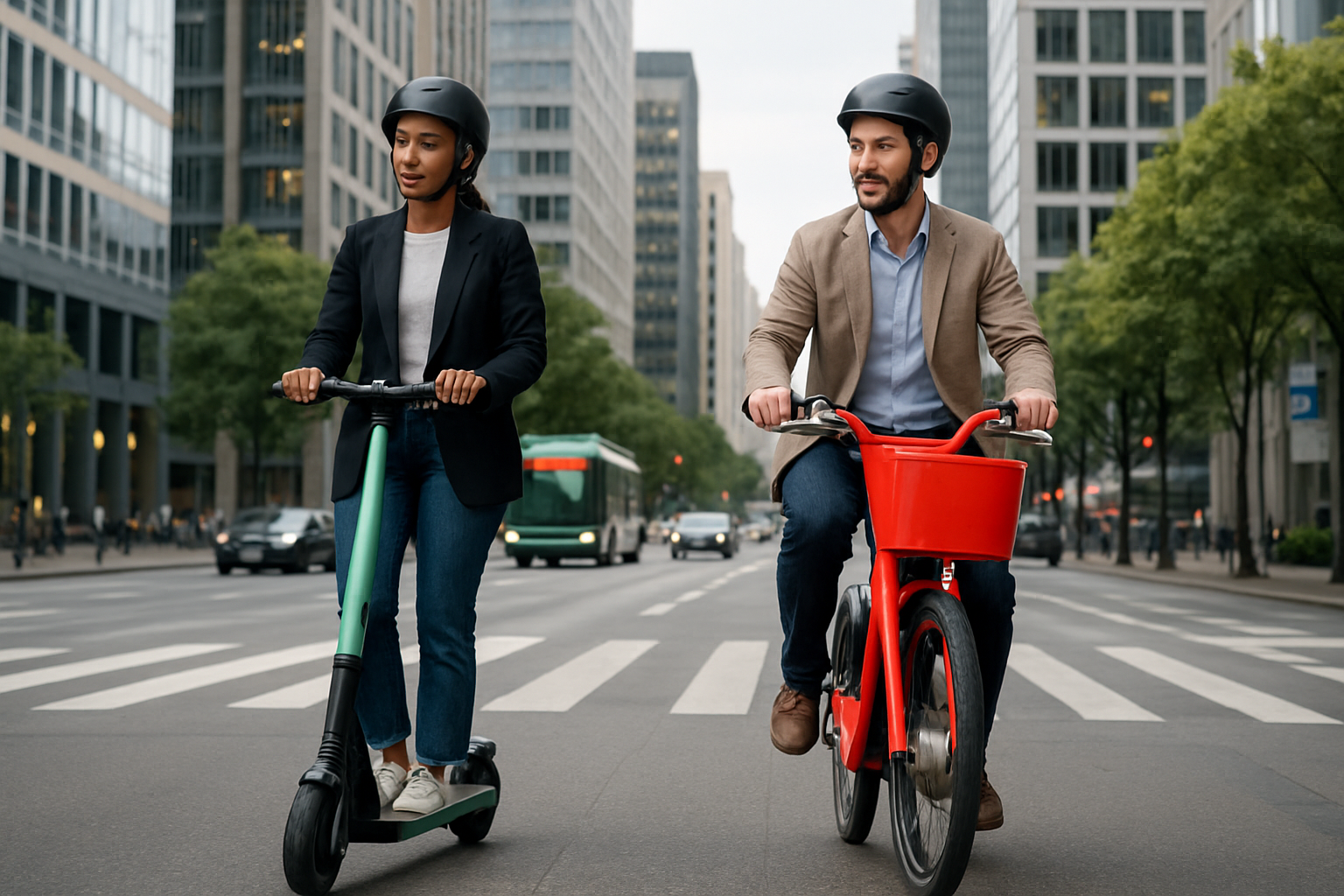
Cities worldwide are embracing electric scooters and bikes as they seek greener, more flexible ways to move people through dense streets. Surging adoption rates, new safety initiatives, and public-private partnerships signal that micro-mobility could redefine urban transit over the next decade.
Cities around the globe are witnessing a surge in electric micro-mobility options-dockless e-scooters, shared e-bikes, and personal electric bicycles-that promise to transform the daily commute. As municipal authorities grapple with traffic congestion, air pollution, and shrinking budgets for large-scale infrastructure projects, micro-mobility has emerged as an agile solution. Recent figures from shared mobility platforms indicate year-over-year growth of nearly 45 percent in ride numbers, highlighting an accelerating shift toward lightweight, electric-powered transit on two wheels.
At the heart of this movement is a drive for sustainability. Transportation accounts for roughly a quarter of global greenhouse gas emissions, and congested city centers contribute disproportionately to air quality challenges. Electric micro-mobility devices boast zero tailpipe emissions, lower energy consumption per mile, and reduced noise pollution. In several European capitals, local governments have rolled out subsidies for residents who register personal e-bikes, while in North American cities, operators have partnered with utility companies to install solar-powered charging stations that integrate seamlessly with existing street furniture.
However, adoption has not been without growing pains. Rapid deployment of dockless scooters in some urban cores led to sidewalk clutter, safety concerns for pedestrians, and confusion over right-of-way rules. In response, a number of cities have introduced geo-fencing to limit parking in pedestrian zones and designated micro-mobility lanes to segregate e-scooters and e-bikes from both vehicles and foot traffic. These digital boundaries adjust in real time, slowing vehicles in high-density areas and ensuring that devices remain charged only at approved docking points.
Regulation has kept pace in many regions. City councils have convened special task forces to address licensing requirements, speed limits, and data sharing mandates. In one recent initiative, a major West Coast city mandated that all micro-mobility operators share anonymized trip data to help planners identify congestion hotspots and optimize traffic signal timing. This kind of evidence-based policymaking underscores the value of public-private collaboration and reflects a broader trend toward data-driven urban management.
On the user side, convenience and affordability remain top priorities. Subscription models that cap daily ride costs encourage repeat usage, while integrated transit passes enable seamless transfers between micro-mobility devices and buses or trains. One leading global platform has piloted a universal access card that works across multiple cities, allowing tourists and business travelers to tap a single credential. This interoperability reduces friction, simplifies the user experience, and fosters loyalty to shared mobility ecosystems.
Safety technologies have advanced alongside adoption. Modern e-scooters and e-bikes incorporate automatic speed stabilization, collision warning lights, and predictive braking systems. A handful of manufacturers now offer optional rear-view radar sensors that alert riders to approaching vehicles via handlebar vibrations. Combined with smartphone apps that display live maps of designated lanes and highlight low-traffic routes, these innovations boost rider confidence and help mitigate accidents.
Behind the scenes, city planners and operators are leveraging machine learning to analyze usage patterns. Predictive models forecast demand by time of day, weather conditions, and special events, enabling targeted redistribution of devices to high-need areas. With limited staff and ranges constrained by battery life, operators must balance supply across neighborhoods. Platforms that optimize robotic charging carts and dynamic rebalancing schedules report up to 30 percent gains in fleet utilization-translating to fewer out-of-service notifications and higher rider satisfaction.
Maintenance remains a critical challenge. Rugged urban conditions-potholes, curbs, and inclement weather-take a toll on micro-mobility hardware. Some cities have granted local bike-repair co-ops micro-franchises to service shared devices, injecting economic opportunities into underserved neighborhoods. Others have deployed networked sensors on each device to flag mechanical issues before a breakdown occurs, scheduling preventive repairs overnight and minimizing downtime.
The social equity dimension of micro-mobility is gaining fresh scrutiny. While dockless systems can reach inner-city communities more easily than fixed-station services, subscription fees and smartphone requirements pose barriers for low-income residents. In response, cities have launched subsidy programs tied to public assistance accounts, offering discounted or credit-based rides. Outreach efforts in multiple languages and partnerships with community organizations aim to raise awareness and ensure that micro-mobility access aligns with broader equity goals.
Looking ahead, manufacturers are testing swappable battery modules to extend device range and reduce charging labor. Some personal e-bike models now feature quick-release battery packs that riders can drop off at neighborhood charging lockers powered by renewable energy. In a handful of pilot zones, charging lockers double as parcel pickup points, streamlining last-mile deliveries and reducing courier traffic.
Beyond personal transit, micro-mobility is influencing urban design. Cities are rethinking street allocations, converting curb parking into floating stations and turning former traffic lanes into protected bike boulevards. In one North European city, a major arterial road was repurposed entirely for micro-mobility and public buses, resulting in a 20 percent drop in travel times during peak hours and significant improvements in air quality readings.
Despite rapid advances, some analysts caution against overestimating micro-mobility’s reach. Weather-dependent usage, limited cargo capacity, and regulatory patchwork across jurisdictions continue to pose obstacles. Yet even modest substitutions for car trips-especially in central business districts-can yield outsized benefits in terms of congestion relief and emissions reductions.
For urban administrators and transit advocates, the challenge now is to weave micro-mobility into a coherent, multimodal network. That requires investment in infrastructure, alignment on safety standards, and a regulatory framework that encourages innovation while safeguarding public spaces. As cities evolve, the ability to adapt policies and embrace collaboration will determine whether e-scooters and e-bikes remain a fringe novelty or become foundational pillars of next-generation transit.
A decade from now, riders look set to choose from a palette of micro-mobility options-some lightweight and portable for short hops, others sturdier for longer commutes. Emerging battery chemistries and modular designs promise quieter devices with longer ranges and easier maintenance. Combined with smart city platforms that integrate transit schedules, parking availability, and real-time environmental data, electric micro-mobility could be the linchpin that connects end-to-end journeys without ever firing up an internal-combustion engine.
The road ahead involves more than new hardware. It calls for a mindset shift among city officials, private operators, and individual riders who must adapt to shared use, embrace data-driven insights, and invest in community education. When these pieces come together, electric micro-mobility will deliver on its promise: a cleaner, healthier, more resilient urban future where short errands and daily commutes are as breezy as a ride on two electric wheels.