Location
Mount Vernon, WA 98274
Location
Mount Vernon, WA 98274

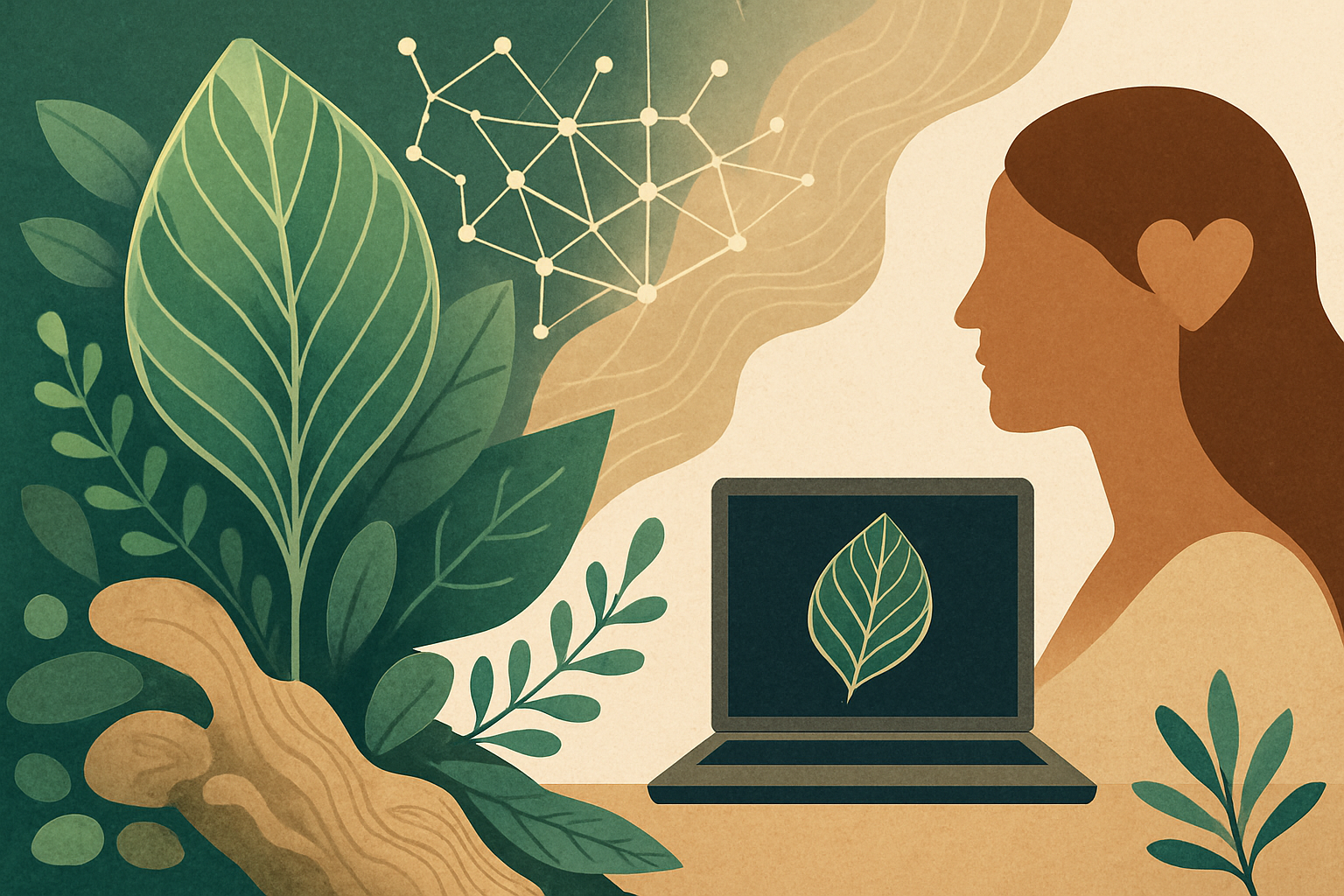
Emerging creative practices are fusing natural forms, generative intelligence, and ethical values to reshape visual environments. This exploration uncovers how biophilic principles, machine learning, and emotional awareness are driving a new era of art and design that prioritizes sustainability, privacy, and human connection.
The boundaries between art and design are dissolving as practitioners draw on living systems, algorithmic processes, and empathetic frameworks. In studios and labs around the world, moss walls meet projection mapping, generative routines study natural growth patterns, and interactive installations respond to individual gestures without harvesting sensitive data. The result is a fertile terrain where curiosity fuels innovation and responsibility guides every brushstroke and line of code.
Artists and designers are turning toward living architectures to reconnect built environments with ecology. Biophilic design principles go beyond adding potted plants or green walls. They translate fractal geometry, natural rhythms, and microbial ecosystems into form and function. Studio collectives cultivate algae biofilms as self-healing pigments, while textile artists embed mycelium threads into fabrics that adapt to humidity. By observing diurnal light cycles, soundscapes derived from forest recordings, and root growth patterns, designers craft spaces that shift subtly throughout the day, restoring calm and promoting focus in workplaces, galleries, and public plazas.
Parallel to this resurgence of organic influence, generative intelligence tools are empowering creators to explore unprecedented visual territories. Open source routines analyze vast image libraries to propose textures, palettes, and compositions tied to natural phenomena. Yet with rising awareness of data privacy, ethical workflows emphasize small curated datasets, transparent model parameters, and on-device processing. This approach gives artists full control over their creative assets and ensures user interactions remain confidential. Workshops now teach practitioners to build lightweight generative engines that run offline, fostering both autonomy and sustainability.
Immersive environments are also adopting principles of emotional intelligence. Motion sensors and subtle haptic feedback enable installations to adapt to audience mood without storing personal data. Soft lighting responds to the collective energy in a room, while modular soundscapes morph when participants move through designated zones. By prioritizing nonintrusive sensing methods and real-time processing, these spaces remain rich in interactivity but free from persistent user profiles. The effect is a sense of mutual respect between artwork and observer, inviting genuine engagement rather than passive consumption.
Material innovation continues to advance responsible practice in tangible form. Beyond recycled plastics and reclaimed wood, designers explore pigment alternatives grown in bioreactors, plant-based adhesives that biodegrade harmlessly, and fabrics spun from agricultural byproducts. Collaborations between material scientists and designers have yielded algae-derived inks that change hue with pH shifts, ceramic composites infused with ground oyster shell, and lightweight aggregates produced from volcanic ash. These developments illustrate how sourcing materials from waste streams and living systems not only reduces environmental impact but also sparks fresh aesthetic possibilities.
Inclusion and accessibility also guide contemporary art and design. Creative tools now feature adjustable interfaces for neurodiverse and physically disabled users, with voice directives, adaptive controls, and tactile augmentations. Studios host community hackathons where participants co-design assistive installations that translate gestures into visual scores or transform ambient sounds into vibrant projections. Such initiatives emphasize empathy, dismantling barriers between creator and audience and ensuring diverse perspectives shape the future of design.
For emerging designers seeking to blend nature with code, practical strategies are within reach. Start by observing natural processes in your own surroundings. Sketch patterns found in leaves, waves, or mineral veins and scan these drawings to build custom brushes in digital painting software. Experiment with machine learning frameworks that allow low-code customization, focusing on small image sets you generate yourself. To integrate living materials, connect with local urban agriculture groups or makerspaces equipped for small-scale mycelium or algae cultivation. Document each experiment thoroughly, creating an open journal that others can remix and expand.
Community platforms are springing up to support cross-disciplinary collaboration. Online hubs offer modular design assets tagged by biophilic intent, privacy level, and material footprint. Contributors share field notes on sourcing local pigments, code snippets for adaptive lighting algorithms, and patterns for 3D printed plant pots. These repositories encourage remix culture, where a textile pattern informed by city tree canopies might inspire a generative visuals plugin or a responsive furniture prototype.
Looking ahead, the convergence of living systems, generative tools, and ethical considerations will continue to redefine creative practice. Hybrid residencies pairing ecologists with coders are emerging, enabling experiments in symbiotic installations that breathe, sense, and even repair environmental damage. Virtual and augmented realities will merge with real-world ecosystems through satellite data feeds and on-site sensors, creating layered experiences that shift with weather, migration patterns, or lunar cycles. At every step, transparency around data use and material impact will be nonnegotiable, ensuring art and design remain forces for regeneration.
As artists, designers, and curious learners venture into these uncharted territories, embracing both wonder and accountability is essential. Nurture your practice with living materials, craft your code with respect for privacy, and build bridges between disciplines. By weaving sustainability, empathy, and innovation into your process, you cultivate creative ecosystems that thrive in balance with human and nonhuman communities alike.
In this unfolding narrative of art and design, every choice resonates beyond the studio. Whether you explore algae-based pigments on a modest balcony lab or develop adaptive installations in a community center, your practice contributes to a larger tapestry of conscious creativity. Keep observing, keep prototyping, and above all, stay guided by curiosity and care. The canvas of tomorrow is open to all who approach it with a mindful hand and an adventurous spirit.