Location
Mount Vernon, WA 98274
Location
Mount Vernon, WA 98274


As central banks signal prolonged monetary tightening, investors and businesses face a rapidly shifting landscape of credit conditions, debt dynamics, and emerging digital assets. Balancing traditional strategies with sustainable finance and fintech solutions can unlock resilience and growth in this evolving economic era.
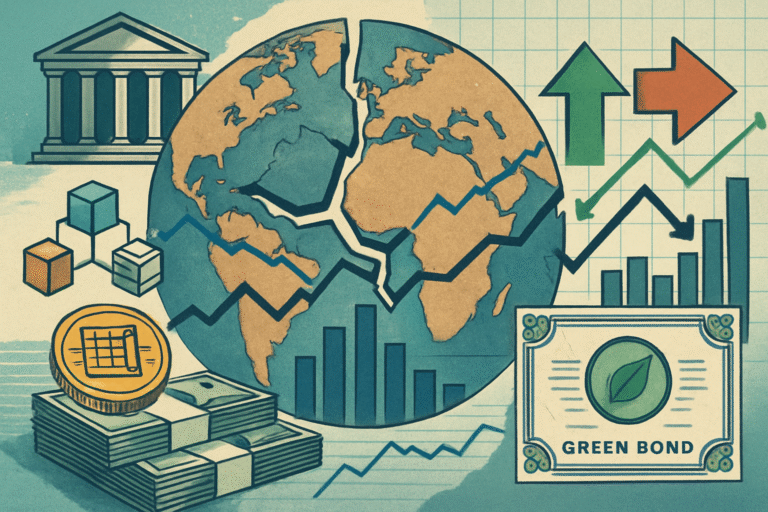
Global financial markets are entering a phase defined by tighter credit, mounting public and corporate debt, and the acceleration of digital finance innovations. After a decade of ultra-low interest rates and expansive monetary policy, central banks around the world are maintaining higher-for-longer rates to combat persistent price pressures and support currency stability. This shift is reshaping access to capital, recalibrating risk appetites, and sparking fresh debates over the role of environmental, social, and governance (ESG) criteria in portfolio construction.
For corporate borrowers and small businesses, the cost of capital is climbing. US commercial loan rates recently moved above 7 percent on average, while in parts of Europe some variable-rate corporate credit facilities now carry spreads that reflect concerns over a mild slowdown. These conditions challenge firms to optimize cash flow and streamline balance sheets. Practical measures include renegotiating revolving credit lines, prioritizing short-term maturities, and exploring alternative financing sources such as invoice factoring or supply-chain finance arrangements that can be more flexible than traditional bank loans.
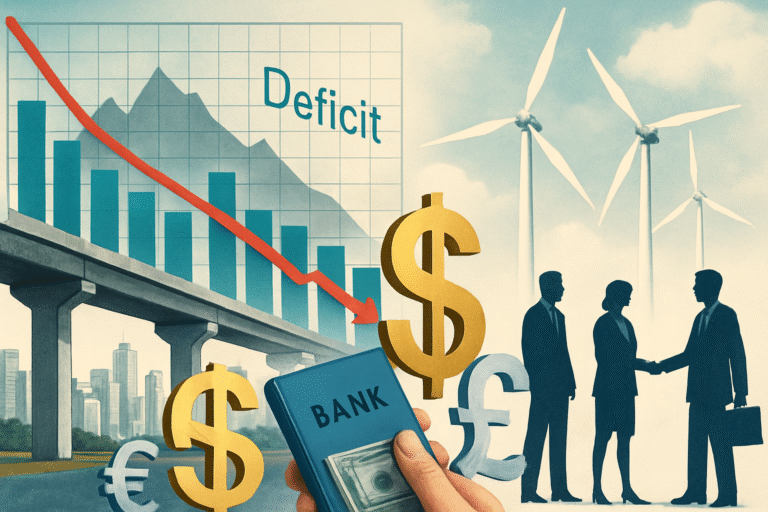
Meanwhile, governments in advanced economies are grappling with fiscal strains. Elevated social spending, infrastructure projects, and pandemic relief measures have pushed sovereign debt ratios toward or beyond pre-pandemic levels. In some cases, credit rating agencies have signaled weaker outlooks, prompting bond yields to rise further. Fiscal authorities are now weighing tax reforms, public-asset monetization, and targeted spending cuts to ensure debt remains sustainable without undermining growth. For investors, sovereign bonds are no longer a guaranteed diversifier; instead, selective exposure based on credit fundamentals and yield expectations is crucial.
On the household front, higher borrowing costs for mortgages, auto loans, and credit cards are prompting consumers to trim discretionary spending. Retail sales growth has cooled compared with the post lockdown rebound, and personal savings rates have edged down from pandemic highs. Financial advisors emphasize the importance of strengthening cash buffers and revisiting debt repayment plans-especially adjustable-rate debt-to shield budgets from further rate shocks.
Amid these traditional pressures, digital finance innovations continue to gain traction. Central bank digital currencies (CBDCs) are moving from pilot schemes into more advanced testing. Retail CBDC trials in Asia and parts of Europe are exploring programmable money features that could automate compliance and streamline cross-border remittances. At the same time, major payment networks are integrating tokenized assets, allowing institutions to trade securities with blockchain-based settlement that can cut transaction times from days to seconds. This evolution may reduce counterparty risk, increase transparency, and lower costs-provided that regulatory frameworks keep pace and interoperability challenges are addressed.
Cryptocurrency markets, however, are showing wider divergences. While established tokens struggle with volatility and regulatory headwinds, stablecoins pegged to fiat currencies are witnessing renewed interest for everyday payments and treasury management use cases. Corporate treasurers in sectors from technology to consumer goods are piloting stablecoin wallets to optimize liquidity management, though compliance with anti-money laundering and know-your-customer rules remains a key implementation hurdle.
Environmental, social, and governance considerations have moved from niche talking points to core investment criteria. Asset managers overseeing trillions in client assets are integrating ESG scores into fundamental research, with a growing number of bond issuers tied to sustainability targets. ‘Greenium’ effects-where issuers of labeled green and social bonds benefit from lower yields-have become more pronounced in certain markets. For investors, this underscores the value of dedicated ESG bond funds or thematic exchange-traded products that offer diversified exposure to issuers funding renewable energy, water-treatment infrastructure, or affordable housing.
But ESG investing is not free from pitfalls. Data quality and reporting inconsistencies can complicate portfolio due diligence. Firms that have leaned too heavily on external ESG ratings without deeper analysis sometimes face reputational risks when controversies emerge. To counteract this, best practices involve engaging directly with issuers on sustainability strategies, monitoring progress against explicit targets, and diversifying exposure across multiple geographies and sectors to mitigate concentration risks.
As credit conditions tighten, some investors are rediscovering the appeal of high-quality dividend-paying stocks as inflation hedges. Companies with strong free cash flow and moderate payout ratios can provide both income and potential capital appreciation. However, the valuation multiples of these names have not escaped market scrutiny-making thorough earnings analysis and scenario-based stress tests essential to avoid overpaying.
On the macroeconomic front, the interplay between fiscal and monetary policy will be critical to watch. In nations where public debt dynamics are more precarious, central banks face the delicate task of raising rates without exacerbating borrowing costs for governments. Should policymakers misjudge the balance, financial volatility could spike, contagion risks could grow, and the fallout might extend beyond borders, reminiscent-but not as severe as-the global financial crisis.
For multinational corporations, currency volatility is another key concern. With the US dollar maintaining a robust stance against major peers, earnings repatriation becomes more volatile, especially for earnings generated in emerging-market currencies. Strategies to hedge currency exposures include layered forward contracts and options, as well as natural hedges that match production costs with local sales.
Given these complex dynamics, what practical steps can stakeholders take right now?
• Reassess your financing mix. Companies and startups should evaluate the tradeoffs between fixed-rate debt, floating-rate facilities, and nonbank financing options. Early engagement with lenders and clear communication of business resilience plans can secure more favorable terms.
• Double-down on cash flow forecasting. Detailed scenario planning under different interest-rate and growth assumptions can highlight vulnerabilities before they materialize. Integrate stress-testing tools that model liquidity needs over multiple horizons and under varied economic shocks.
• Integrate sustainability into core strategy. Rather than treating ESG factors as an overlay, embed them into capital-allocation decisions. Seek out ‘use-of-proceeds’ bonds with transparent reporting, and participate in transition-finance instruments that support decarbonization pathways.
• Leverage digital-asset ecosystems selectively. Pilot CBDC and stablecoin use cases where regulatory clarity exists, such as cross-border supplier payments or treasury operations. Partner with established technology providers to ensure robust cybersecurity and compliance infrastructures.
• Build currency-risk frameworks. For entities with significant international operations, adopt multi-layered hedging programs that combine natural and financial hedges. Regularly review hedge effectiveness and align instruments with underlying economic exposures.
• Prioritize investor communication. In an environment of shifting credit markets and policy uncertainties, transparent disclosures on debt maturity profiles, covenant structures, and liquidity reserves can build trust with lenders and shareholders alike.
The current financial paradigm is far from static. As central bankers, policymakers, corporates, and investors each navigate higher rates, sticky inflation components, and the digital transformation of finance, adaptation will hinge on agility, disciplined risk management, and a willingness to embrace innovation. By blending traditional tools-like robust credit analysis and cash-flow modeling-with forward-looking approaches around sustainability and tokenized assets, stakeholders can craft balanced strategies suited to this new economic equilibrium.