Location
Mount Vernon, WA 98274
Location
Mount Vernon, WA 98274

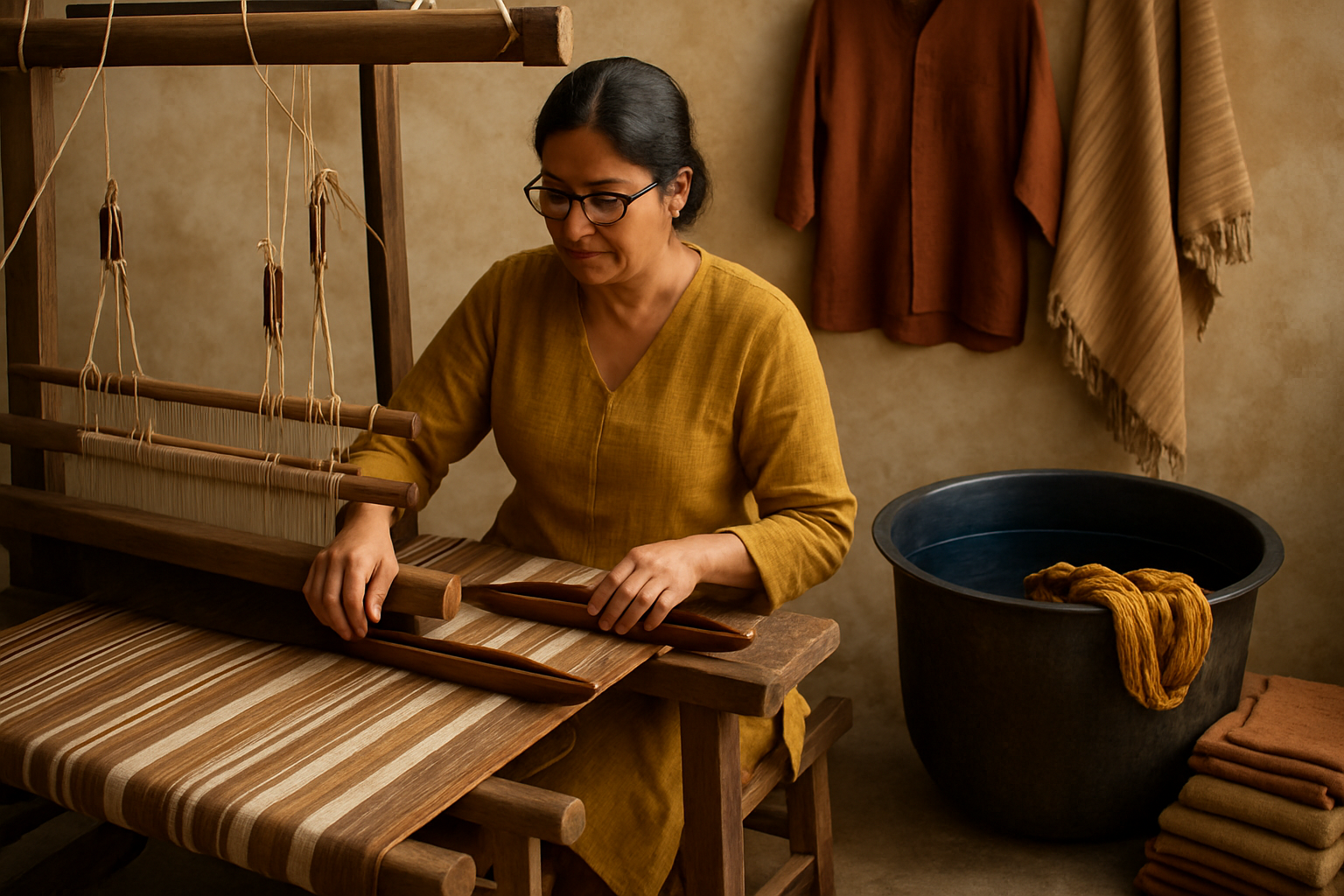
From handloom weaving to natural dye baths, a growing movement is reshaping wardrobes by honoring traditional craftsmanship. This shift toward heritage techniques and mindful production is offering consumers durable, character-filled garments and inspiring fresh creativity in the industry.
A new wave is sweeping the fashion world, one that values heritage over hype and craftsmanship over mass production. Across ateliers and small studios, artisans are reclaiming age-old techniques-hand weaving, block printing, natural dyeing-to create garments that tell a story. Consumers, fatigued by fleeting trends and fast-fashion excess, are seeking pieces with soul: clothing that carries the fingerprints of a maker and the texture of history.
In this article, we explore how artisanal traditions are finding fresh relevance, how technology is enhancing rather than replacing handwork, and how shoppers can build wardrobes rich in meaning and longevity.
A Heritage Reawakening
In workshops around the globe, craftspeople are revisiting local textile legacies. In mountain villages, families pass down weaving patterns used for generations. In coastal regions, artisans harvest seaweed and indigo plants to produce botanical dyes with subtle, shifting hues. These practices once supplied entire communities but nearly vanished under industrialization and global supply chains.
Driven by a desire for uniqueness and transparency, designers are partnering with these craftspeople to integrate heritage techniques into contemporary silhouettes. The result is a harmonious blend of old and new: a bomber jacket sporting ikat panels, a minimalist dress in hand-woven cotton, or a scarf glowing with solvent-free dyes. Each garment embodies collaboration and cultural respect, offering an antidote to uniform, machine-made basics.
Tech Meets Tradition
It may seem paradoxical, but digital tools are helping artisans scale their impact. Online marketplaces and social platforms connect small studios with global audiences, while simple design-aiding apps allow weavers to visualize color sequences before warping their looms. QR codes sewn into garment labels can unlock behind-the-scenes videos of the dye process or the loom in action, deepening the consumer’s understanding of the craft.
Meanwhile, 3D knitting machines are being used to produce prototypes and test patterns faster, leaving more time for hands-on finishing and embroidery. Digital threads map out complex jacquard weaves, but the density, tension, and finishing are fine-tuned by hand. These hybrid approaches preserve the human touch while meeting modern expectations of quality and fit.
From Loom to Wardrobe: Spotlight on Artisanal Techniques
• Handloom Weaving: Each piece of handloom fabric carries the slight variations that machines cannot replicate. The beauty lies in its irregularities-soft ridges of yarn and gentle color shifts-that give depth to a garment.
• Block Printing: Wooden blocks engraved with intricate motifs are dipped in plant-based pigments and pressed onto textiles. No two prints are identical, and the subtle double-press effect adds texture and character.
• Natural Dyeing: Artisans harness roots, leaves, and bark to produce earthy tones. Processes like fermentation and mordant baths yield colors that age gracefully without fading or toxic runoff.
• Embroidery and Beading: Hand-stitched embellishments celebrate local iconography and storytelling. Threads of metallic gold or tiny glass beads catch light in unexpected ways, creating heirloom-quality accents.
Consumer Choices: Investing in Quality Over Quantity
Building an artisanal wardrobe is less about chasing the latest drop and more about thoughtful curation. Here are strategies for conscious shoppers:
1. Research Sources: Seek brands that openly share their production methods and the identities of their partners. Transparency fosters accountability and supports ethical trade.
2. Focus on Versatility: Choose pieces that can be styled across seasons-a handloom tunic can layer over tees, while a block-printed skirt pairs with knits in cooler months.
3. Prioritize Fit and Fabric: Well-constructed garments feel better, last longer, and often leave a smaller environmental footprint than disposable fast-fashion items.
4. Embrace Repair and Care: Learn basic mending skills or find local seamstresses who can reinforce seams and replace buttons. Regular maintenance keeps artisanal pieces looking their best.
Styling and Care: Making Artisanal Pieces Last
Once you’ve welcomed handcrafted apparel into your closet, proper care ensures it endures for years:
• Gentle Washing: Use mild, pH-neutral detergents and cold water. Many artisanal textiles are sensitive to heat and harsh chemicals.
• Air Drying: Lay flat or hang in shade to preserve color and shape. Avoid tumblers, which can shrink delicate fibers.
• Storage Solutions: Store natural fabrics in breathable organizers. Cedar sachets deter pests without toxic vapors.
• Seasonal Rotation: Give pieces time to rest between wears, reducing strain on fibers and minimizing odor buildup. A small spare-of-the-moment laundry routine keeps clothes fresh without over-washing.
The Road Ahead: Challenges and Opportunities
Despite growing enthusiasm, artisanal apparel faces obstacles. Handcrafted techniques are time-intensive, making garments costlier than mass-produced counterparts. Scaling while maintaining authenticity is a delicate balance. Some brands risk diluting artisanal appeal by outsourcing parts of production or simplifying processes for efficiency.
Yet opportunities abound. Educational workshops and apprenticeships can pass skills to the next generation. Public-private partnerships might support artisan cooperatives, ensuring fair wages and preserving textile heritages. Collaborations between designers and local makers can spawn innovative techniques-such as dyeing with food waste or integrating bio-based finishes-pushing sustainability even further.
Consumer demand for transparency, ethical production, and one-of-a-kind items continues to rise. As more shoppers recognize the hidden costs of throwaway fashion-pollution, exploitation, resource depletion-the market for artisanal apparel is poised to grow beyond niche audiences.
Final Threads
Reviving artisanal techniques is more than a fashion trend; it’s a cultural renaissance. When wearing a garment born from hand-woven fabric or batik-style printing, consumers connect with a lineage of craftsmanship that spans generations. By valuing quality, supporting makers, and embracing traditional methods enhanced by modern tools, we can reshape the fashion landscape into one that is more human, sustainable, and creatively rich.
As you explore artisanal brands and forge your own personal style, remember that each piece carries a narrative and a commitment to mindful production. In the quiet revolution of handcrafted apparel, clothing becomes art, culture, and conversation all at once.