Location
Mount Vernon, WA 98274
Location
Mount Vernon, WA 98274

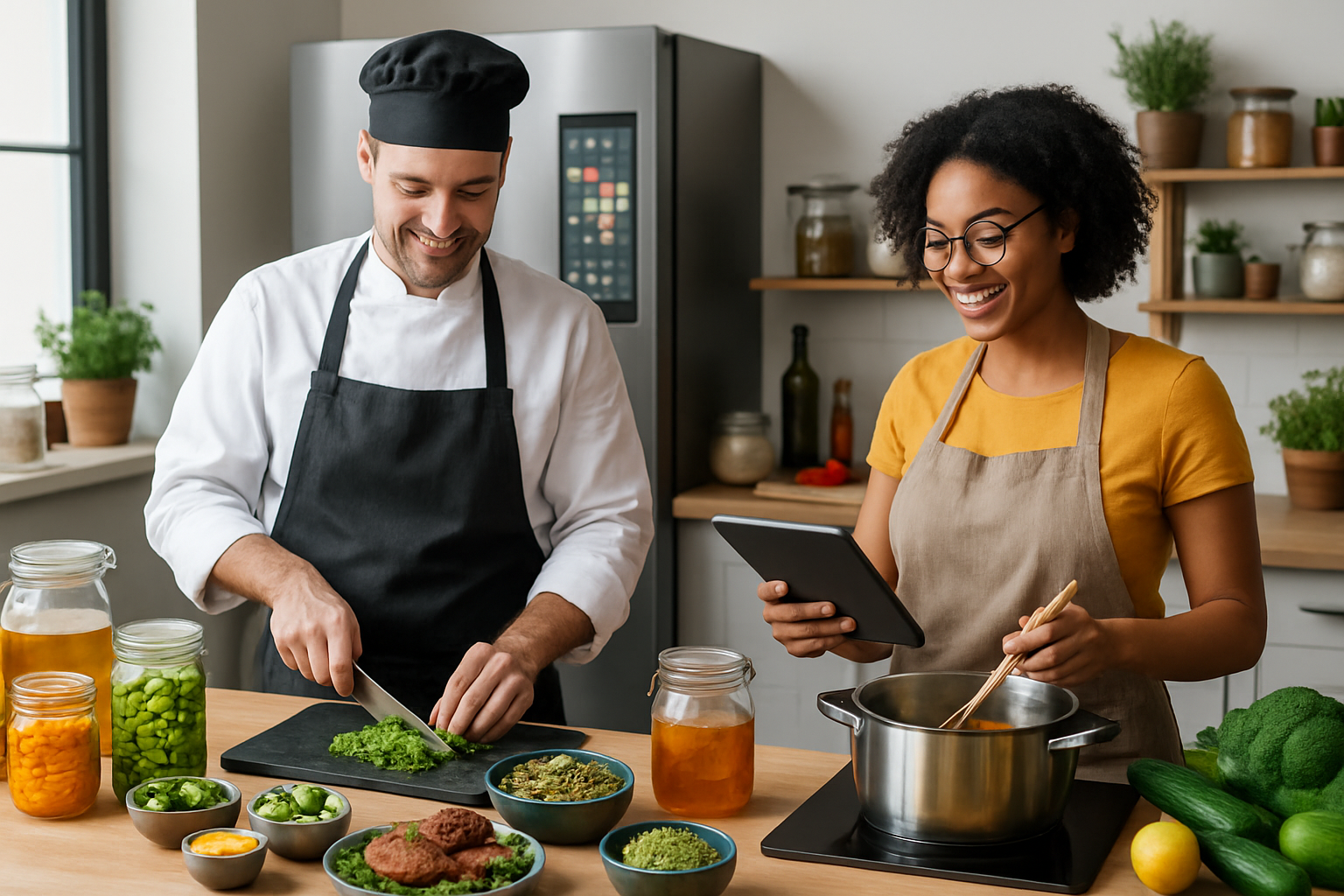
Chefs, home cooks, and food entrepreneurs are embracing a wave of innovations-from fermentation and plant-based breakthroughs to smart appliances and zero-waste practices-that are reshaping how we source, prepare, and enjoy meals. As global flavors converge with sustainable values and digital platforms, the kitchen is becoming a laboratory of experimentation and community connection.
The culinary world is undergoing a rapid evolution. Beyond seasonal produce and classic recipes, today’s food scene is defined by a collision of tradition, technology, and environmental consciousness. From backyard fermenting experiments to high-tech cooking gadgets, these emerging trends are blurring the lines between home kitchens and professional establishments. This article explores the most compelling movements reshaping the way we eat, cook, and connect.
Long before refrigeration, people relied on fermentation to preserve vegetables, dairy, and grains. That time-tested wisdom is experiencing a renaissance. Home fermenters share tips for crafting crunchy kimchi, tangy kefir, and lip-smacking miso on social media. Restaurants are integrating house-made ferments into salads, sauces, and even desserts, leveraging probiotics for both flavor complexity and gut health benefits. Startups are packaging fresh, live-culture kits that require minimal equipment-perfect for curiosity-driven cooks aiming to master this ancient art.
Plant-based eating has moved from niche to mainstream. Advances in food science have produced meat alternatives that mimic the texture and umami of animal proteins, employing pea protein isolates, mycelium, and cultured plant fats. But the trend goes deeper: chefs are celebrating whole vegetables by transforming cauliflower steaks, jackfruit tacos, and chickpea chaffles into crave-worthy mains. Grain-forward bowls topped with sprouts, seeds, and fermented drizzles showcase how produce can take center stage without sacrificing satisfaction.
Sustainability is inspiring a shift toward zero-waste cooking. Upcycling initiatives reclaim byproducts-like whey from cheese making or spent grains from breweries-to create new ingredients in baked goods, savory snacks, and even cosmetics. On the protein side, nose-to-tail butchery is regaining appreciation, with chefs and home cooks exploring ears, feet, and organ meats. These often-overlooked cuts deliver intense flavor while honoring the integrity of the entire animal, reducing overall waste in the supply chain.
Cooking has never been more data-driven. Smart sous vide machines maintain water temperature to the decimal, guaranteeing tender meats and perfect egg textures. Wi-Fi-enabled ovens adjust steam levels for artisanal bread crusts and automated proofing cycles, while app-connected thermometers alert users when proteins reach precise doneness. Even induction cooktops now pair with recipe apps to regulate heat based on ingredient weight and cooking duration. This infotech approach empowers novices and professionals alike to achieve consistent, restaurant-quality results.
Globalization once led to fusion blur, but today’s chefs are digging deeper into micro-regional specialties. Think Okinawan sweet potato fermentation, Alpine herb cheeses, West African stews spiced with egusi seeds, or the corn masa traditions of small-town Mexico. By spotlighting community-driven stories and heirloom techniques, these micro-cuisines invite home cooks to explore terroir and cultural heritage through their cutting board. It’s a grassroots antidote to one-size-fits-all menus.
Food delivery platforms have fueled the growth of ghost kitchens-delivery-only cooking operations that optimize space and menu offerings for off-premise service. Without a dine-in front-of-house, chefs can experiment with niche concepts, regional street foods, or limited-time collaborations. For consumers, this means more variety at home and shorter wait times. While brick-and-mortar restaurants adapt by adding pickup windows and streamlined menus, pure-play virtual brands continue to innovate with heat-and-eat meal kits and interactive cooking experiences.
Takeout and grocery deliveries have spotlighted the environmental toll of single-use plastics. In response, food businesses are trialing compostable clamshells made from sugarcane fiber, molded pulp trays for produce, and edible films derived from seaweed extracts. Some cafés encourage customers to return reusable containers for a small discount, while compost drop-off points at farmers’ markets transform coffee grounds and spent vegetable scraps into valuable soil amendments. These circular systems aim to close the loop on waste.
Comfort foods are getting a healthful makeover. Macaroni and cheese gets fortified with pureed cauliflower or cheddar made from cashews. Fried chicken appears in air-fryer form with chickpea flour crusts. Even decadent desserts find low-sugar or no-gluten expressions through natural sweeteners, nut flours, and aquafaba. This balances nostalgia with nutritional mindfulness, allowing diners to indulge guilt-free and home cooks to experiment with ingredient swaps that maintain texture and taste.
Greater awareness of food allergies and dietary restrictions has spurred chefs to design inclusive menus. Dairy-free ricotta crafted from almonds or oats, gluten-free sourdough using eruptive fermentation, and nut-free pesto alternatives that swap seeds for traditionally nut-born flavors are now commonplace. Restaurant staff receive training to navigate cross-contact risks, while online recipe platforms categorize by allergen profiles, ensuring that those with celiac disease, vegan diets, or soy sensitivities can still enjoy varied, flavorful dishes.
Luxury ingredients once reserved for tasting menus are now available in weekly grocery subscriptions. Truffle-infused salts, single-origin mushroom powders, and quality olive oils arrive in curated boxes alongside chef-curated instructions. Some services even include pre-measured tips for plating and garnishing, bridging the gap between home kitchens and Michelin stages. Virtual cooking classes further demystify advanced techniques like flambé, sous vide aging, and nitrogen-infused cocktails, empowering dining rooms to transform into experimental labs.
From TikTok recipe challenges to neighborhood potlucks coordinated via messaging groups, food continues to unite people across distances. Crowdsourced recipes evolve in real time as users tweak spice levels, cooking times, and presentation ideas. Virtual supper clubs invite participants to source the same mystery box of ingredients and share outcomes on video, creating a sense of collective exploration. This digital ecosystem amplifies regional traditions and spotlights home cooks whose innovations inspire professional kitchens.
As these culinary currents converge, the future of food is adaptive, inclusive, and sustainable. Home cooks can pioneer microbial ferments one day and pilot a smart-appliance-driven beef Wellington the next. Restaurants will continue to iterate on zero-waste operations and modular menus that respond to real-time data and customer feedback. Through technology, community, and a renewed respect for ingredients, the cooking experience-whether in a backyard shed or a high-rise kitchen-promises to be more creative, responsible, and connected than ever before.