Location
Mount Vernon, WA 98274
Location
Mount Vernon, WA 98274

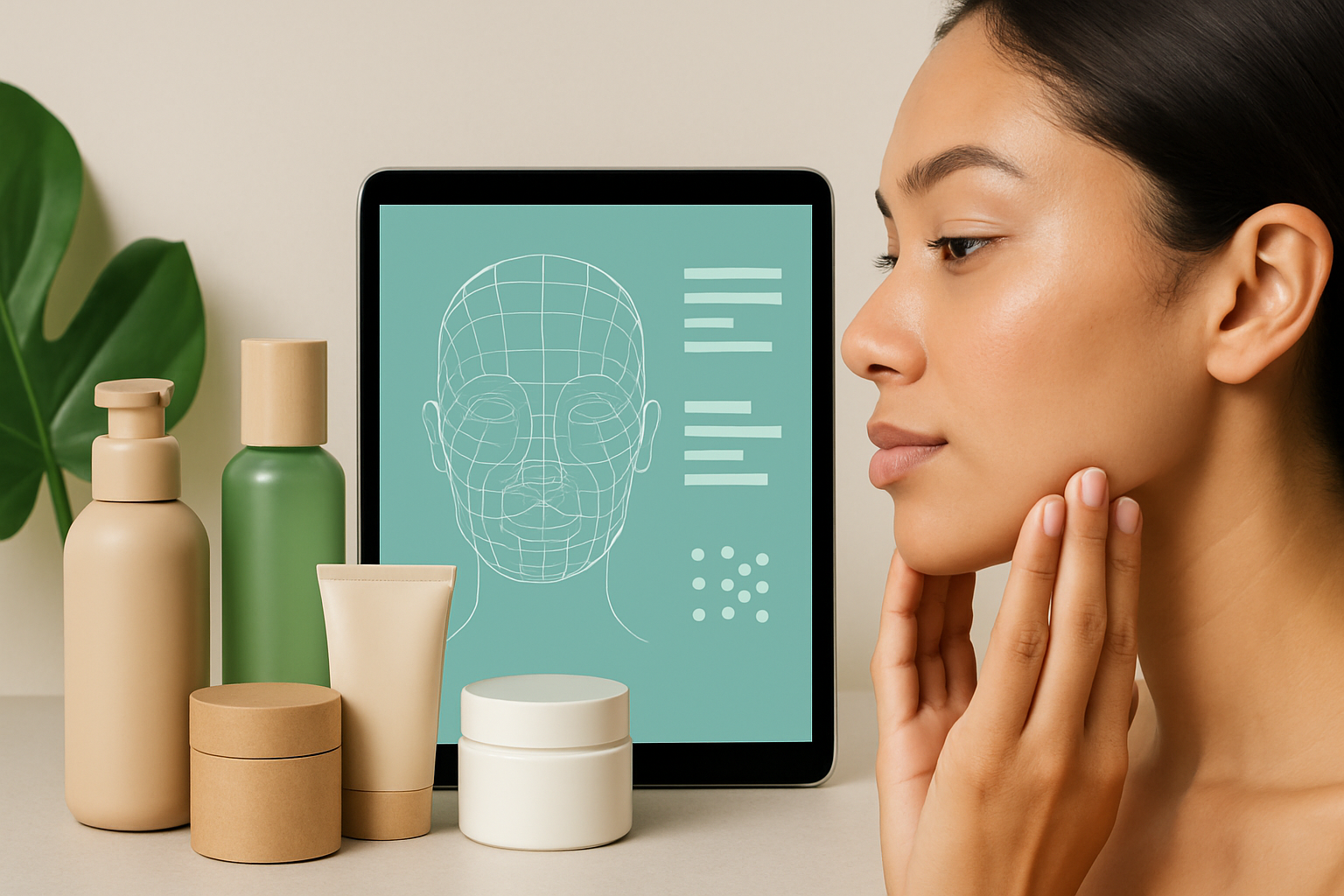
A convergence of precision science and environmental responsibility is reshaping beauty. From AI-driven skin analysis to waterless serums and recyclable packaging, today's skincare innovations blend personalization with planet-friendly practices. Discover how these trends translate into practical routines you can adopt right now.
Beauty routines are no longer one-size-fits-all. Advances in imaging, data science and biotechnology have ushered in an age of skin intelligence-where smartphone scans, in-store diagnostic tools and at-home analyzers deliver tailored treatment plans. In a recent industry survey, 68 percent of consumers said they would invest more in products matched to their unique skin profile rather than off-the-shelf formulas. This shift toward personalization not only boosts efficacy but also reduces waste by preventing trial-and-error purchases.
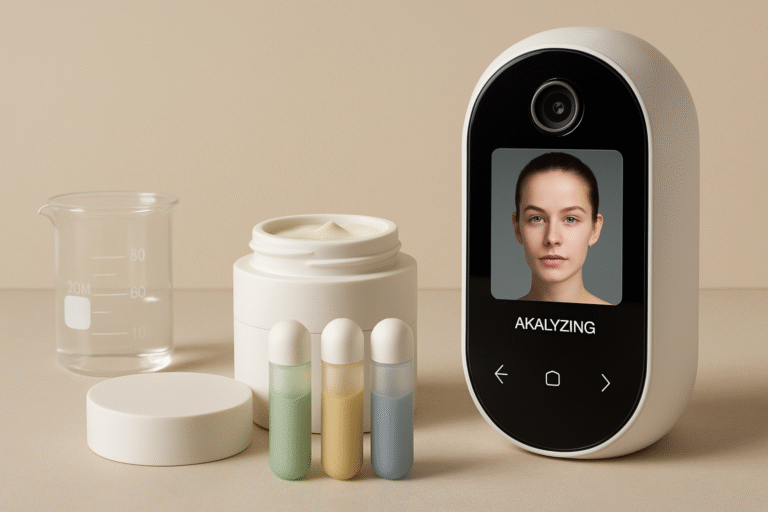
Leading brands now offer compact devices that capture high-resolution images of hydration levels, pigmentation irregularities and textural concerns. Within minutes, an app algorithm breaks down those images into actionable insights. Some services allow ingredient-level customization: you choose the active concentration of niacinamide, vitamin C derivatives or soothing peptides, then receive a freshly blended serum at your doorstep. This approach echoes the compounding pharmacies of old, updated for 21st-century convenience and rigor.
Researchers are increasingly recognizing the skin’s microbiome-its community of beneficial bacteria and fungi-as essential to barrier integrity and resilience. Rather than stripping or sterilizing the surface, modern formulations harness prebiotics and postbiotics to feed and maintain these protective organisms.
In clinical trials, subjects using microbiome-friendly cleansers and serums experienced a 35 percent improvement in barrier function within four weeks. This trend promises a departure from aggressive acid or alcohol-based routines toward gentler, ecosystem-centric care.
Environmental stewardship has moved from marketing slogan to baseline expectation. Consumers and retailers alike demand transparency on sourcing, packaging and carbon footprints. Skincare brands are responding with refillable systems, minimal single-use plastics and waterless formats that eliminate up to 90 percent of water in traditional lotions.
Examples of sustainable innovations include:
Brands tracking their supply chains via open-source ledgers can prove that palm-derived surfactants come from certified sustainable plantations. Meanwhile, upcycled byproducts-such as grape seed oil from winery waste-are finding second lives in night treatments, minimizing landfill burden.
Today’s eco-conscious customer craves clarity. Tech-driven tools such as blockchain registers and QR-code labels allow shoppers to verify claims, from fair-wage labor to organic farming practices. A quick scan on a smartphone reveals each stage: ingredient origin, carbon emissions per batch and third-party testing results for heavy metals or allergen-free certification.
At the manufacturing level, artificial intelligence helps predict ingredient interactions and stability under various temperatures, cutting down on lab trial failures and resource waste. Virtual reality consultations let users preview textures, shades or SPF finishes on a 3D skin model, reducing the need for physical testers in stores.
With so many innovations, building a coherent regimen can feel overwhelming. Here’s a modular, four-step framework that incorporates personalized science, microbiome care and sustainability:
This structure scales easily: novices start with three core steps, while enthusiasts layer in boosters and smart analyses. You’ll save money by ditching ineffective items and only reordering what works.
Emerging technologies promise to further blur the line between lab and bathroom counter. Wearable sensors embedded in patches could sample perspiration, relaying real-time hydration or pH data to your phone. Augmented-reality mirrors might simulate product effects under different lighting. Meanwhile, DIY biotech kits may one day allow at-home fermentation of botanicals for truly bespoke postbiotic elixirs.
Yet even as data and devices advance, core values endure: respect for the body’s ecosystem, responsible stewardship of the planet and the joy of informed self-care. By adopting evidence-based, sustainable products and routines, beauty enthusiasts can look forward to healthier skin-and a healthier world.