Location
Mount Vernon, WA 98274
Location
Mount Vernon, WA 98274

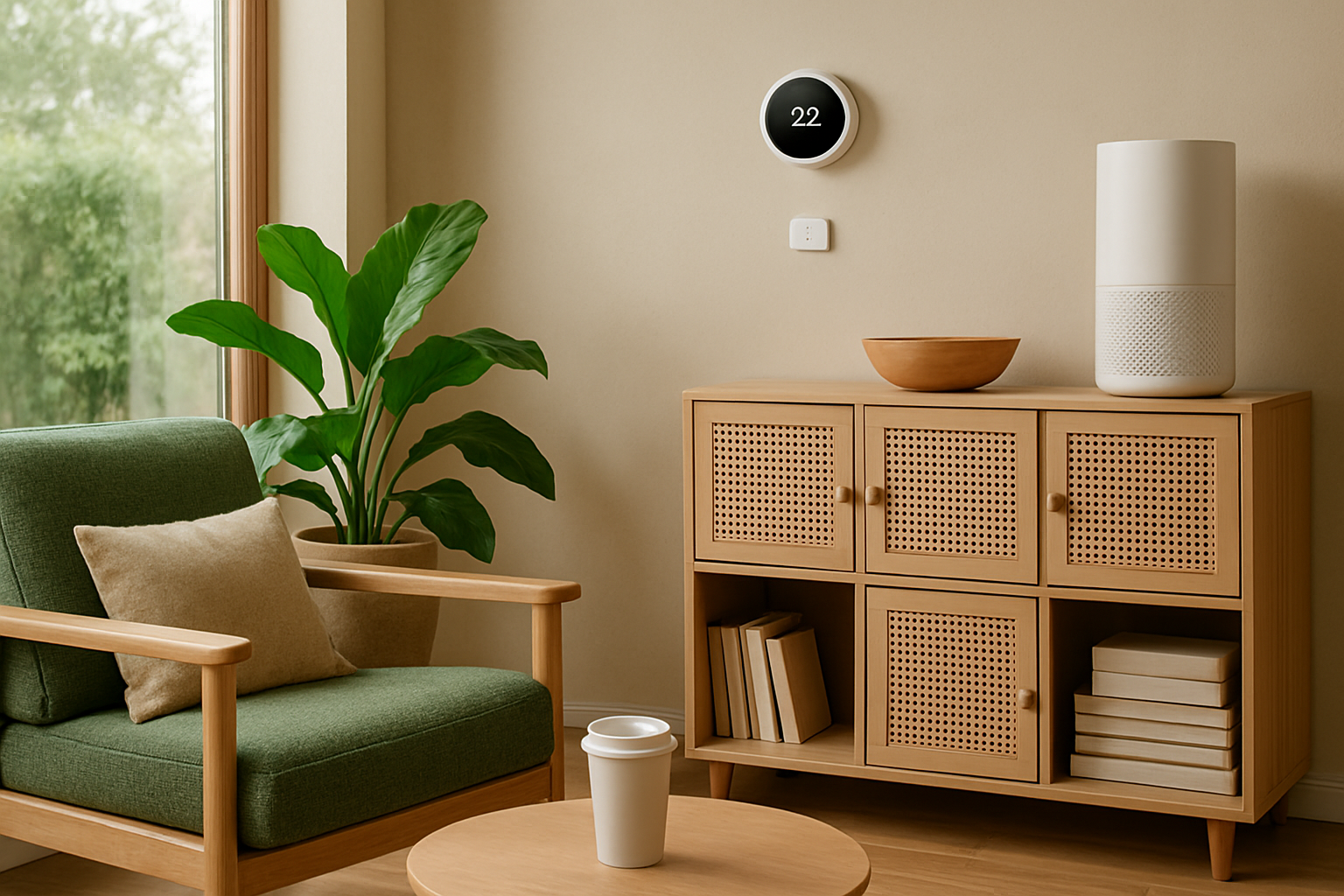
A wave of practical and eco friendly innovations is reshaping the way we live, work, and relax at home. From low impact materials and modular storage solutions to discreet smart sensors and indoor air quality upgrades, today's homeowners are blending comfort with conscience.
Introduction
A subtle shift is underway in homes across the country as sustainability, well-being, and smart design take center stage. Recent surveys reveal that a growing percentage of homeowners now rank low environmental impact, enhanced indoor comfort, and multipurpose layouts among their top priorities. This article explores how modern living trends, emerging materials, and simple upgrades are converging to create healthier, more efficient, and emotionally uplifting spaces.
Current Landscape and Emerging Priorities
Remote work patterns, regional energy cost fluctuations, and heightened awareness of indoor air quality have reshaped expectations about home design. National data shows that more than half of surveyed adults now report concerns about energy waste and indoor pollutants. At the same time, the demand for multifunctional zones-offices by day, living rooms by night-is driving flexible furniture and clever storage solutions. As families and individuals adapt to hybrid schedules and evolving lifestyles, the home has become a dynamic hub rather than a static retreat.
Sustainability in Furnishings and Finishes
Eco friendly materials are no longer a niche market. Recycled wood composites, reclaimed metal accents, and low volatile organic compound (VOC) paints are gaining traction thanks to improved performance and competitive pricing. Modular cabinetry panels crafted from certified fast growing bamboo or reclaimed oak are both stylish and gentle on the planet. At the same time, manufacturers have launched durable upholstery fabrics made from recycled plastic bottles, offering stain resistance and high colorfastness for busy households. By prioritizing materials with transparent supply chains and third party certifications, homeowners can lower their carbon footprints while enjoying long term value.
Smart Home Technology for Comfort and Conservation
The latest wave of connected devices is designed to blend into living environments without dominating aesthetics. Discreet temperature and humidity sensors can optimize heating and cooling cycles, reducing energy waste by up to 20 percent. Wireless occupancy detectors enable lighting and climate systems to adjust automatically when rooms are unoccupied. Advanced water leak sensors alert residents at the first sign of moisture, preventing costly damage. Crucially, many of these gadgets now support end to end encryption and local data storage, avoiding constant uploads to remote servers and preserving household privacy.
Balancing Security and Personal Privacy
Home security solutions have matured beyond the intrusive floodlight camera archetype. Smart door locks now integrate with proven identity verification systems, while indoor sensors can differentiate between human movement and pets under 40 pounds. Platforms offer granular control over data sharing, ensuring that security footage resides on local network drives unless explicitly backed up. These advances underscore a growing emphasis on emotional intelligence in technology design, where user trust and comfort rank alongside alarm capabilities.
Space Efficiency and Decluttering Strategies
With urban property sizes shrinking and home offices taking up spare bedrooms, space optimization is essential. Experts recommend a three step approach:
– Sort: Divide items into categories-daily use, seasonal storage, and rarely needed. This clarifies what truly belongs in active living spaces.
– Store: Employ stackable crates or hidden drawers under seating to keep essentials accessible but out of sight.
– Swap: Reevaluate every six months whether items still fit current routines. Donate or recycle what no longer serves.
These modular systems can be scaled up or down as needs change, preventing accumulation of clutter and maintaining a sense of calm.
Enhancing Indoor Environmental Quality
Beyond aesthetics and organization, indoor environments have a profound impact on health. According to industry research, average indoor particulate levels can exceed outdoor concentrations by 2 to 5 times in poorly ventilated homes. Incorporating houseplants known for air purification, such as spider plants and peace lilies, helps reduce volatile organic compounds. Standalone HEPA filter units quietly capture fine particles, while heat recovery ventilation systems bring in fresh air without sacrificing energy efficiency. Monitoring tools that display real time levels of carbon dioxide, temperature, and humidity empower residents to fine tune ventilation strategies for optimal comfort.
Emotional Intelligence in Home Design
Design professionals emphasize that emotional resonance matters as much as visual appeal. Calming color palettes inspired by nature, tactile textures like raw linen and unpolished stone, and intentional lighting layers can lower stress and improve focus. A dedicated nook for mindfulness practices or reading, even if it is just an upholstered window seat, provides an anchor in busy schedules. Encouraging small rituals-lighting a beeswax candle at dusk or arranging fresh flowers weekly-reinforces a positive connection with space.
Step by Step: Integrating Upgrades Gradually
Tackling an entire home overhaul at once can feel overwhelming. A phased approach avoids burnout and spreads costs:
1. Audit: Spend a weekend mapping energy hotspots, clutter zones, and recurring maintenance issues.
2. Plan: Choose one area-perhaps the home office or kitchen-to update with sustainable materials and smart controls.
3. Implement: Source a few key items, install sensors or modular storage, and evaluate the impact on daily routines.
4. Iterate: After a month of use, gather observations. Tweak system settings, reorganize if necessary, and then move to the next room.
This iterative cycle ensures improvements align with real life needs and habits, rather than abstract design ideals.
Looking Ahead: Trends to Watch
As battery technology advances, expect cordless smart devices with extended run times and seamless integration into existing fixtures. Biophilic elements like living moss walls and interior micro gardens will become more compact and affordable. Community driven tool libraries and repair cafes offer promising ways to share resources and extend product lifespans. Finally, customizable AI assistants that respect local privacy norms could coordinate home systems in a genuinely intuitive, empathetic manner.
Conclusion
The modern home is evolving into a living organism that balances efficiency, health, and emotional well being. By selecting eco friendly materials, adopting discreet smart technologies, and maintaining a flexible, decluttered environment, anyone can craft a space that reflects personal values and adapts to changing needs. Incremental changes, informed by real time feedback and guided by modular strategies, unlock long term benefits for both residents and the planet.