Location
Mount Vernon, WA 98274
Location
Mount Vernon, WA 98274

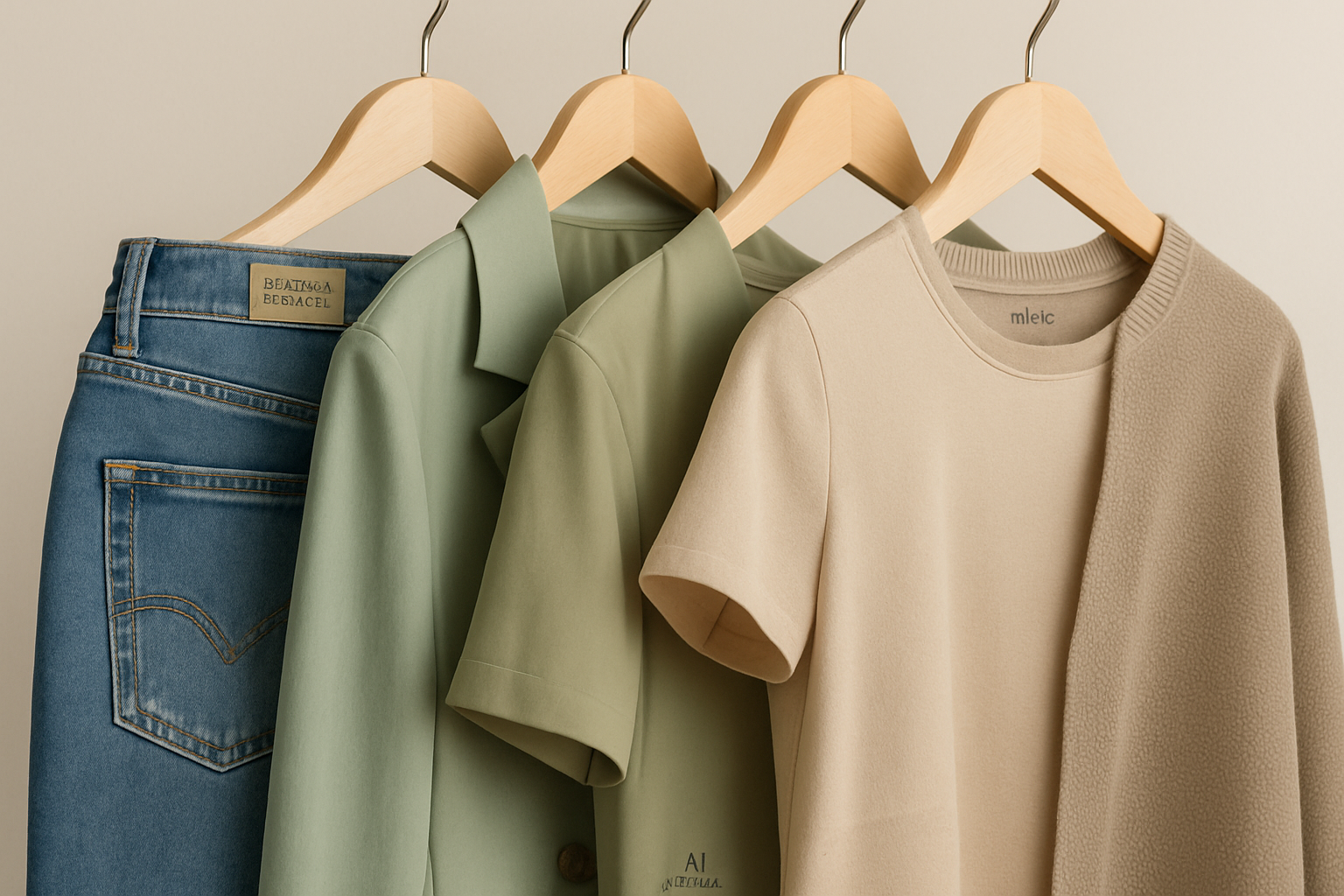
This article explores how spring's latest apparel collections are blending sustainability, cutting-edge textiles, and inclusive design to redefine personal style. From recycled denim to AI-driven tailoring, discover practical ways to refresh your wardrobe with mindful, modular pieces that stand the test of time.
In recent months, major fashion houses and emerging labels alike have signaled a clear shift: the future of apparel hinges on sustainability, technology, and inclusivity. Once a niche conversation, circular design principles and smart fabrics are now mainstream talking points at runway shows, trade fairs, and online retail platforms. Consumers are demanding transparency about supply chains, materials, and production practices, while also craving garments that feel as innovative as they are timeless.
As we move into the warmer seasons, designers are responding with collections that speak to a new generation of shoppers-people who want versatile wardrobe staples, interactive textiles, and styles that transcend traditional gender boundaries. Whether you’re building a capsule wardrobe or experimenting with avant-garde finishes, spring’s latest releases offer an inspiring compass. Here’s an in-depth look at five defining trends and actionable insights for integrating them into your daily life.
The push toward eco-friendly fibers is no longer confined to artisanal labels. Major manufacturers are scaling up the use of recycled polyester, organic cotton, and plant-based alternatives such as lyocell. A recent industry survey revealed that nearly 70% of fashion consumers would pay a premium for garments certified by third-party sustainability standards. That demand is fueling innovation across every tier of the supply chain.
One standout development is the rise of upcycled denim. By reclaiming fabric scraps and post-consumer pants, designers can create one-of-a-kind patchwork jackets, skirts, and jeans that boast both aesthetic flair and reduced carbon footprints. Meanwhile, bio-engineered materials-like lab-grown leather alternatives and algae-derived dyes-are gaining traction, lowering reliance on water-intensive processes and animal products.
For shoppers looking to embrace circular fashion, start with pieces engineered for longevity and repair. Seek garments constructed with reinforced seams and accessible linings, so you can replace zippers or patch worn areas. Investigate brands offering take-back programs or rental models. Even small steps-like washing clothes with a microfiber-catching laundry bag-help curb plastic pollution at the source.
Advances in textile engineering have blurred the line between activewear and everyday attire. Wearable tech, once limited to fitness trackers, is now woven directly into jackets, shirts, and even business-casual trousers. Smart fabrics can regulate temperature, resist stains, and monitor posture or biometric data with subtle sensor integration.
At a recent trade expo, several manufacturers showcased water-repellent wool blends that maintain breathability while shedding spills, ideal for commuters facing unpredictable showers. Another demonstration featured solar-charged jackets outfitted with discreet panels-enough to top up a smartphone on the go. Though fully integrated digital apparel remains a premium segment, mid-tier brands are adopting moisture-wicking, anti-odor treatments drawn from performance sportswear.
Shoppers curious about tech-enhanced garments should consider key features that align with daily routines. For instance, a blazer with temperature-adaptive lining can transition from cool office climates to brisk evenings. Sneakers with embedded gait-analysis chips not only improve comfort but sync data to coaching apps for more informed fitness goals. As the price points democratize, expect these intelligent pieces to become wardrobe staples rather than novelty buys.
The conversation around gender in fashion has matured: more labels are designing without arbitrary size or style segregation. Collections that embrace fluid silhouettes-oversized shirts, unisex knits, and adjustable trousers-are crafting a new visual language that prioritizes comfort and personal expression over strict binaries.
This trend extends beyond design into retail strategy. Flagship stores are experimenting with open-format changing rooms and neutral-fitting rails, empowering customers to mix and match freely. Online platforms are introducing fit-visualization tools that accommodate wider body types, enabling shoppers to see how a single garment drapes across different shapes.
To engage with inclusive design, look for adaptive closures (magnetic snaps, adjustable drawstrings) and tags that emphasize fit suggestions rather than gendered sizing. Prioritize labels that partner with local craftspeople and tailors, ensuring each piece adapts seamlessly to individual preferences. The result is a more empathetic wardrobe that celebrates diversity without tokenism.
Amid rapid trend cycles, many consumers are turning to the past-mining secondhand stores, swap meets, and online marketplaces for distinctive finds. Vintage revival goes hand in hand with personalization: from hand-stitched embroidery patches to laser-etched hardware, bespoke touches are reshaping mass-produced silhouettes into personal statements.
Sew-your-own workshops and customization pop-ups have proliferated in major cities, offering technique classes in screen printing, leather tooling, and upcycling. This hands-on approach fosters a deeper connection with clothing while reducing impulse buys. Even luxury houses are rolling out monogramming services and interchangeable hardware that lets clients modify bags, belts, and shoes seasonally.
If you’re just starting, begin by auditing your existing wardrobe for pieces that lend themselves to refurbishment-denim jackets, canvas totes, and simple cotton dresses are ideal canvases. Invest in eco-friendly fabric paints and patches for small DIY projects, or commission a local tailor to apply structural tweaks. By marrying vintage elements with modern functionality, you craft a look that’s authentically yours.
With so many trends converging, the idea of a streamlined capsule wardrobe has regained traction. The goal is to curate a compact collection of versatile, mix-and-match items that reflect both personal style and seasonality. Spring’s capsule essentials typically include a well-fitted jacket, a pair of tailored trousers, a neutral knit, a statement dress, and transitional footwear.
To assemble your capsule, start by identifying a cohesive color palette-think neutrals accented by one or two vibrant hues. Invest in foundational pieces made from durable, easy-care materials. For instance, a mid-weight trench coat in recycled nylon repels moisture and pairs with denim or linen alike. Similarly, look for blouses woven from TENCEL™ Lyocell for breathability and gentle drape.
Once the core items are in place, layer in trend-forward accents: a bold-print scarf, tech-fabrics belt bag, or upcycled jewelry. This hybrid approach ensures your wardrobe feels current without overcrowding your closet. As seasons change, rotate items in and out based on performance and personal preference, donating or reselling what no longer fits the capsule ethos.
Adopting sustainable, tech-forward, and inclusive fashion doesn’t have to break the bank. Follow these actionable guidelines:
Spring’s fashion landscape is evolving at an unprecedented pace, driven by ecological urgency, digital innovation, and a deeper understanding of inclusivity. By weaving these threads together-whether through recycled fabrics, smart linings, or gender-neutral cuts-you can curate a wardrobe that feels both progressive and personal. Embrace modular classics, experiment with artisanal touches, and lean on technology to elevate comfort. The result is a resilient closet designed not just for one season, but for the entire journey ahead.