Location
Mount Vernon, WA 98274
Location
Mount Vernon, WA 98274

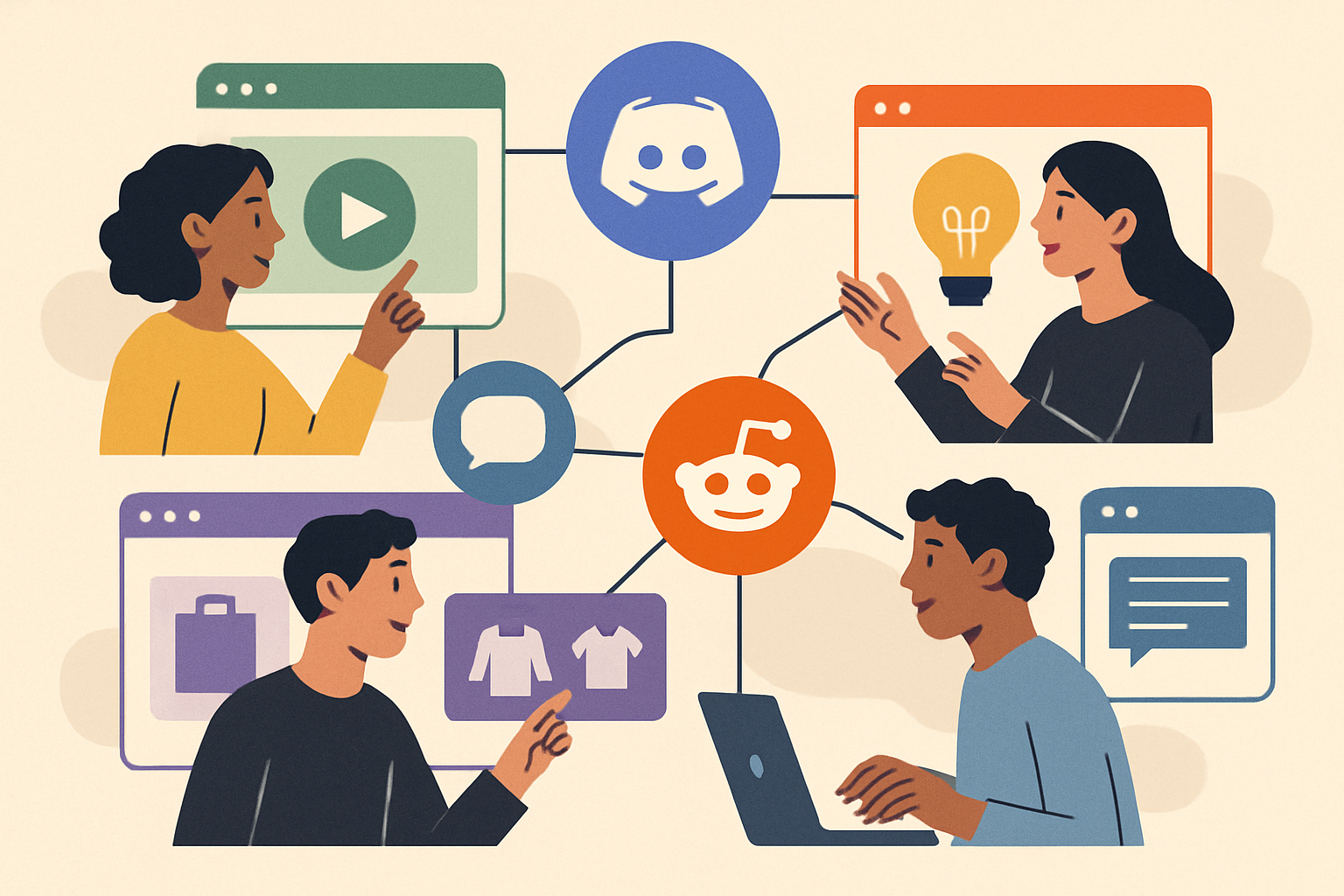
Across platforms from Discord to Reddit and beyond, small, focused online communities are redefining how we learn, shop, and socialize. As these digital micro-communities proliferate, they're fueling new trends in consumer behavior, activism and creative collaboration.
In an era of sprawling social networks and viral content, a quieter shift is underway. Digital micro-communities-small, highly focused online groups centered on specific interests-are emerging as powerful forces in culture, commerce and connection. Unlike mass audiences on mainstream social platforms, these niche hubs attract members who share deep expertise or passion for subjects as varied as urban beekeeping, retro gaming, sustainable fashion and experimental cooking.
The Evolution of Online Communities
The early days of the internet were defined by forums and bulletin boards clustered around broad categories: technology, sports or politics. Over time, social networks consolidated these spaces into giant platforms where billions of users post, like and scroll. While reach expanded, depth often suffered. Today’s micro-communities reclaim that depth by offering intimate settings, tighter moderation and a shared sense of purpose.
Discord, originally popular with gamers, has morphed into a general-interest platform. Its 150 million monthly active users now span study groups, wellness collectives and creative co-working servers. Reddit remains a fertile breeding ground for micro-communities through its subreddit model, hosting more than two million active communities across every conceivable niche. Slack, once a workplace tool, is now home to nearly 12 million daily active users collaborating on open-source projects, book clubs and local activism.
Why Niche Appeals
Several forces fuel the rise of micro-communities:
1. Desire for Depth and Expertise: In contrast to broad social feeds, niche groups offer specialized knowledge. A budding home brewer in a dedicated channel can learn advanced techniques from seasoned enthusiasts. Expert answers arrive faster and more reliably than generic search queries.
2. Sense of Belonging: Small-scale groups foster trust. Members share personal wins and challenges with confidence that their peers will understand. This feeling counters digital fatigue and impersonal interactions common on mainstream platforms.
3. Curated Environments: Tight-knit moderators enforce rules that maintain focus and civility. Whether it’s a club for rare vinyl collectors or a support group for urban gardeners, guidelines ensure conversations stay on topic and harassment is swiftly addressed.
4. Flexible Formats: From live audio rooms to collaborative documents, micro-communities experiment with formats that fit their goals. A coding collective may host weekly pair-programming sessions over video chat, while a sewing circle shares time-lapse clips of projects in a dedicated feed.
Real-World Impacts
These digital enclaves influence more than online chatter. Brands, policymakers and activists have taken notice of the sway micro-communities hold.
Consumer Behavior
Members of specialized groups often pioneer trends that spill into mainstream markets. For example, a plant-care subreddit sparked the popularity of rare houseplants, driving sales for nurseries and influencing retailers like independent plant shops to stock hard-to-find species. Early adopters post care guides, unboxing videos and price-tracking spreadsheets, turning hobbyists into informed shoppers.
Crowdsourced Innovation
Open-source hardware and software communities have long demonstrated the power of collective development. New micro-communities in biotech, such as citizen science labs, crowdsource experiments in gene editing and environmental testing. Their collaborative ethos accelerates innovation, sharing protocols and data freely across borders.
Social Activism
Localized or cause-driven groups harness deep engagement for real-world campaigns. A climate action server on Discord coordinates regional cleanups, while a hyper-local neighborhood group on Nextdoor organizes safety patrols and mental health check-ins. The small scale of each community ensures events align closely with members’ values and local contexts.
Mental Health and Well-Being
Dedicated support channels for topics like grief, anxiety or chronic illness provide solace and resources. Moderated by mental health professionals or trained volunteers, these spaces supplement traditional care. Users report feeling less isolated when they can connect anonymously with peers who truly understand their experiences.
Challenges and Risks
Despite their benefits, digital micro-communities are not without pitfalls.
1. Echo Chambers: Highly curated spaces can inadvertently reinforce single viewpoints. When members only see perspectives aligned with their own, critical thinking and exposure to diverse ideas may suffer.
2. Privacy Concerns: Smaller groups feel safe, but personal disclosures in private servers risk leaking if platform security is breached. Moderators must balance openness with safeguards like data minimization and clear privacy policies.
3. Moderation Strain: As communities grow, volunteer moderators can become overwhelmed. Sustaining healthy group culture requires resources-training, tools and sometimes professional support-that many grassroots efforts lack.
4. Misinformation Spread: Expertise varies across niche topics. In some hobbyist or health-related forums, unverified advice can circulate unchecked, potentially leading to harm.
Strategies for Responsible Growth
For those building or joining micro-communities, thoughtful practices can mitigate risks:
– Establish Clear Guidelines: Define rules for content quality, civil discourse and privacy. Encourage members to flag harmful posts and streamline reporting processes.
– Rotate Moderation Teams: Prevent burnout by sharing responsibilities among a diverse pool of volunteers. Provide training resources on conflict resolution and digital safety.
– Promote Information Literacy: Invite subject-matter experts to host Q&A sessions that fact-check popular claims. Provide links to reputable resources so members can verify information independently.
– Embrace Healthy Debate: Foster channels or threads dedicated to constructive disagreements. Label them clearly to avoid confusion and encourage respectful discourse across differing viewpoints.
The Future of Micro-Communities
Emerging technologies promise to reshape how niche groups form and interact.
Decentralized Platforms
Building on blockchain and peer-to-peer architectures, decentralized social networks give communities full control over data and governance. Projects in development aim to let moderators self-host servers without relying on corporate platforms, reducing censorship concerns and external monetization pressures.
Augmented and Virtual Reality
As AR and VR devices become more accessible, micro-communities may gather in virtual spaces that mimic physical meeting rooms. Artists, educators and hobbyists are already hosting VR meetups to collaborate on 3D designs or practice foreign languages in immersive environments.
AI-Powered Facilitation
Artificial intelligence will serve as moderator assistants, managing routine tasks like spam filtering, summarizing lengthy discussions or translating messages across languages. These tools free human moderators to focus on community engagement and mentorship.
Intersection with Offline Life
Expect more hybrid experiences where digital micro-communities converge in real spaces. Local chapters of global online groups organize meetups, workshops and pop-up markets. These events strengthen social bonds and create economic opportunities for independent creators.
Embracing the Niche
In a world fixated on viral hits and mass appeal, micro-communities remind us that depth, trust and shared purpose matter. Whether you’re an entrepreneur scouting emerging trends, a caregiver seeking peer support or a hobbyist exploring uncharted interests, there’s likely a digital enclave waiting to welcome you.
By understanding their dynamics and potential pitfalls, anyone can leverage these small-scale networks to learn, create and drive meaningful change. As platforms evolve and technologies advance, micro-communities will remain at the forefront of social innovation-proof that sometimes the smallest circles cast the widest ripples.