Location
Mount Vernon, WA 98274
Location
Mount Vernon, WA 98274

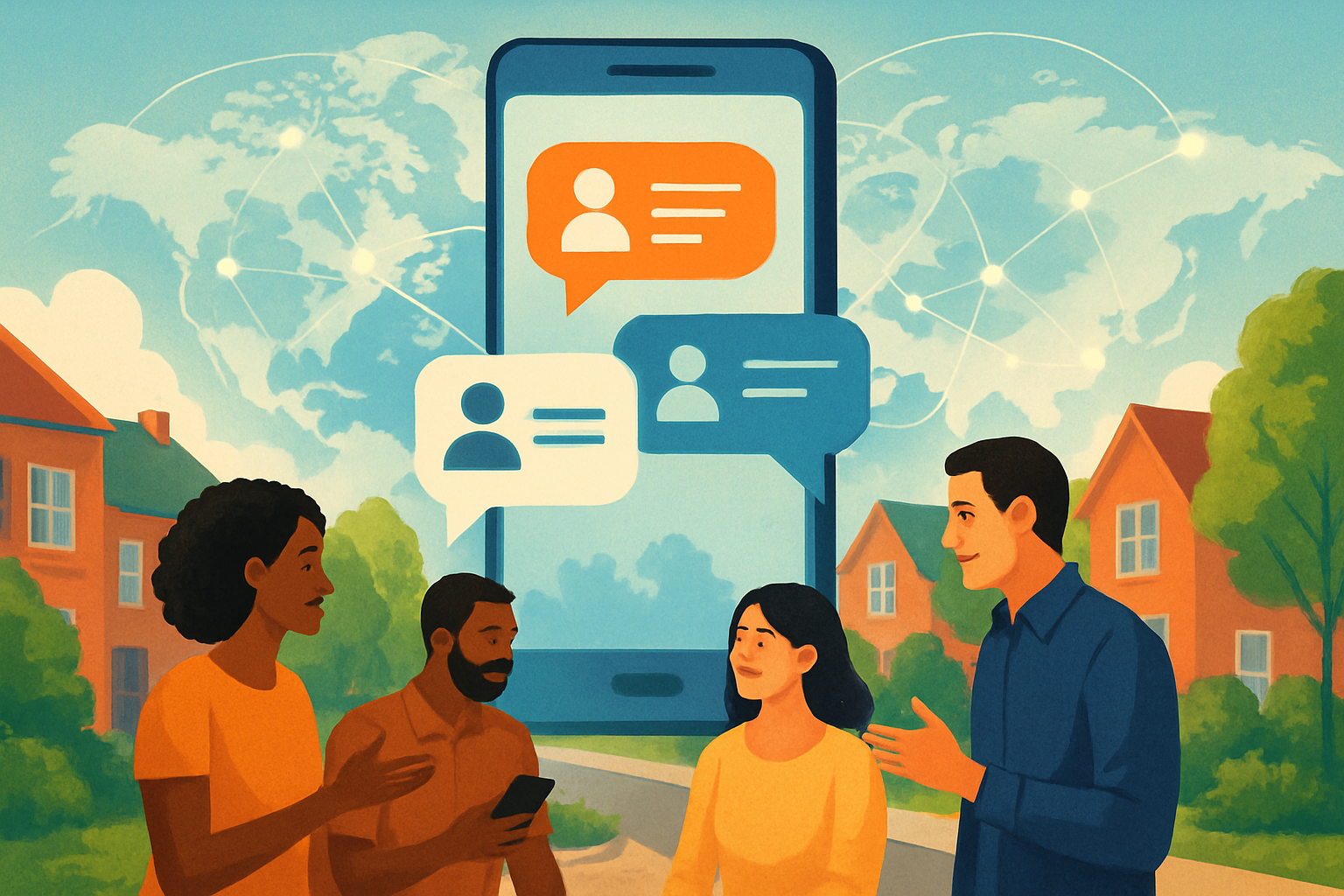
As digital platforms reshape how we connect, a growing movement is blending online engagement with real-world action. This article explores how neighborhoods and interest groups are harnessing technology to revitalize civic life, combat isolation, and build resilient social networks.
In recent years, the rise of digital communities has transformed how people find support, share ideas, and mobilize for social causes. What began as chat rooms and interest forums in the early 2000s has grown into vibrant ecosystems of apps, local meet-ups, and hybrid events that bridge online convenience and face-to-face interaction. Today, as more than half of the world’s population spends substantial time on social media platforms, a parallel trend is emerging: individuals are deliberately seeking deeper, in-person connections rooted in shared values and local action.
Research Snapshot
According to a 2022 Pew Research Center survey, 45% of U.S. adults report active participation in at least one online community, while 30% say they have converted virtual connections into real-life friendships or volunteer roles. A report published by the Global Digital Fellowship last year found that hybrid gatherings-events combining live streaming with local venues-grew 60% in attendance between 2021 and 2023. These statistics underscore a growing appetite for blended social experiences that leverage technology without sacrificing the intimacy of face-to-face contact.
From Hashtags to Block Parties
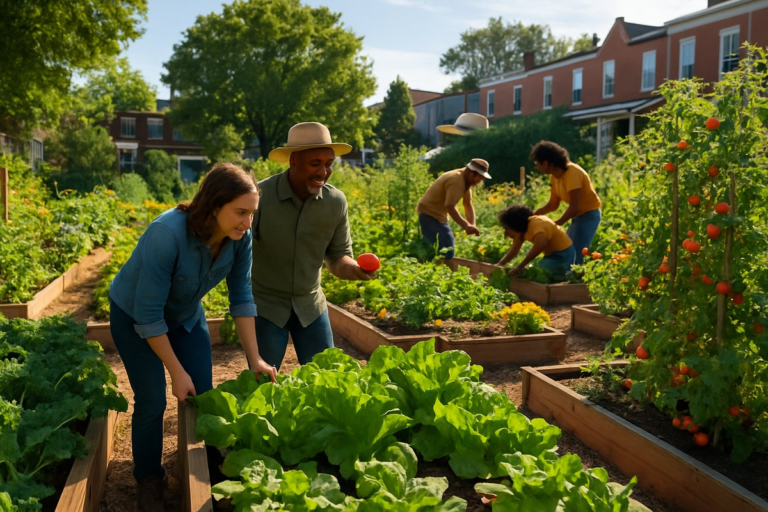
Grassroots activists and community organizers have long harnessed social media to amplify their message. Yet, a newer wave of organizers is focused on translating digital momentum into neighborhood action. In one city, a Facebook group dedicated to urban gardening has sparked the creation of five community plots, attracting hundreds of volunteers. Members coordinate seeding schedules via group chat, then convene on Saturday mornings to plant, water, and swap harvest tips. “The app keeps us on track, but the soil under our nails and the laughter over coffee-that’s what bonds us,” says one volunteer coordinator.
Hybrid Events and Micro-Gatherings
Organizers have experimented with micro-gatherings-intimate meet-ups of 10 to 20 people-hosted in local cafes, parks, or shared workspaces. These events often start online, where attendees vote on discussion topics or propose guest speakers. A midsized tech hub recently hosted a hybrid symposium on digital inclusion; remote participants submitted questions via live polling, while an on-site panel addressed both audiences. Attendees praised the format for combining convenience with real-time dialogue, noting that remote viewers often felt more comfortable contributing to Q&A sessions.
Digital Tools for Real-World Impact
A diverse set of tools underpins these efforts:
• Community platforms: Customizable apps let neighbors post alerts, borrow tools, and organize swap-meets. One open-source platform now counts more than 100,000 active users worldwide.
• Crowdfunding portals: Hyperlocal fundraisers allow residents to finance park cleanups, street murals, or outdoor movie nights.
• Messaging networks: Encrypted group chats protect privacy while coordinating volunteer shifts or block-party logistics.
Urban Sustainability Through Collective Action
Efforts to address climate challenges are increasingly coordinated through these networks. In one metropolitan region, a platform for tree-planting volunteers tracks progress with geotagged photos and rainwater-harvesting tips. Neighbors share DIY blueprints for compost bins and low-tech solar chargers. City planners, observing these pilot projects, are exploring partnerships that incorporate citizen data into municipal sustainability plans.
Tackling Digital Isolation and Mental Health
While social media can exacerbate feelings of loneliness, the same platforms are being repurposed to foster emotional support. Peer-led groups focusing on mental health have launched weekly “digital coffee breaks” via video chat, paired with optional neighborhood walks. A study published by the National Institute of Mental Wellbeing found that participants in these blended programs reported a 25% drop in self-reported loneliness after three months. Multipurpose community hubs-spaces equipped with high-speed internet, meeting rooms, and counseling services-have sprung up in cities aiming to address the isolation epidemic.
Case Study: The Neighborhood Repair Cafe
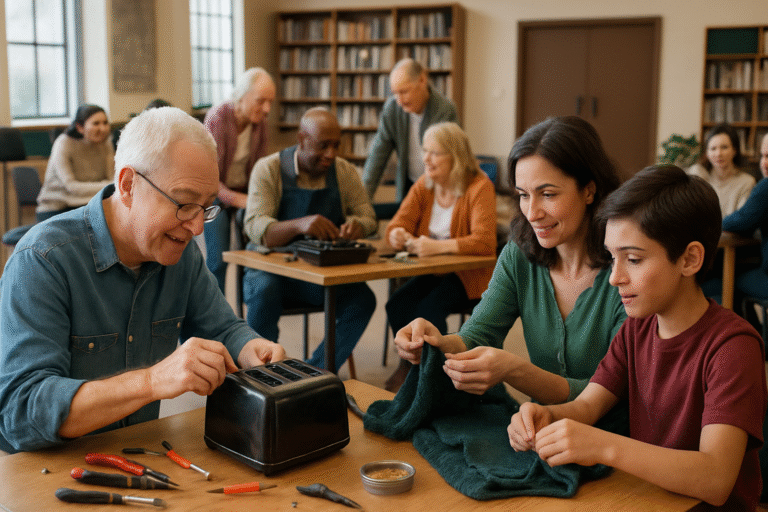
Originating in Europe, the repair café movement has taken root in multiple American cities. Volunteers with sewing, carpentry, and electronics expertise host monthly workshops where community members bring broken items to fix alongside skilled helpers. Organizers use social media channels to announce themes-say, “Bike Tune-Up Saturday”-and coordinate volunteer schedules. Beyond preventing waste, these gatherings foster intergenerational skill-sharing and strengthen bonds among neighbors.
Bridging Generations and Cultures
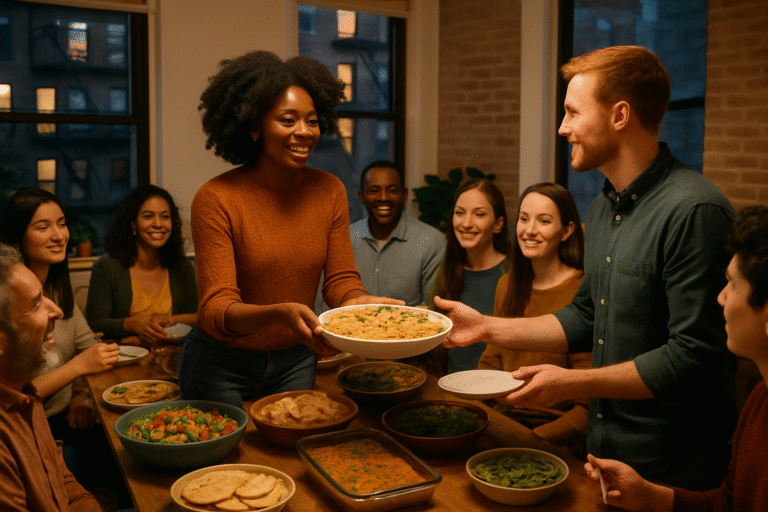
One notable outcome of fusion communities is the blending of cultural traditions. A virtual cooking club focused on heritage recipes recently collaborated with a local senior center, inviting older residents to demonstrate family dishes. Participants then gathered in a church hall to prepare and share meals. These cross-generational events reduce cultural silos and create new narratives of belonging in diverse neighborhoods.
Practical Steps for Local Leaders
Community organizers looking to launch or refine hybrid engagement models can start with a few straightforward actions:
1. Identify Core Needs: Survey residents about top priorities-health workshops, shared gardens, skill exchanges-and tailor digital channels accordingly.
2. Select Versatile Tools: Choose platforms that allow event RSVPs, chat threads, and file sharing. Open-source or low-cost options can lower barriers to participation.
3. Plan Micro-Events: Begin with gatherings of no more than 20 people to test formats, refine facilitation techniques, and build trust.
4. Measure Impact: Track attendance, collect feedback with quick polls, and publicly share progress metrics. Transparency fosters accountability and sustained momentum.
5. Cultivate Partnerships: Collaborate with local businesses, libraries, or nonprofits to access meeting space, expertise, and seed funding.
The Role of Municipal Policy
Some city governments are embracing this community renaissance by providing micro-grants for grassroots initiatives and offering digital literacy training at public libraries. Others are streamlining permit processes for block parties or outdoor cinema screenings. Policymakers recognize that empowered, self-organizing neighborhoods can address local concerns faster than top-down bureaucracies, from sidewalk repairs to neighborhood watch programs.
Risks and Considerations
While the hybrid model holds promise, organizers must guard against information silos and digital divides. Not all residents have reliable internet access or feel comfortable with technology. Inclusive strategies might include telephone hotlines, printed newsletters, or pop-up tech-help booths at local events. Organizers should also remain vigilant about privacy, ensuring that group platforms employ basic data protection measures and give members control over what personal information is shared.
Looking Ahead: A New Social Fabric
The digital-to-physical movement signals a reimagining of social bonds. Beyond likes and shares, communities are rediscovering the value of shared labor, local stewardship, and face-to-face solidarity. As digital tools evolve-integrating augmented reality, localized mapping, and AI-driven matchmaking-the potential for even richer hybrid ecosystems will grow. But the core lesson remains unchanged: people yearn for genuine connection, and when online networks ignite local action, both individuals and neighborhoods thrive.
What It All Means
Across cities, towns, and rural counties, the fusion of digital communities with in-person gatherings is reshaping civic life. By balancing convenience with authenticity, these hybrid models equip neighbors to address social challenges, foster mental well-being, and celebrate cultural diversity. Whether planting a community garden, repairing broken tools, or hosting a block-party brainstorming session, the path from screens to streets is paved with curiosity, collaboration, and shared purpose. As this movement continues to expand, it offers a blueprint for societies seeking to build resilient, compassionate, and engaged communities in an ever-connected world.