Location
Mount Vernon, WA 98274
Location
Mount Vernon, WA 98274


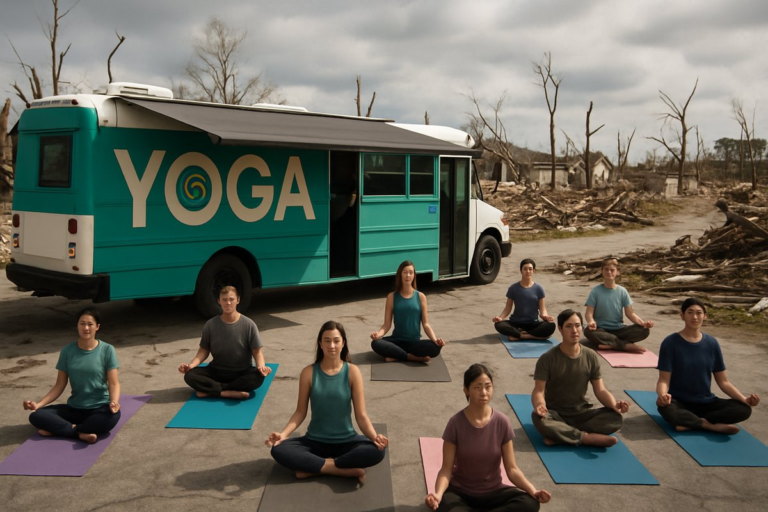
When disaster upends lives, rebuilding the spirit can be as urgent as restoring infrastructure. A converted coach now roams through storm-ravaged towns, offering free yoga classes as a balm for trauma. In each practice, people from all walks of life find a moment of peace-and a reminder of their own resilience.

A former factory worker in Maplewood transformed a retired ice cream truck into a mobile book cart, bringing free literature to underserved neighborhoods. Her journey from despair to community champion highlights the quiet courage found in human resilience and the power of small acts of hope.
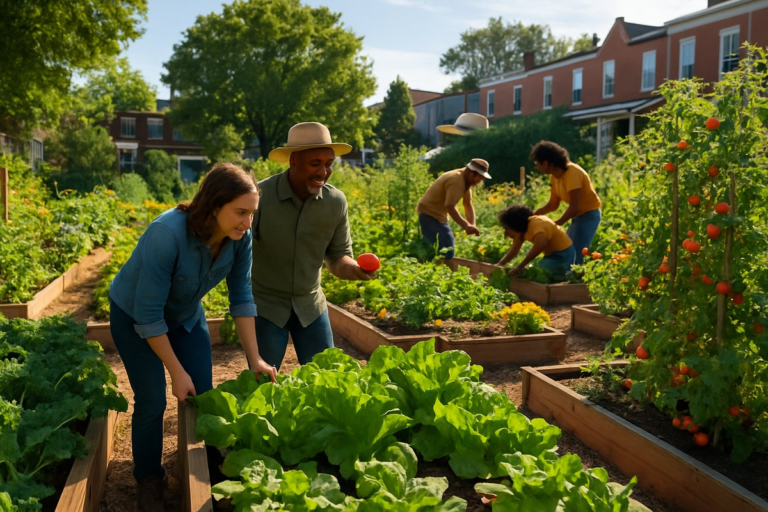
In neighborhoods across the country, a quiet revolution is underway as residents transform vacant lots into flourishing community gardens. These green oases are not only supplying fresh produce but also nurturing social connections, mental well-being, and a renewed sense of purpose.

Across cities and small towns, neighbors are trading talents instead of currency, from gardening tips to language tutoring. These grassroots skill swaps are forging human connections, boosting local resilience, and redefining what it means to help-and be helped-in a modern urban world.

In neighborhoods across the globe, pop-up listening booths are transforming sidewalks into storytelling stages. By inviting residents to record and hear each other's memories, these small installations nurture empathy, spark intergenerational exchanges, and stitch together fractured urban fabrics.
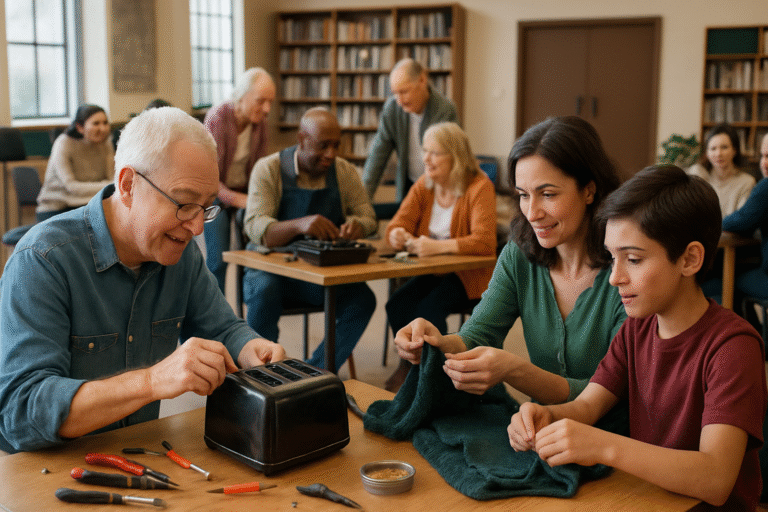
In living rooms, church halls and libraries around the world, repair cafes have sprouted as vibrant community hubs where strangers become collaborators, skills are shared and waste is reduced. Beyond simply saving a broken toaster or a torn sweater, these gatherings are reshaping how neighbors connect, learn and build resilience together.
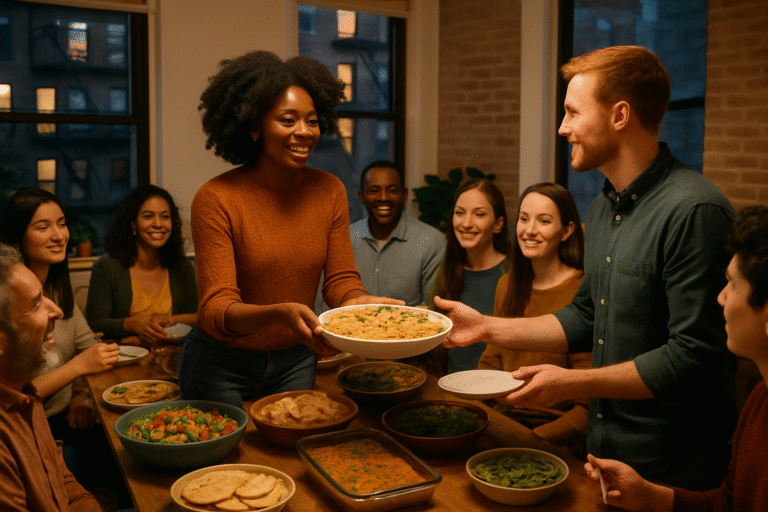
In cities around the world, informal networks of shared meals are stitching together neighbors who once felt like strangers. Potluck trails-where hosts open their doors to circulate dishes and conversation-are emerging as a low-cost, high-impact way to deepen social trust, reduce food waste, and celebrate cultural heritage.

Across cities large and small, unattended refrigerators stocked by neighbors offer fresh food, pantry staples and shared purpose. The community fridge movement is transforming public space into sites of mutual aid, reshaping how urban residents see one another and their own power to address food insecurity.
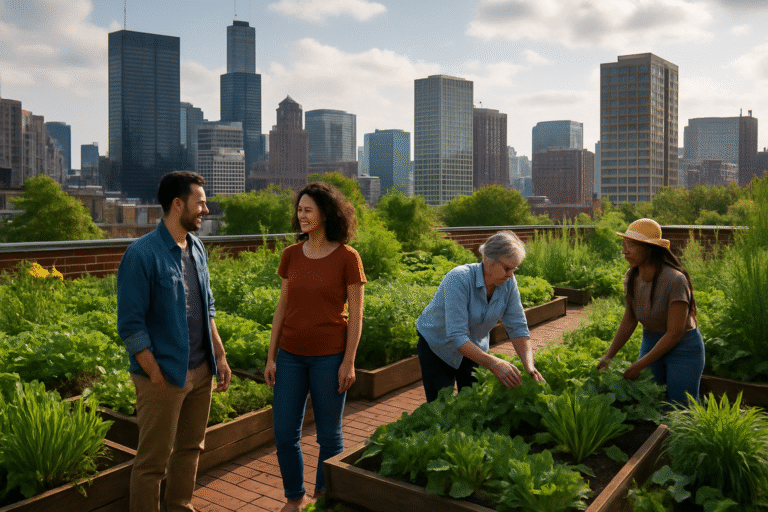
In cities where sidewalks feel more like speedways than meeting grounds, rooftop gardens are emerging as green oases-drawing neighbors together, reducing urban heat, and weaving new social ties overhead. From Chicago to Berlin, these elevated patches of green are reshaping how residents share space, skills, and harvests in the sky.

In cities worldwide, informal skill-sharing hubs are sprouting on street corners, in converted libraries and living rooms. Residents are bartering expertise-from coding tutorials to culinary lessons-fostering empathy, reducing waste and rethinking how communities learn and grow together.