Location
Mount Vernon, WA 98274
Location
Mount Vernon, WA 98274

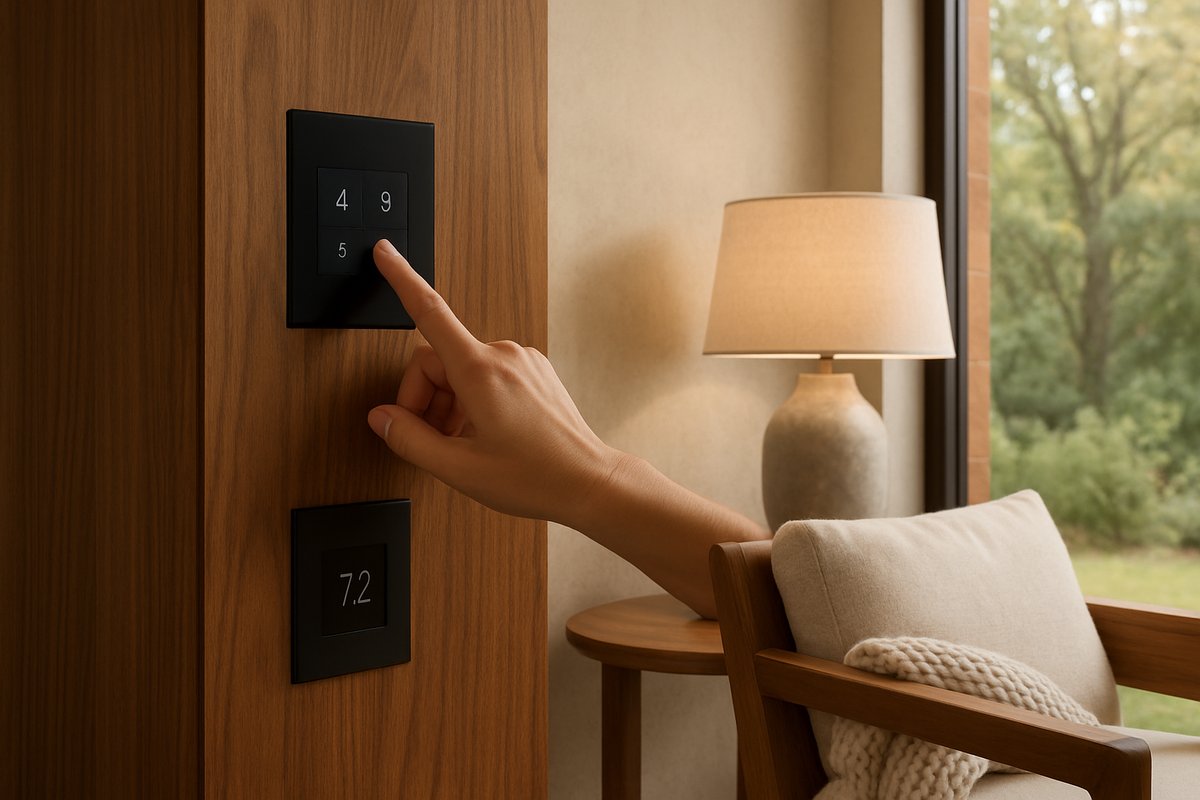
As automated devices move from novelty to necessity, the most successful home upgrades fuse technology with texture and intention. From energy-smart controls nestled in handcrafted wood panels to lighting schemes that follow circadian rhythms, this article explores how to design a living space that feels both cutting-edge and cocoon-worthy.
Today’s home improvement stories read less like wish lists for the latest gadgets and more like manifestos for intentional living. As sustainability and comfort take center stage, homeowners and renters alike are rethinking the raw functionality of smart devices. Instead of lining walls and shelves with plastic-clad sensors and screens, modern redesigns layer automation beneath natural materials, soft textiles, and a measured palette. The result is a living space that not only responds to voice commands and motion triggers but also breathes, flows, and cultivates a sense of well-being.
Across urban lofts, suburban retrofits, and rural cottages, the shift toward mindful automation is palpable. Rather than simply replacing analog appliances with their digital counterparts, designers are asking: How can technology serve daily rituals? How can sensors, schedules, and app-based controls support morning meditation, evening gatherings, or midday focus sessions? This new approach blurs the line between mechanical utility and experiential luxury, creating homes that feel alive.
One recent trend illustrates this perfectly: the integration of smart thermostats into custom-made wood panels. In a restored brick warehouse converted into a family dwelling, the homeowners hired a local woodworker to craft panels from reclaimed oak. Discrete cutouts reveal a slim touchscreen thermostat, seamlessly blending the digital readout with warm grains and knots. The result is far more inviting than the typical plastic interface, and it underscores a broader principle: marrying technology with craft elevates both.
Meanwhile, energy consumption has become a front-row concern. With utility rates climbing and environmental awareness rising, more families are adopting multi-zone smart thermostat systems that learn daily habits. These devices go beyond simple scheduling, using machine-learning algorithms to detect when rooms are empty and adjust temperatures accordingly. In one case study, a four-bedroom home in a temperate climate saw a 20 percent drop in heating and cooling bills within three months of installation. The real win, though, was the newfound ease of comfort adjustments-no more fiddling with dials or guessing if a room needed extra warmth.
Of course, heating and cooling are just one piece of the puzzle. Lighting design has also undergone a renaissance. Dimmable LED bulbs and addressable light strips once felt high-tech and clinical, but designers now pair them with artisanal fixtures, rattan shades, and soft linen lampshades. By selecting products that allow tunable white temperatures and customizable color accents, residents craft scenes that adapt to the time of day. A warm amber glow mimics candlelight during dinner, while cool daylight tones support afternoon productivity. Even small clusters of intelligent bulbs, controlled through a central hub or mobile app, deliver a theater-quality shift in mood at the tap of a finger.
Integrating smart devices often raises questions about privacy and data sharing. To navigate this, some homeowners have turned to on-premises network solutions rather than cloud-only services. Open-source home-automation platforms can run on a local server, enabling encrypted communication between sensors and controllers without sending personal data to distant data centers. While this route demands more upfront setup and occasional troubleshooting, advocates argue the extra effort pays dividends in personal security and uptime-your lights won’t blink off if a corporate server incapacitates your smart plugs.
Beyond the mechanical and ecological dimensions, there’s a strong emotional through line: cozy essentials remain as important as high-tech bells and whistles. Soft rugs, velvet accent pillows, and woven throws provide tactile relief from sleek metal surfaces and capacitive touch panels. In one Brooklyn townhouse renovation, the homeowner installed voice-activated speakers that double as sculptural bedside lamps wrapped in hand-knit covers. When a command triggers an evening playlist or a gentle wake-up chime, the experience never feels sterile; it feels human.
Even window coverings are getting the smart treatment. Automated shades with integrated light sensors can raise or lower themselves according to the angle of the sun, optimizing natural light and privacy without manual intervention. Combine this with UV-blocking fabrics or layered curtains, and a room can transform from bright and airy in the morning to a hushed, theater-like ambiance in the evening. The interplay of material, technology, and choreographed motion feels like a living installation rather than a static interior design choice.
Modular furniture is another area where intention meets invention. Pieces that lock together, expand, or nest within one another allow rooms to morph on demand-an open workspace by day becomes a cozy reading nook by night. Some manufacturers now embed wireless charging pads into tabletops and armrests, eliminating cable clutter. Others incorporate hidden compartments for smart hubs and power strips, keeping the infrastructure of modern convenience out of sight.
Community sharing platforms have accelerated the pace of innovation as well. Online groups dedicated to smart-home DIY tips showcase thousands of user-submitted projects each month. From 3D-printed sensor brackets to upcycled vintage radio enclosures housing voice assistants, these communal ideas inspire homeowners to experiment. While not all hacks are polished enough for every living room, the collective creativity underscores a desire for homes that reflect individual identity and craftsmanship.
Looking ahead, the fusion of sustainability, automation, and coziness will only deepen. Emerging materials like bio-composite panels made from agricultural byproducts promise to bring natural textures into smart fixtures. Low-power wireless protocols are making battery-powered sensors more versatile and long-lived. Artificial-intelligence-powered assistants may soon recommend action sequences-lower blinds, draw curtains, play a meditation track-based on real-time analysis of environmental data and personal routines.
Ultimately, a truly intentional home arises from a dialogue between inhabitant and environment. The smartest device in the world falls flat if it doesn’t feel like part of the story you’re living. By aligning high-tech automation with quality materials and thoughtful design, your space becomes more than a collection of objects-it becomes a sanctuary that adapts thoughtfully to your life.
With this in mind, consider which corners of your home could benefit most from a mindful upgrade. Start small-a single room’s lighting scheme, a local-only smart hub, or a multi-zone thermostat. As you build on each success, you’ll find the balance between precision control and sensory warmth. When technology and craftsmanship move in harmony, a house ceases to be just walls and glass; it becomes a living system, ever-evolving and endlessly welcoming.
New discoveries and user stories emerge every week, inviting us to reimagine our domestic landscapes. Whether you’re automating chores, reducing bills, or simply crafting cozier moments, the path forward is yours to define. So select your next smart upgrade with care, weave it into a tapestry of texture and light, and witness how technology can nurture comfort as much as convenience.
Ready to take the next step? Here are a few carefully chosen products to inspire your journey into intentional smart living.