Location
Mount Vernon, WA 98274
Location
Mount Vernon, WA 98274

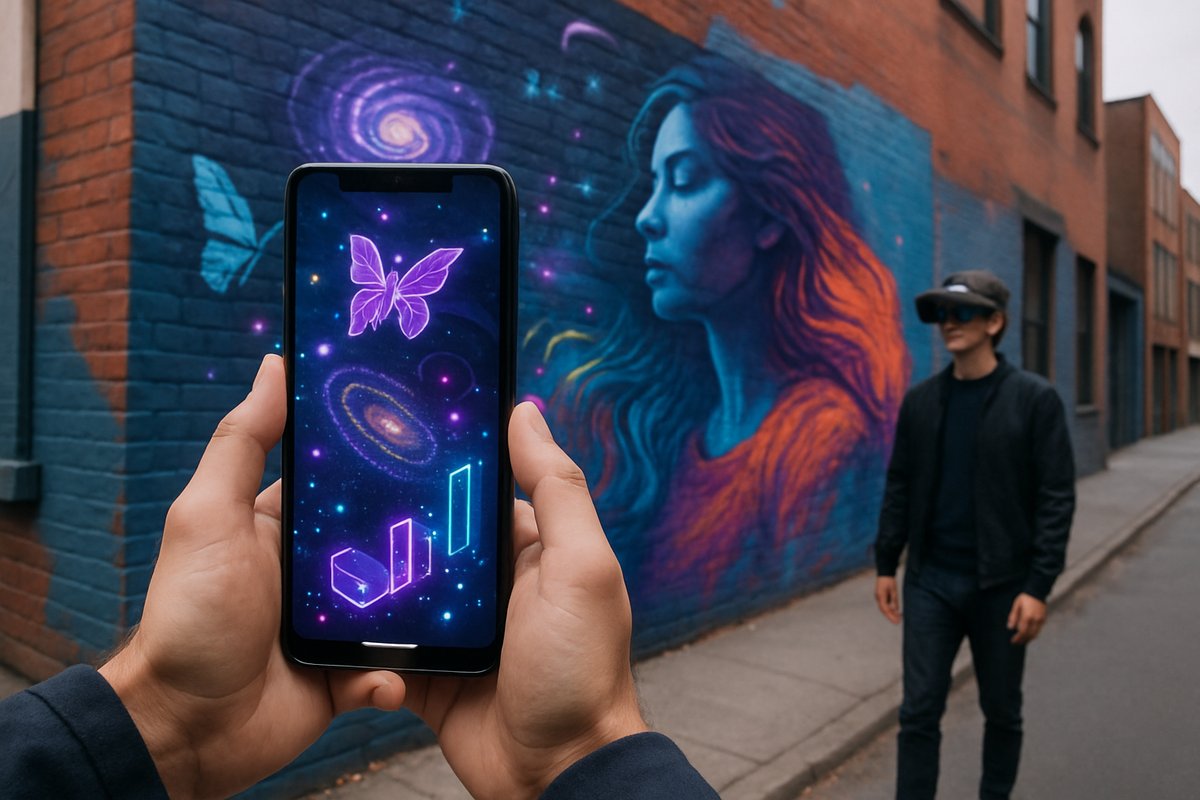
Across the globe, street artists and technologists are teaming up to layer digital animations, interactive soundscapes and living data onto static murals. This wave of augmented reality (AR) public art is transforming sidewalks into immersive galleries, inviting passersby to explore hidden narratives through their smartphones and AR headsets.
On a crisp evening in Miami’s Wynwood district, a crowd gathers beneath a forty-foot mural of a hummingbird. At first glance, it’s a vivid display of spray paint and stenciled patterns. But when viewers tap the screen of their smartphones, the feathers begin to rustle, the bird chirps and a swirl of pollen particles drifts off the wall. This is augmented reality mural art in action-a convergence of street-level craftsmanship and code that invites passersby to look twice and step inside.
In the last two years, cities from Berlin to Bogotá have hosted AR-enhanced mural festivals that overlay animated creatures, data visualizations and user-driven soundscapes on existing street art. By pointing an app at a wall, viewers unlock hidden layers of narrative, turning alleys and public squares into interactive storybooks. The result is a hybrid form of visual expression where paint and pixels meet, and creativity extends into the digital ether.
Last spring, Wynwood Walls rolled out its first AR festival, featuring installations by local street artists alongside digital animators. One standout piece showcased climate data for the Florida Everglades: as you scanned the painted riverbanks, rising water levels appeared in translucent overlays above the mural, accompanied by recorded sounds of wind and storm surges. The artwork became an educational tool, using AR to dramatize a pressing environmental crisis and inviting viewers to engage with real-time data on sea-level change.
Over in Europe, Berlin’s Artivive Collective has been championing AR for muralists since 2019. At the 2023 Artivive Festival, dozens of walls across Kreuzberg burst into motion after sunset. A monochrome portrait of a dancer morphed into a full-color performance, the figure swaying to electronic beats played through visitors’ headphones. Meanwhile, an abstract composition of geometric lines fractured into shards of light that users could rearrange in real time, composing their own patterns and sharing them on social media with a single tap.
Behind these spectacles are user-friendly AR creation platforms that require little coding knowledge. Artists can paint a mural, photograph it with a phone and upload key points to an online studio. They then layer animations or sound triggers in a web-based interface, pinning digital assets directly to sections of the mural. When the app detects the right visual markers, it locks on and begins playback. For emerging artists, these tools lower the barrier to entry, merging graffiti stencils with motion design and sound engineering-all in one creative workflow.
Yet it isn’t without technical hurdles. AR murals often struggle with variable lighting-direct sunlight can wash out image-tracking markers, while harsh shadows confuse the algorithms. Urban landscapes add another layer of complexity: passing cars, crowds and even rain can interrupt a viewer’s connection with the art. To compensate, creators are exploring infrared markers that remain invisible to the naked eye but reliably trigger digital overlays in tough lighting conditions.
Beyond the technical, there’s a philosophical conversation unfolding around impermanence. Traditional murals fade and flake; AR layers exist only so long as servers run and apps stay updated. When a gallery shutters its AR platform or an app developer withdraws support, entire digital narratives vanish overnight. Yet some artists see this ephemerality as part of the appeal-capturing a moment in time, a fleeting experience that demands presence and participation.
Communities, too, have responded with enthusiasm. In Bogotá’s La Candelaria neighborhood, city officials partnered with a local design collective to map historical anecdotes onto colonial-era walls. Tourists walking the cobblestone streets scrolled through AR portraits of early settlers, indigenous storytellers and revolutionary figures. Engagement metrics collected over a three-month run showed a 60 percent increase in foot traffic to nearby museums and cultural centers. For residents, the digital stories helped spark conversations about heritage and collective memory.
As AR murals gain traction, urban planners are beginning to weave them into long-term development. In Rotterdam, a pilot project designated several underpass walls for AR art, transforming once-dreary walkways into dynamic gateways for commuters. The project’s designers installed QR codes at street level to supplement the AR triggers, ensuring that even users with basic phones could access text-based stories about local ecology and planned green spaces.
Looking ahead, the next frontier may lie in wearable AR glasses that free viewers from smartphone screens. Designers are experimenting with lightweight frames that recognize painted murals and project animations directly into the wearer’s field of vision. Imagine strolling through a neighbourhood and watching murals bloom, morph or react as you pass by-no tapping required. While consumer-ready hardware is still on the horizon, prototypes have already sparked new collaborations between optical engineers and street artists.
Of course, the shift towards digital layering raises questions about accessibility. Not all city dwellers own smartphones powerful enough to run AR apps, and data costs can deter sustained engagement. Some grassroots collectives are addressing this by installing free-to-use tablets in public kiosks or lending devices to local schools, ensuring that AR art remains a community resource rather than an exclusive novelty.
From Miami’s climate-data murals to Berlin’s kinetic portraits, augmented reality is rewriting the rules of public art. It asks us to look closer, to lift our phones in search of secrets behind the paint. It also demands we consider how digital layers can be preserved-or intentionally made to vanish-when the festivals end and the crowds disperse. In the end, AR murals are more than a high-tech gimmick: they’re a living dialogue between artist, audience and environment, inviting each of us to co-author the story unfolding on the walls around us.
As this scene continues to evolve, the challenge for creators will be balancing spontaneity with durability, technical wizardry with emotional resonance. But if the past few years are any indication, the marriage of graffiti can and digital code will yield countless surprises-transforming blank walls into portals of wonder.