Location
Mount Vernon, WA 98274
Location
Mount Vernon, WA 98274


As traditional schooling evolves, families are embracing new roles as educators, collaborators, and community builders. From interest-driven projects to mindful screen habits, parents are weaving flexibility and resilience into daily routines. This article explores practical strategies, challenges, and resources that empower modern households to cultivate a richer learning environment.
Every evening, the Rodriguez family gathers around the kitchen table, but instead of homework worksheets, the conversation unfolds with open-ended questions: What would you build if money and tools were no object? How could we solve a neighborhood challenge this weekend? That scene is emblematic of a broader shift in parenting and education, as more households recognize that learning extends far beyond textbooks and test scores.
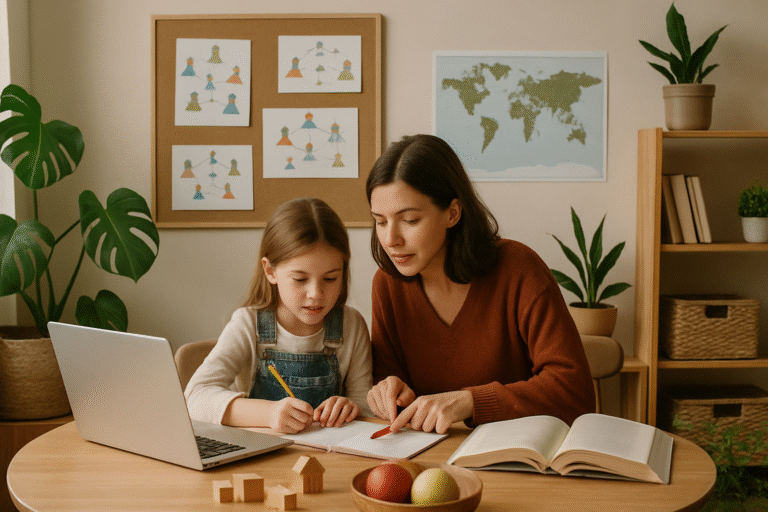
In recent years, parents have transformed from passive chaperones of standardized curricula into active partners in their children’s growth. This isn’t about replacing school; it’s about supplementing it with experiences that spark curiosity, foster resilience, and honor each child’s unique interests. Whether it’s a weekend trip to a local greenhouse for a biology lesson among succulents or an afternoon spent coding a simple video game, families are discovering that learning can happen anytime, anywhere.
At the heart of this trend is a desire for flexibility. Traditional school calendars and daily timetables often conflict with the way individual children learn best. Some kids thrive with structure and clear deadlines, while others blossom when lessons are integrated into real-world passions. Parents are experimenting with micro-schedules that blend core subjects in the morning and project-based exploration in the afternoon. This approach allows siblings to pursue different activities simultaneously, from writing short stories to building miniature robots.
Technology plays a dual role in this landscape: it offers unparalleled access to educational resources but also presents distractions that can fragment attention. To strike a balance, many families establish daily rituals around screen time. One household might dedicate the first hour after devices are powered on exclusively to interactive science experiments or virtual museum tours. Later in the evening, a device-free period encourages board games, reading aloud, or neighborhood walks designed to prompt spontaneous conversations.
Community has become another vital pillar. Informal learning circles often spring up around shared interests-gardening clubs that teach plant biology, backyard astronomy gatherings complete with star charts, or parent-led art cooperatives that transform a spare garage into a pop-up studio. These grassroots initiatives foster collaboration among families, reduce the demands on any single parent, and create a network of support for troubleshooting challenges. More importantly, they model the power of collective wisdom and shared responsibility.
While enthusiasm runs high, steering this new path comes with hurdles. Juggling work commitments, extracurriculars, and household duties can strain even the most organized family. Parents worry about maintaining academic standards and keeping pace with social development milestones. Inequities in access to resources-such as reliable internet or dedicated workspace-widen existing gaps. In response, several school districts and nonprofit groups have expanded loan programs for laptops, mobile Wi-Fi hotspots, and portable learning kits that include basic art supplies, manipulatives for math exploration, and age-appropriate reading materials.
Emotional well-being is an equally pressing concern. Children navigating a more self-directed learning environment may experience feelings of uncertainty or anxiety. Family check-ins, often structured like brief, daily stand-up meetings, provide a forum for everyone to voice frustrations and celebrate successes. Some parents encourage reflection journals where kids record three things they learned each day and one challenge they overcame. This practice builds metacognitive skills and reinforces a growth mindset, helping young learners view obstacles as opportunities to develop perseverance.
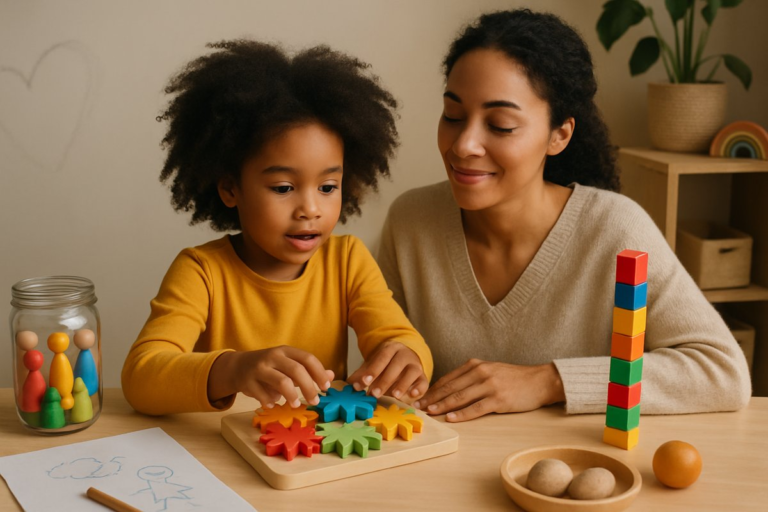
Experts in child development highlight the importance of play-based learning, noting that imagination and problem-solving flourish when children are free to experiment without fear of failure. Simple materials-cardboard boxes, recycled containers, wooden blocks-can inspire elaborate engineering feats. When parents resist the impulse to direct every activity, they give children space to discover strategies on their own. That process nurtures confidence and the ability to adapt when plans change.
Structured field trips are making a comeback on weekends, too. Families coordinate visits to farms, science centers, and cultural festivals where guided tours blend formal instruction with immersive experiences. A trip to an urban sustainable farm, for example, might combine lessons in ecology, nutrition, and local history. Parents report that these outings generate memorable “aha” moments that fuel further curiosity when back at home.
At the same time, many parents still rely on proven resources. Open educational platforms provide video lessons, interactive quizzes, and discussion forums moderated by educators. Parents curate playlists of short tutorials on topics ranging from basic coding to classical music appreciation. The key is moderation: rather than binge-watching lectures, families schedule bite-sized modules that integrate seamlessly with hands-on activities. A 15-minute video on geometric patterns might be followed by designing tile mosaics out of craft foam.
To bridge the gap between home and school, some parents partner with teachers to align project themes with classroom objectives. A history unit on ancient civilizations can dovetail with a family-led excavation simulation in the backyard. Kids use small trowels and brushes to unearth hidden artifacts-decorated stones or clay models-that spark discussions about archaeology, anthropology, and scientific documentation methods.
Digital detox nights have also become a ritual in numerous households. Once a week, all screens are collected into a communal basket at dinnertime. Families opt for analog entertainment-storytelling sessions, stargazing with a simple telescope, or cooperative cooking experiments that teach measurements, following steps, and chemistry. These evenings offer a chance to unwind together and remind everyone that presence and connection are as vital as any lesson plan.
Inclusive learning remains a guiding principle. When siblings or neighbors have differing abilities or learning styles, mixed-age and multisensory activities allow each child to engage at their own level. Tactile materials, audio recordings, visual storyboards, and movement-based games cater to diverse needs. Parents often swap tips on adapting household items into learning tools: a roll of painter’s tape becomes a giant number line on the floor; a stack of magazines turns into a cut-and-paste vocabulary collage.
Sustainability values also shape many of these initiatives. Teaching children about the life cycle of plants leads to garden projects that reuse plastic containers for seed starters. Upcycling becomes a lesson in both creativity and environmental stewardship. Families track waste reduction progress on simple charts, celebrating milestones like “First Zero-Waste Picnic,” where all snacks come in reusable cloth bags and stainless steel containers.
Despite the enthusiasm for innovation, parents emphasize that not every day can be a groundbreaking experiment. Routine tasks-math drills, reading practice, spelling quizzes-still have a place. The trick is weaving them into broader narratives. A math worksheet on fractions might morph into a baking project where measuring cups and ratios become the real-world application. A chapter read aloud from a science-fiction novel can trigger a conversation about planetary ecosystems and inspire a homemade terrarium.
Looking ahead, researchers predict that hybrid learning models will become the norm rather than the exception. Schools may offer blended schedules that combine in-person instruction with guided at-home modules, while families refine their roles as facilitators and mentors. Local governments and educational nonprofits are exploring policies to support flexible learning grants, shared co-working spaces for students, and subsidized access to experiential outings.
For many parents, the ultimate goal is simple: to cultivate a lifelong love of learning. By framing education as an ongoing family adventure, they hope to instill curiosity, empathy, and adaptability-qualities that will serve children well far beyond the walls of any classroom. The journey may not always be smooth, but each challenge presents an invitation to innovate, reconnect, and grow together.
As the Rodriguez family clears the dishes and tucks in for the night, they reflect on the day’s discoveries-how a stray cloud of flour in the kitchen became a lesson in suspension and airflow, or how mapping the neighborhood’s old trees led to stories of local history. In weaving moments like these into their routine, they’re redefining what it means to parent and educate in a world full of evolving possibilities.