Location
Mount Vernon, WA 98274
Location
Mount Vernon, WA 98274


Across cities and small towns, neighbors are trading talents instead of currency, from gardening tips to language tutoring. These grassroots skill swaps are forging human connections, boosting local resilience, and redefining what it means to help-and be helped-in a modern urban world.
Communities everywhere are discovering that wealth extends far beyond bank balances. In quiet suburban streets and bustling urban blocks alike, a new kind of marketplace is emerging-one where skills serve as currency. Instead of hawking homemade crafts or secondhand furniture, residents gather to exchange talents: a neighbor teaches guitar in exchange for bike maintenance; one offers cooking lessons in return for help with homework. These neighborhood skill swaps are rewiring social networks, building deeper trust, and giving everyday expertise a renewed sense of value.
While organized barter dates back centuries, the modern skill swap movement is distinctive in its inclusivity and low barriers to entry. Unlike formal time banks or complex credit systems, these gatherings often require no registration fee or digital platform. A simple community notice, a local social media group, or a bulletin board inside a shared workspace can spark the next get-together. In Portland, a weekly swap meetup at a repurposed warehouse has attracted more than fifty regulars, representing interests as varied as furniture upcycling, beginner coding workshops, and conversational Spanish practice.
Behind this momentum lies a shared desire to reclaim the human aspect of coexistence. Annual surveys by several urban sociology centers have pointed to rising feelings of isolation, even as social media use soars. Skill swaps answer this by forcing face-to-face interaction and mutual dependence. When someone offers up an afternoon of landscape design, they find themselves not just teaching but learning. A novice coder who leads a small workshop might walk away with an impromptu lesson on composting from a retiring master gardener.
City planners and nonprofit groups have taken note. The Transition Town movement, which originated in Totnes, England, has incorporated skill-sharing fairs into its toolkit for boosting local resilience. In more than fifty communities worldwide, from Toronto to Tokyo, monthly gatherings encourage residents to post skill cards on public walls-small brightly colored flyers listing what they can teach and what they hope to learn. Within days, matches are made. The entire process can happen without digital matchmaking, relying instead on serendipitous hallway conversations or chalked sidewalk arrows that point participants toward the nearest swap zone.
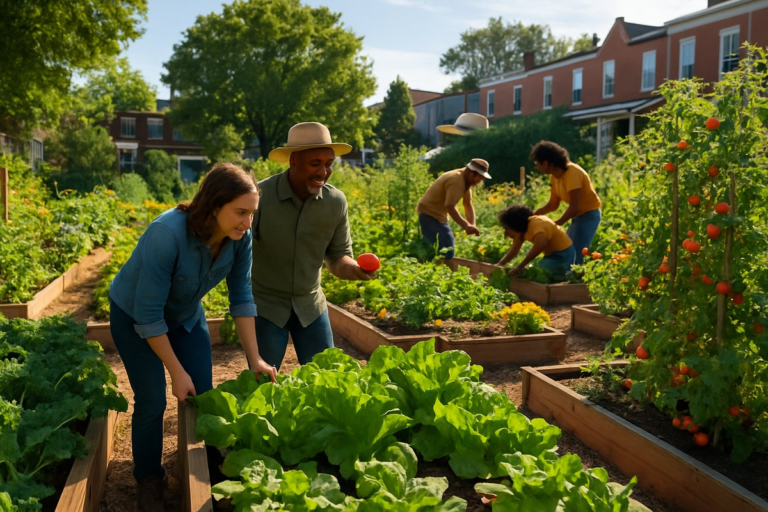
As relationships deepen, the benefits multiply. Some neighbors who began as teacher and student evolved into entrepreneurial collaborators. A graphic designer who traded logo-making sessions for drone-photography lessons later joined forces with that same drone enthusiast to launch an aerial mapping side business for local gardens. Another small group turned a basement skill swap into a community co-working and workshop space, hosting weekend classes on everything from auto repair to bread baking.
Organizers emphasize that these events thrive on simplicity. One East London volunteer recalls that all it took to kick off her neighborhood’s first swap was a long folding table, a set of index cards, and a thermos of tea. Today, they’ve added a small lending library of workshop tools-sewing machines, prototype-friendly electronics kits, and a communal 3D printer. But many groups still prefer to stay lean, encouraging participants to bring whatever they already own. This grassroots approach keeps costs minimal and creativity high.
Challenges do arise. Scheduling conflicts can leave a deeply desired skill without a willing tutor, and mismatches in teaching styles can dampen enthusiasm. To address this, some communities have adopted rotating “open mic” formats, where anyone can take the floor for a ten-minute demonstration or pitch. These micro-sessions reduce pressure on individual tutors and give everyone a chance to sample new topics before committing to a full trade.
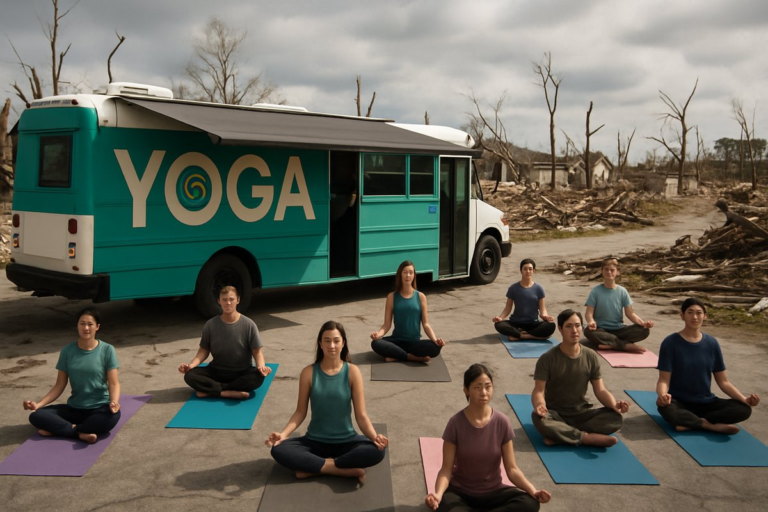
Beyond technique exchange, skill swaps foster a sense of mutual care during crises. When a sudden storm knocked out power across several neighborhoods in Melbourne, local swap participants quickly mobilized. One member with solar panel expertise offered rapid-response guidance to set up small off-grid systems; others provided basic carpentry help to board up broken windows. Though they began as casual barter partners, these neighbors leaned on each other in unexpected ways.
For beginners eager to launch their own skill swap, experienced organizers recommend a few guiding principles. First, start small and visible: a pop-up table at a weekend farmers market or a bench by a busy park entrance. Second, publish clear, concise “offer” and “request” cards so newcomers know exactly who to approach. Third, designate a volunteer coordinator-not to oversee every trade, but to keep calendars organized and help newcomers feel welcome.
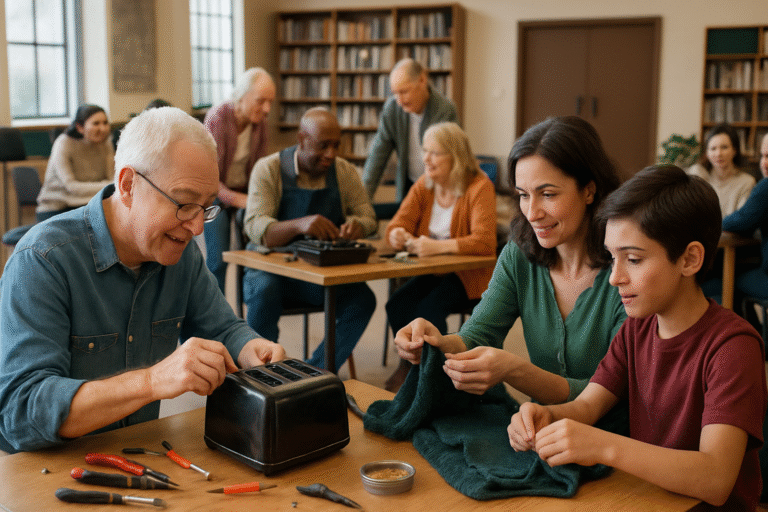
Local libraries and community centers are prime partners. Many already host book exchanges and story hours; converting unused meeting rooms into swap venues requires little more than arranging folding chairs and a sign-in sheet. Some libraries have even begun to offer “maker hours,” lending out soldering irons, laser cutters, or knitting machines alongside classic keyboards and textbooks.
Beyond physical meets, digital tools can enhance the reach of a skill swap without dominating it. Simple group chats let participants request last-minute cancelations or share video tutorials when face-to-face time isn’t possible. But organizers caution against full reliance on apps: over-formalizing the process risks turning a warm neighborhood ritual into yet another transactional platform.
In many ways, the skill swap movement is a rediscovery of old-fashioned neighborliness, reframed for a digital age. It thrives on curiosity, shared humanity, and the graceful acceptance that everyone has something to teach and something to learn. As urban life grows ever more complex and cost of living continues to climb, these grassroots exchanges offer an antidote: a reminder that human capital-friendship, creativity, know-how-can be the most valuable currency of all.
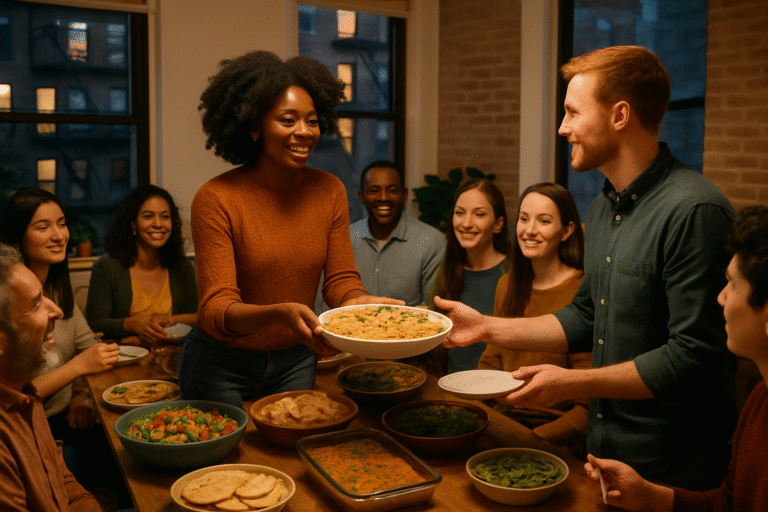
For city dwellers wondering how to plug in, the door is always open. Whether you’re a complete novice or an accomplished artisan, there’s a corner to claim, a card to pin, and a neighbor eager to swap stories, skills, and smiles. In these modest gatherings, the true magic is what emerges: a web of connection that outlasts any single trade and transforms anonymous apartment blocks into supportive communities.