Location
Mount Vernon, WA 98274
Location
Mount Vernon, WA 98274

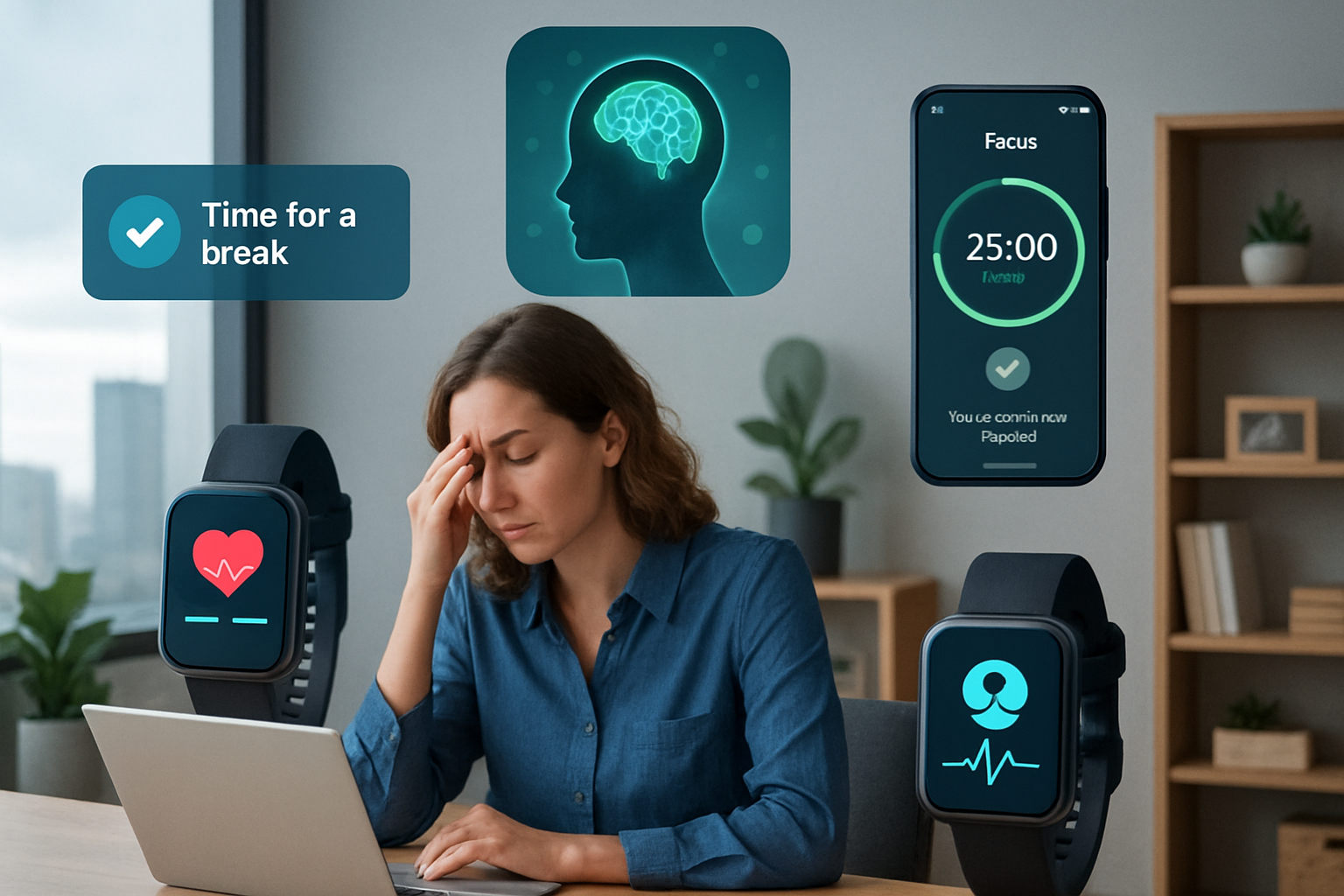
As companies refine hybrid work models, a new wave of digital wellness solutions is emerging to address fatigue, maintain focus, and safeguard mental health. From AI-driven break reminders to immersive concentration apps, these tools promise to redefine how professionals stay balanced and productive in the evolving workplace.
The shift to hybrid and remote working has sparked a surge of interest in digital wellness tools aimed at combating screen fatigue and preserving mental wellbeing. In recent months, businesses of all sizes have begun integrating a range of software solutions and hardware accessories designed to help employees manage stress, maintain healthy routines, and stay focused amid the endless stream of notifications. This trend not only reflects the growing pains of an increasingly distributed workforce but also highlights the need for organizations to adopt proactive measures that safeguard creativity and performance.
According to a global survey by a leading research firm, nearly seven in ten professionals now report higher levels of digital exhaustion compared to a year ago. Many cite long hours on video calls, the blurring of home and work boundaries, and information overload as key drivers of declining morale. Employers are responding by piloting platforms that encourage regular screen breaks, limit notifications after hours, and provide real-time analytics on individual and team wellbeing. This holistic approach marks a departure from the early days of remote work, when laptops and collaboration apps alone were thought sufficient.
One of the most popular categories of wellness solutions focuses on micro-break reminders. These lightweight applications prompt users to pause after a set period of continuous computer use-typically every 25 to 45 minutes-to stretch, hydrate, or simply close their eyes for a minute. Early adopters report that these brief respites significantly reduce eye strain and physical tension. In addition, a handful of emerging services incorporate guided breathing exercises or short mindfulness sessions, tailoring breaks to personal preferences and stress levels.
Another class of tools uses AI-driven analytics to monitor keyboard and mouse activity, detecting signs of declining productivity or frustration. When certain patterns emerge-such as extended periods of typing without pauses or repeated rapid mouse movements-these programs can suggest a five-minute walk or a restorative digital break. While privacy advocates caution against overly intrusive monitoring, many employees appreciate the personalized recommendations that help them avoid burnout and sustain concentration throughout busy days.
On the hardware side, startups have introduced ergonomic accessories that blend seamlessly with digital wellness software. For instance, adjustable laptop stands come equipped with ambient lighting sensors, nudging users to adjust screen brightness or reposition their workspace when posture or room lighting becomes suboptimal. Some models synchronize with desktop applications to log posture improvements over time, offering visual dashboards that track progress toward healthier habits.
Perhaps the most surprising innovation comes from virtual reality (VR) and augmented reality (AR) platforms that transport users to tranquil environments during work breaks. By donning lightweight VR headsets, employees can step into a forest clearing or a beach sunset for a two-minute reset. Early trials at a handful of tech firms have shown promising results: short immersive breaks not only alleviate stress more effectively than desk-based pauses, but also increase overall job satisfaction.
Despite the enthusiasm around these new offerings, experts warn against viewing digital wellness tools as a panacea. A recent white paper published by an occupational health institute points out that such solutions must be part of a broader company culture that prioritizes flexibility, clear expectations, and empathy. Without policies that respect work-life boundaries and encourage face-to-face human connection-virtual coffee chats, team-building workshops, and manager check-ins-no amount of software can fully reverse the fatigue and isolation many remote workers face.
Companies leading the charge have begun to reassess their meeting strategies, reducing mandatory all-hands calls and encouraging asynchronous collaboration whenever possible. They are also experimenting with “core hours” that allow employees to choose when they work, rather than forcing everyone into a uniform nine-to-five schedule. In this context, digital wellness tools serve as reinforcement, helping individuals stick to the rhythms and workflows that suit them best.
Take the example of a mid-sized marketing agency that recently piloted a suite of break-prompting apps alongside a policy enabling employees to block three one-hour offline periods each week. Within two months, self-reported stress levels dropped by 22 percent, and project delivery times improved by nearly 15 percent. Team leads cited fewer instances of burnout and a noticeable uptick in creative idea generation.
Meanwhile, large enterprises have begun forging partnerships with mental health platforms that integrate seamlessly into existing productivity stacks. Employees gain access to confidential counseling sessions, mood-tracking surveys, and resilience-building exercises, all accessible via a single dashboard. Because these services can be scheduled directly from a work calendar, uptake rates are significantly higher than with standalone wellness portals.
However, integration challenges persist. IT teams must navigate data-privacy regulations, ensure interoperability across multiple operating systems, and guard against vendor lock-in. Small businesses, in particular, may find it difficult to allocate budgets for what can appear as “nice-to-have” extras amid tighter economic conditions. Analysts suggest that a tiered approach-focusing first on free or low-cost break reminders and posture trackers, then scaling up to paid counseling and VR experiences-can help organizations achieve quick wins without overcommitting resources.
Looking ahead, observers predict that digital wellness will converge with broader workplace analytics, giving managers a more holistic view of employee health in relation to productivity metrics. This data could inform organizational design choices, such as reimagining open-plan layouts, redesigning meeting cadences, or structuring project teams around individual work styles. As with any technology that touches personal health and behavior, ethical considerations will take center stage. Transparent data policies, opt-in frameworks, and robust security measures will be essential to maintain trust.
Ultimately, the hybrid work revolution offers an opportunity to reshape the professional landscape in more humane, sustainable ways. By weaving digital wellness tools into thoughtfully crafted policies and inclusive cultures, companies can help individuals thrive rather than merely survive. The new frontier lies not in more screens, but in smarter, empathy-driven technologies that honor the human need for rest, connection, and purpose.
For organizations planning their next generation of hybrid operations, the message is clear: invest in tools that foster healthy routines, prioritize mental wellbeing, and respect personal boundaries. The results can be transformative-saving talent, enhancing performance, and building resilience for the challenges yet to come.