Location
Mount Vernon, WA 98274
Location
Mount Vernon, WA 98274

From the crackle of volcanic lightning to the silent drift of ocean currents, the planet's forces constantly mold landscapes and human lives. Exploring the unexpected interplay between geology, atmosphere, and oceans reveals both new hazards and surprising opportunities for resilience.
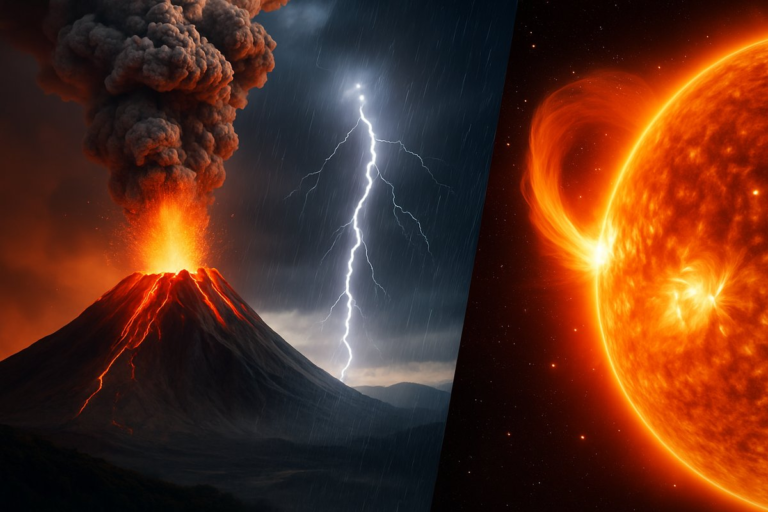
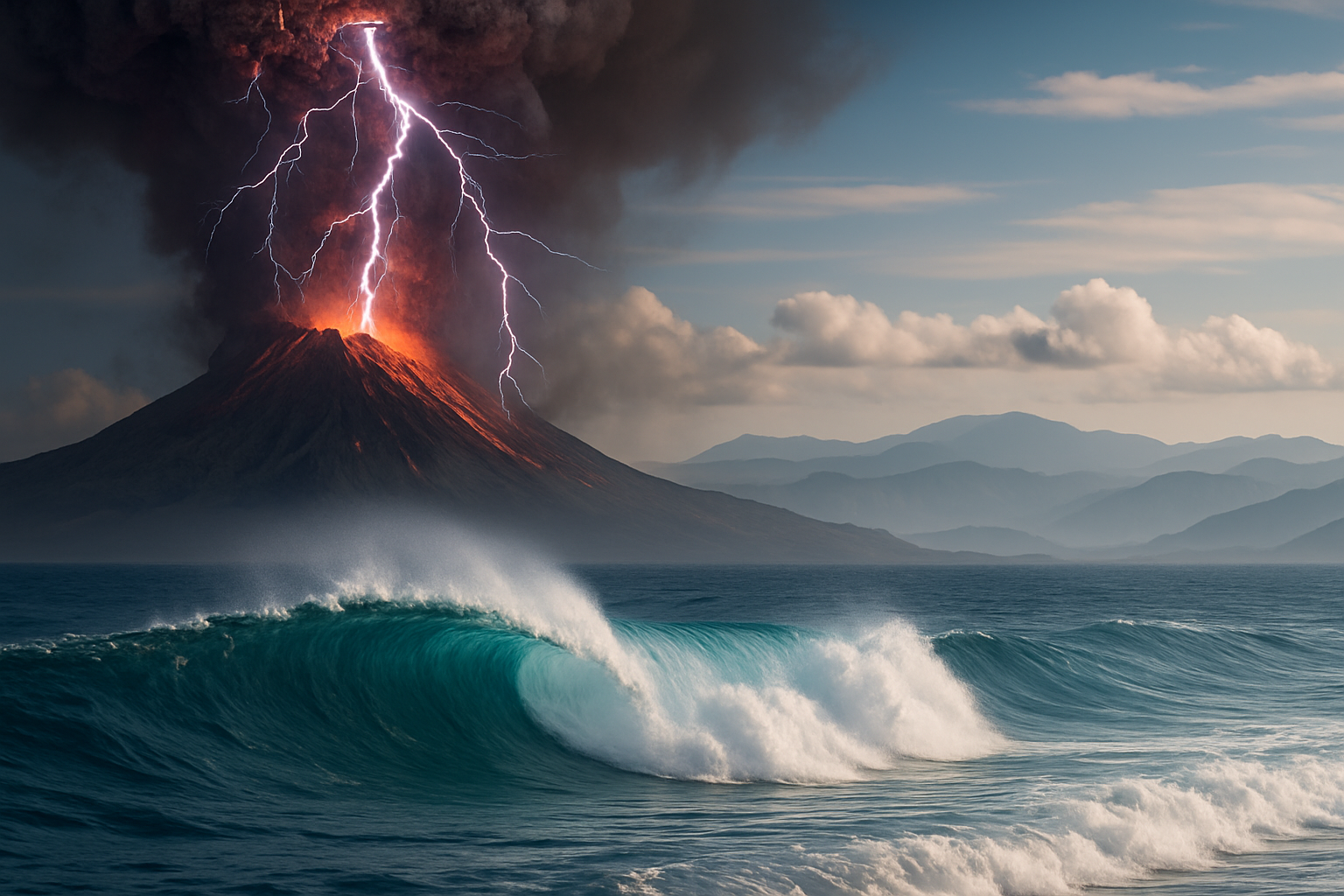
On a windswept coast where jagged cliffs meet a restless sea, an eruption sends columns of ash skyward. But amid the dark plume, streaks of lightning arc through sulfur-laden clouds. This celestial display isn’t an otherworldly birthright-it’s the result of charged particles colliding inside molten rock fragments. Volcanic lightning reminds us that Earth’s tectonic heartbeat and atmospheric currents are partners in an electric dance, with implications for aviation safety, climate studies, and even the spark of life itself.
Deep beneath our feet, immense pressures push and pull massive plates that ride atop a viscous mantle. When stresses exceed friction along fault lines, energy releases as seismic waves that ripple through continents. Earthquakes may shatter infrastructure and shape mountain ranges, but they also generate secondary phenomena-liquefaction of soils, landslides in steep valleys, and triggering of underwater landslides that can spawn tsunamis. Each event writes a chapter in the evolving story of landscapes, forcing societies to rethink building codes, early warning systems, and urban planning.
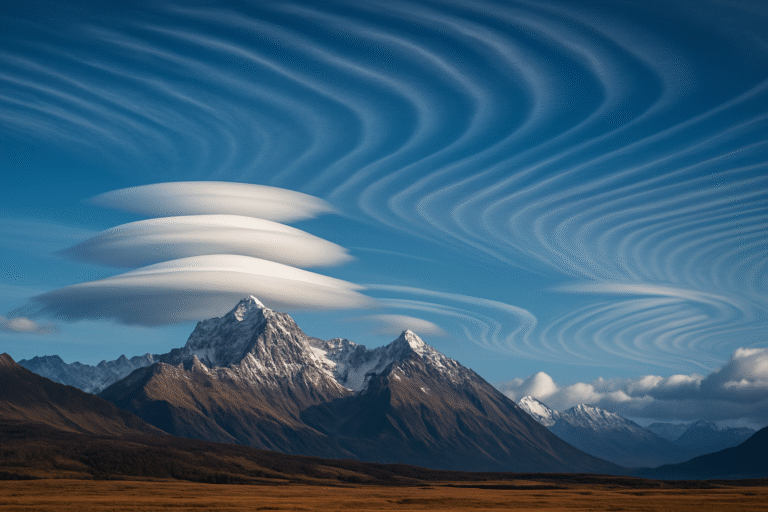
Meanwhile, above the land, jet streams act like invisible rivers of air, steering storm systems across hemispheres. Subtle shifts in temperature gradients can send a powerful cold front rumbling southward or nudge a hurricane off its usual path. In recent years, researchers have observed wavier jet stream patterns linked to diminishing polar-to-equator temperature differences-an effect some scientists tie to a warming Arctic. The result is a mosaic of extreme weather: heatwaves that shatter records, winters that stall into freezing gridlock, and heavy rainfall that overwhelms drainage systems.
Out at sea, the thermohaline circulation-sometimes called the ocean’s conveyor belt-transports warm surface waters toward the poles while sending colder, saltier currents deeper. This global loop moderates climate, fueling monsoon rains in distant continents and sustaining marine ecosystems. But increased freshwater input from melting glaciers and changing wind patterns risk weakening key branches of this system. A slowdown could cool parts of northern Europe even as the rest of the world warms, upend fish migrations, and alter hurricane formation zones.
On coastal shorelines, tides and storm surges collide, sculpting beaches and marshland over decades. Mangrove roots slow wave energy, building natural barriers that protect inland communities. Yet when tides amplify during atmospheric pressure drops and onshore winds, low-lying areas become inundated. Engineers now blend concrete seawalls with restored wetlands, giving nature room to breathe while guarding vulnerable populations. In regions that once relied solely on hard structures, the fusion of engineering and ecology points to a future where resilience is woven into living systems.
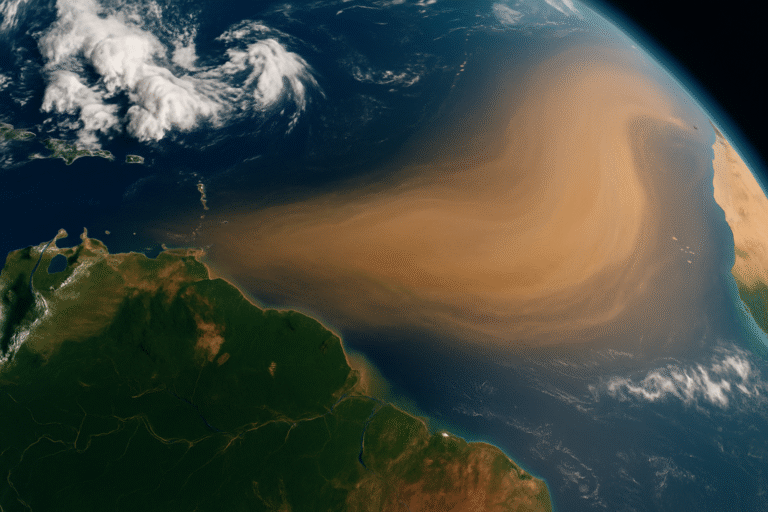
At high altitudes, mountain glaciers grind rocks into fine flour that winds carry hundreds of miles. Dust fertilizes forests, but also acts as nuclei for cloud droplets, influencing rainfall patterns. Satellite monitoring of these mineral plumes is shedding light on their global reach. In one recent study, dust from arid regions in Central Asia was tracked all the way to the western seaboard of North America, where it boosted springtime algae blooms. Such discoveries remind us that seemingly isolated terrains are connected through the thin veil of atmosphere.
Beneath the ocean floor, hydrothermal vents spew mineral-rich water that supports unique ecosystems. Giant tube worms, blind shrimps, and microbes thrive in temperatures above 350°F-yet their biological processes may hold clues to life’s origins and potential for survival beyond Earth. As deep-sea mining proposals advance, scientists warn of irreversible damage to these vents, where the interplay of heat, geology, and chemistry sustains communities found nowhere else on the planet.
Bioluminescent tides offer a quieter demonstration of natural power. In certain bays, microscopic plankton emit a ghostly blue glow when disturbed by waves or swimmers. The phenomenon can appear after nutrient-rich upwellings feed plankton blooms, creating a nightly light show. Visitors often feel a profound sense of wonder, but marine ecologists caution that changes in water temperature and pollution can disrupt this delicate cycle. Protecting coastal water quality becomes essential not just for recreation, but to preserve a fleeting cosmic spectacle.
For centuries, Indigenous cultures have revered these forces, embedding stories of wind spirits, earth quakes, and water guardians into oral traditions. Their observations of animal behavior, shifting sands, and stellar alignments guided farming, fishing, and migration. Today, combining traditional knowledge with modern instrumentation enriches our understanding. Community-led sensor networks, global positioning stations, and acoustic monitoring stations capture real-time data on volcanic tremors, glacier calving, and sand dune migrations-democratizing science and empowering local resilience.
Societies are adapting in innovative ways. In earthquake-prone zones, buildings now incorporate base isolation technology-giant shock absorbers that let structures glide gently during tremors. Coastal highways are being raised on stilts with breakaway road surfaces, reducing repair costs after storm surges. Farther inland, farmers plant agroforestry buffers that stabilize soils and intercept floodwaters. Small investments in early alert sirens, mobile apps, and community drills can mean the difference between a near miss and a catastrophe.
Advances in remote sensing and machine learning are refining forecasts of extreme events. High-resolution satellite imagery helps meteorologists spot thunderstorms forming over mountain ridges. Algorithms trained on decades of seismic and atmospheric data detect subtle patterns that might signal an impending landslide or hail storm. Yet these tools come with challenges: data privacy concerns, uneven access in developing regions, and the need to communicate uncertainty clearly to decision makers and the public.
Climate change adds a new dimension to Earth’s forces. Warmer oceans can supercharge hurricanes, while thawing permafrost undermines Arctic infrastructure built on formerly solid ground. In some polar regions, meltwater forms lakes that suddenly burst through ice dams, unleashing floods downstream. Researchers are racing to map these “glacial outburst flood” hotspots, advising communities to build early warning networks and adapt traditional lifestyles under shifting ice conditions.
But natural forces also offer opportunities. Geothermal heat from Earth’s interior powers sustainable energy projects in volcanic regions. Ocean thermal energy conversion taps temperature differences between surface and deep waters, generating power with minimal carbon output. Harnessing river currents through micro-turbines can bring electricity to remote villages. By channeling the planet’s kinetic and thermal energy, engineers aim to provide reliable power without further destabilizing the climate.
Beyond technology, nurturing a culture of respect and curiosity remains vital. Classroom programs encourage students to track local rainfall, monitor tide shifts, and even record star patterns before a storm to test folklore against data. Citizen science apps turn hikers into seismic observers by detecting earth tremors with smartphone accelerometers. These grassroots efforts foster a sense of stewardship and remind us that everyone can be a guardian of the dynamic planet we call home.
In the end, facing Earth’s hidden forces demands humility. We may predict volcanic eruptions days in advance, but we cannot command the rumble of magma beneath a volcano. We can map ocean currents, but a slight change in wind patterns can reroute weather systems halfway around the globe. By weaving traditional wisdom with cutting-edge science, and by designing communities to flow with natural rhythms rather than resist them, we stand the best chance of thriving amid the planet’s enduring power.