Location
Mount Vernon, WA 98274
Location
Mount Vernon, WA 98274

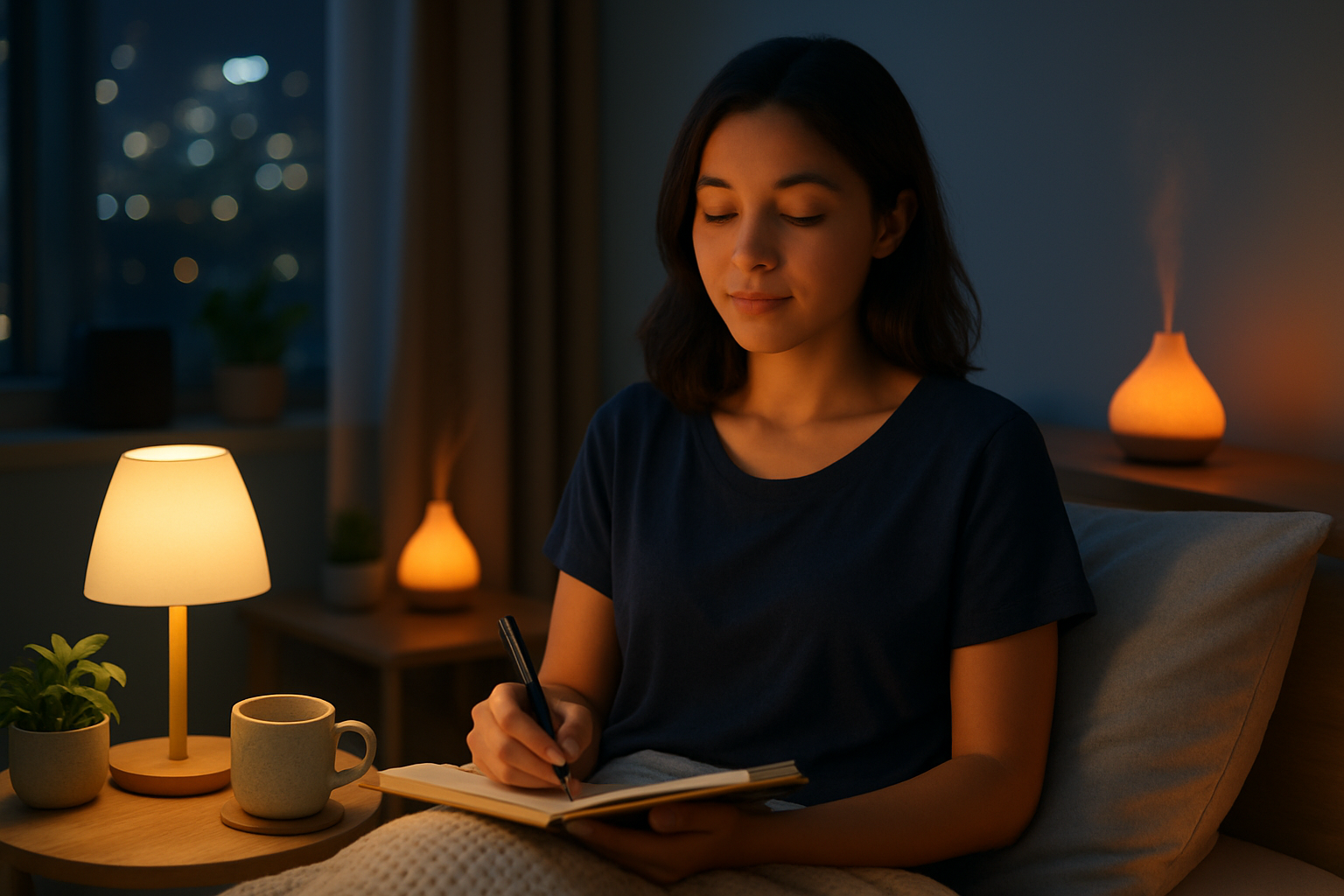
Amid rising insomnia and urban stress, city residents are crafting personalized evening rituals to soothe the mind and prepare for restorative sleep. From smart lighting and ambient soundscapes to mindful journaling and herbal infusions, these holistic routines blend technology and tradition to nurture circadian balance and emotional well-being.
A constant buzz of traffic, neon glow from office towers and the blare of late-night alerts have combined to blur the lines between work and rest for millions of city dwellers. Recent studies show that urban residents are nearly twice as likely to experience chronic sleep disturbances and stress-related fatigue compared to those in suburban and rural areas. As the pressures of modern life intensify, a growing number of people are turning their focus to nighttime wellness practices designed to reclaim the boundary between day and night, mind and body.
When marketing executive Leah found herself scrolling through work emails at midnight, her energy levels tanked the next morning. She decided to experiment with an evening ritual that combined dimmed lights, soft music and a few minutes of reflective journaling. Within weeks, she noticed a profound shift: her mind felt calmer, she fell asleep faster and woke up feeling refreshed rather than foggy.
Leah’s experience isn’t unique. Across major cities worldwide, from co-living lofts in London to high-rise apartments in Seoul, small but deliberate shifts in evening habits are reshaping how urbanites unwind. Experts call this movement the nightfall ritual renaissance-a path to regain rest in an age of perpetual activity.
Sleep scientists emphasize that circadian rhythms thrive on consistency. Exposure to bright screens and harsh lighting after sunset suppresses melatonin, the hormone that signals the body it’s time to sleep. Incorporating low-level amber or red lights, turning off nonessential notifications and scheduling a calming wind-down period of 60 to 90 minutes can strengthen the body’s natural nighttime cues.
Mindful journaling has also emerged as a cornerstone of evening wellness. Taking five to ten minutes to jot down the day’s accomplishments, lingering worries or gratitude entries helps offload mental clutter. By processing thoughts on paper, individuals report a marked decrease in nighttime rumination and anxiety. Cognitive behavioral therapists note that such reflective routines can function as a buffer between daytime stressors and sleep onset.
Alongside journaling, ambient soundscapes have leapt from niche meditation studios into mainstream living rooms. Streaming platforms now host playlists of gentle rain, distant forest murmurs or synthesized drones calibrated to low frequencies. These sounds mimic natural environments, tapping into our evolutionary affinity for biophilic experiences-an affinity often muted by concrete and steel.
Herbal rituals are contributing an aromatic layer to nightfall practices. Rooftop garden clubs and specialty tea bars in dense city districts have popularized blends featuring chamomile, lavender and passionflower. The ritual of steeping loose leaves, inhaling fragrant steam and savoring a warm cup fosters mindfulness through tactile and olfactory engagement. Herbalists caution that while most infusions are safe, consulting a healthcare provider is wise for those on medication or with specific health conditions.
Movement-based practices tailored for evening hours bring another dimension to urban nighttime wellness. Gentle yoga sequences, guided stretching or Yin yoga classes focus on releasing tension from shoulders and hips, areas known to accumulate stress. Community studios often offer sunset or candlelit sessions. For those who prefer home practice, short video tutorials allow customization of poses, duration and pace.
Aromatherapy and tactile comforts round out the toolkit. Essential oil diffusers with timer functions let users set a 30-minute aroma cycle that disperses calming scents like bergamot or cedarwood. Weighted blankets, modeled on therapeutic deep-pressure stimulation, have become a popular addition to living rooms and bedrooms alike. Users describe a sensation of gentle hug-like pressure that soothes the nervous system, making it easier to drift toward slumber.
What makes these evening rituals uniquely urban is their adaptability. City residents often lack private yards or quiet nooks, yet they leverage compact technologies and creative scheduling to carve out restful moments. Co-working spaces have begun offering nighttime lounge areas with dimmed lighting and noise-cancelling booths. High-rise apartment complexes coordinate “digital sunset” events on rooftops, where residents gather sans smartphones to share herbal teas, soft music and lantern-lit conversation.
App developers have responded by fusing data-driven insights with guided relaxation techniques. Wearable devices that track heart rate variability and skin temperature can now trigger an automated “evening mode,” signaling smart lights to shift to warmer hues and cue a series of breathing exercises. Privacy-minded users appreciate the on-device processing that keeps personal sleep data local rather than in the cloud.
Corporate wellness programs are also joining the trend. Some companies have started offering optional evening workshops on stress-release techniques, acoustic meditation and the science of sleep hygiene. Participants report feeling more supported in setting boundaries around after-hours communication and cultivating healthier work-life rhythms.
While these practices draw on diverse modalities, from ancient herbal lore to cutting-edge technology, they share common principles: intentionality, consistency and a multisensory approach. Synchronized steps-dim lights, mellow sound, reflective journaling, gentle movement, aroma therapy-can transform a chaotic urban night into a nourishing ritual.
Looking ahead, researchers anticipate an uptick in hybrid communal rituals tailored to local neighborhoods. Pop-up “night markets” for well-being, featuring silent meditation corners, tea tastings and acoustic harp performances, could become fixtures in revitalized city blocks. Architects and urban planners are eyeing designs for residential buildings that incorporate configurable lighting pods, soundproofed alcoves and micro-green sanctuaries where residents can engage in personalized evening rituals.
As urban life accelerates, reclaiming rest has become both a personal quest and a collective mission. The resurgence of evening wellness rituals illustrates a broader shift: valuing pause, presence and self-compassion even amid the highest-energy urban environments. By embracing thoughtful nighttime practices, city dwellers are finding new ways to honor their circadian biology while nurturing the emotional intelligence required to thrive in a world that never sleeps.