Location
Mount Vernon, WA 98274
Location
Mount Vernon, WA 98274

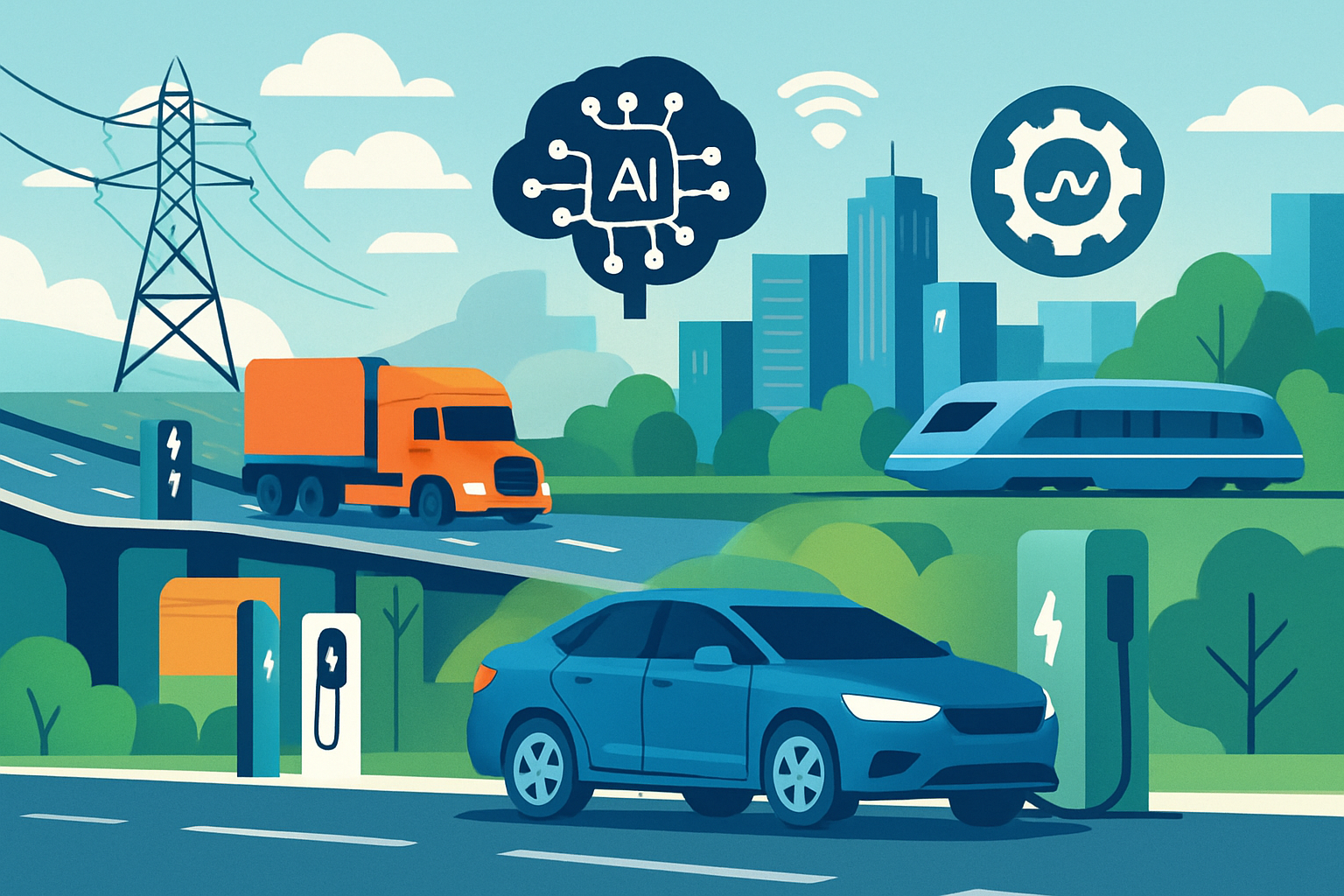
A wave of new technologies is reshaping how we move people and goods, from ultra-fast charging corridors to predictive maintenance powered by AI. As cities and highways become smarter, the boundaries between vehicles, infrastructure, and the power grid are blurring in exciting ways.
Transportation stands at a crossroads. Traditional models of moving people and freight are giving way to integrated ecosystems where vehicles, roads, energy networks, and data platforms collaborate in real time. This era of connected mobility promises reduced emissions, greater safety, and unprecedented convenience, but it also brings fresh challenges around infrastructure, interoperability, and user experience.
One of the most visible transformations is unfolding along electric charging corridors. Instead of isolated charging stations, urban planners and energy providers are experimenting with high-power charging hubs located strategically along highways and city arteries. These hubs can service multiple vehicles simultaneously at speeds rivaling a quick coffee break-adding up to 200 miles of range in under 20 minutes for modern electric vehicles that support fast-charge standards. By clustering chargers at logistics and rest points, these smart corridors require advanced grid management software to balance demand peaks and avoid overloading local substations.
Behind the scenes, grid operators are adopting vehicle-to-grid (V2G) protocols. This two-way charging capability transforms parked cars into mobile energy storage units, capable of feeding electricity back into the grid during peak hours. Aggregations of parked electric vehicles can act as virtual power plants, smoothing renewable energy fluctuations and reducing reliance on fossil-fuel peaker plants. Early pilot projects in several European and North American cities have shown that V2G deployments can cut grid stress by up to 15 percent during high-demand periods.
Yet building out these advanced networks requires standardized communication protocols. The emergence of open charging interfaces lets vehicles negotiate optimal charge rates, share authentication credentials, and securely monetize grid services. Developers are racing to implement secure over-the-air updates for charging firmware, safeguarding against cybersecurity threats that could disrupt energy flows or compromise user data.
Equally transformative is the rise of digital twins for roadways and transit systems. By creating real-time virtual replicas of bridges, tunnels, and rail lines, transportation agencies can monitor structural health, predict wear-and-tear, and schedule targeted maintenance. Sensors embedded in pavement detect microfractures and measure subsidence, feeding data into AI models that forecast where repairs will be needed months or years in advance. This shift from reactive to proactive upkeep saves millions in emergency repairs and keeps critical routes open with minimal downtime.
In parallel, public transit systems are leveraging AI to optimize service frequency and routing. By analyzing passenger flows, weather patterns, and local events, machine-learning algorithms adjust bus and train schedules dynamically. Express routes activate during large gatherings, while under-utilized services scale back to conserve energy and labor. Some cities are piloting on-demand microtransit, where smaller electric shuttles flexibly pick up riders along adaptive corridors, blending the convenience of ride-hail with the efficiency of mass transit.
On the manufacturing side, lightweight composite materials are finding their way into chassis and body panels. Advanced polymers reinforced with natural fibers or recycled carbon fiber cut vehicle weight by up to 30 percent, boosting range for electric and hybrid platforms. Production processes that once required energy-intensive ovens are giving way to ambient curing techniques, reducing manufacturing carbon footprints and lowering costs. The result is a new generation of vehicles that are both stronger and greener.
Connectivity inside the cabin is also evolving. Voice-enabled assistants are growing more sophisticated, understanding context and multi-turn conversations. Passengers can adjust climate settings, queue up curated playlists, or check real-time traffic reports without taking hands off the wheel. Augmented-reality head-up displays project navigation cues directly onto the windshield, highlighting safe lanes and signaling potential hazards. Combined with advanced driver-assistance systems, these interfaces help build driver trust while laying the groundwork for higher levels of autonomy.
Speaking of autonomy, the last mile remains one of the most complex frontiers. Low-speed autonomous shuttles and delivery robots are already operating on controlled campus environments and urban corridors. These deployments refine object-detection algorithms and cost-effective sensor arrays, from LiDAR and radar to stereo cameras. Edge-computing modules process terabytes of location data locally, enabling split-second decisions when pedestrians or cyclists suddenly appear.
Freight movement is also under the microscope. Platooning convoys of long-haul trucks communicate with each other over dedicated short-range broadcasts, maintaining safe gaps while drafting at highway speeds. This reduces aerodynamic drag and slashes fuel consumption by up to 10 percent. Coupled with hybrid or full-electric powertrains, these automated platoons could dramatically shrink the carbon footprint of long-distance logistics.
Implementing these innovations isn’t just a matter of technology-it demands new policies, collaborative funding models, and public engagement. Municipalities must balance investments in smart infrastructure with basic roadway maintenance and equitable access. Utility companies need flexible rate structures to support bidirectional charging and demand-response programs. And drivers and passengers must build confidence in connected systems, trusting that their data is handled responsibly and their safety is paramount.
Despite the hurdles, the momentum is unmistakable. Major urban centers are launching mobility labs where city planners, startups, and research institutions co-develop solutions under real-world conditions. Open data platforms publish anonymized traffic and sensor metrics, inviting third-party developers to create apps that improve trip planning, emissions tracking, and even community engagement around transportation projects.
Ultimately, the journey to a truly intelligent transport network hinges on interoperability-vehicles, roads, utilities, and passengers must all speak the same digital language. As standards coalesce and pilot programs scale up, the promise of seamless, sustainable mobility moves from futuristic concept to everyday reality. The open question now is how fast industry, regulators, and communities can synchronize their efforts to steer this transformation in the most inclusive and resilient direction.
The road ahead is complex, but the destination-a world where moving people and goods is cleaner, safer, and smarter-is within sight. As the pieces come together, we’re not just building better cars or smarter roads; we’re weaving a dynamic mobility ecosystem that adapts to our needs and protects the planet for generations to come.