Location
Mount Vernon, WA 98274
Location
Mount Vernon, WA 98274

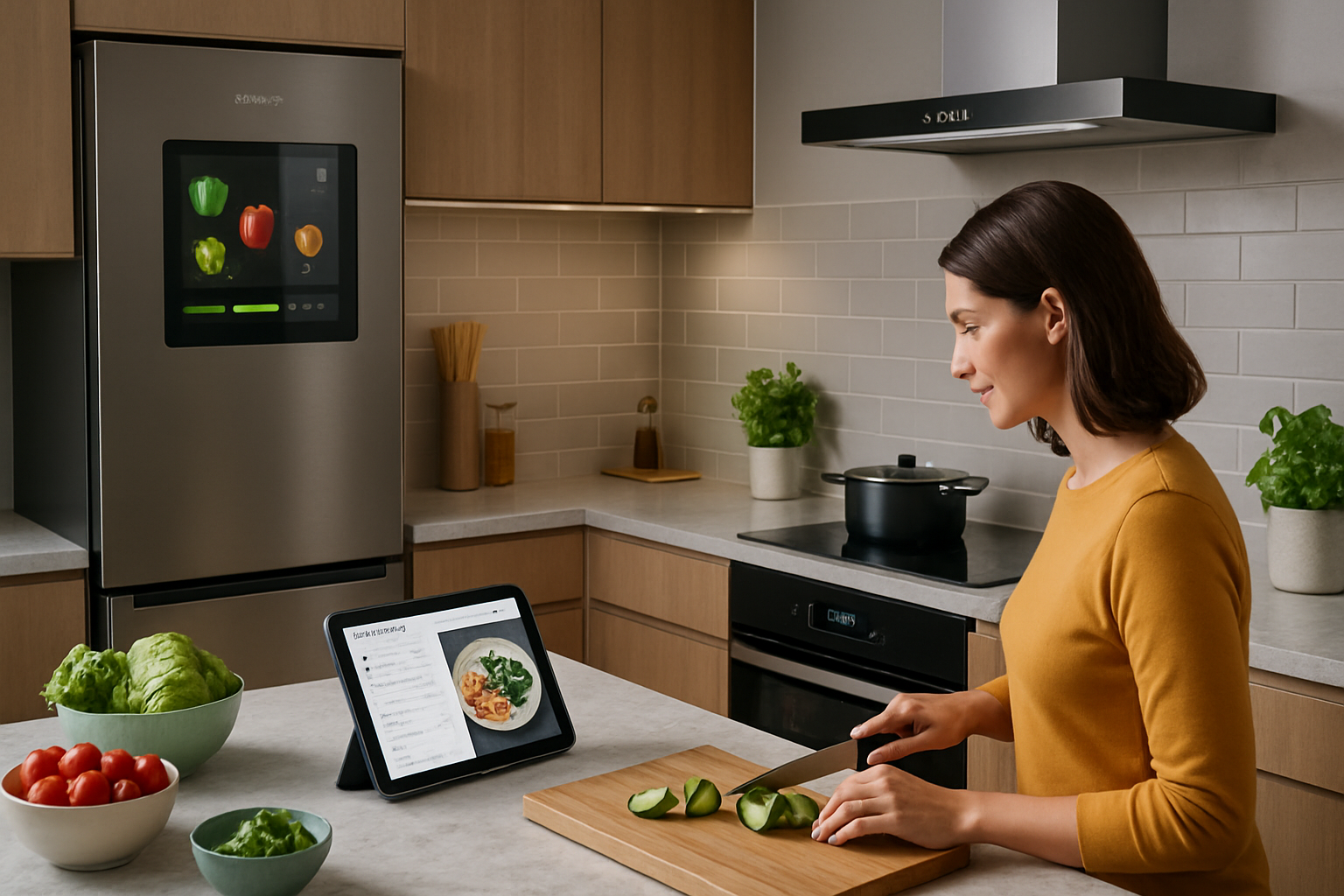
A new wave of kitchen innovation is transforming everyday cooking into a connected, sustainable and personalized experience. From sensor-packed appliances that monitor freshness to AI-driven recipe assistants, the home kitchen is evolving into a tech playground where creativity, efficiency and environmental responsibility converge.
Every morning, a smart fridge in a suburban kitchen hums softly as it runs a freshness check on leafy greens and alerts its owner of an expiring bunch of kale. Meanwhile, an app on the cook’s phone suggests a recipe that uses those leaves before spoilage, adjusting seasoning recommendations based on local ingredient availability. This seamless orchestration of hardware, software and data is no longer science fiction. It marks the beginning of a new chapter in which home cooks tap into an ecosystem of intelligent devices, cloud analytics and sustainable design to elevate both flavor and environmental impact.
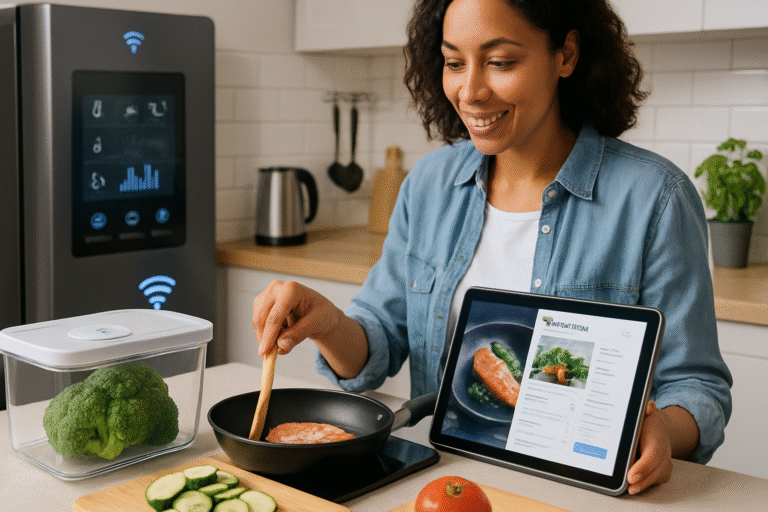
Connectivity is at the heart of today’s culinary transformation. Appliances from ovens and refrigerators to combination microwaves now exchange status updates over home Wi-Fi networks. Embedded sensors measure temperature, humidity, air quality and even the volatile organic compounds emitted by ripening fruit. When humidity levels in a crisper drawer rise above optimal thresholds, a dehumidifier fan kicks in. When gas sensors detect a minor leak from a stovetop, a smartphone notification prompts immediate action. This constant flow of real-time data empowers cooks to make informed decisions, reduce waste and prevent accidents before they become hazards.
AI-powered recipe platforms are another piece of the puzzle. By analyzing shopping history, dietary preferences and seasonal produce trends, these services craft meal plans that balance nutrition, budget and taste. If you follow a pescatarian diet and tend to buy salmon and quinoa on Wednesdays, the algorithm might suggest a miso-glazed salmon bowl paired with citrus-infused quinoa salad. Voice assistants handle the heavy lifting: “Alexa, start the oven at 375°F,” or “Siri, add two organic avocados to my grocery list.” As your kitchen learns from your habits, it continually refines its suggestions, offering seasoning tweaks or reminding you to marinate protein the night before to cut morning prep time in half.
Robotics in the kitchen has made its way from factory floors to countertops. Compact robotic arms can now execute precise stirring, flipping and plating tasks with minimal human supervision. Some models come with detachable grippers designed for whisking eggs or searing scallops in a cast-iron skillet. A few experimental systems even dispense custom spice blends stored in removable cartridges, allowing for flavor variations at the push of a button. While full autonomous cooking robots remain in their infancy, current iterations excel as sous-chefs, freeing up home cooks to focus on creative presentation and hospitality.
Additive food manufacturing-better known as 3D food printing-is carving out its niche as well. Home users can download “print files” for customized chocolate bars embedded with vitamins or intricately shaped pasta infused with vegetable purees. Temperature-controlled build plates ensure structural integrity, while modular print heads handle anything from sugar syrups to puree blends. Early adopters experiment with layering flavors: a basil pesto base, a tomato concentrate midsection and a Parmesan foam topping, all fused into a single, edible sculpture. Though still a novelty for most, 3D food printers hint at a future where pantry staples and micro-nutrient enhancers are combined on demand.
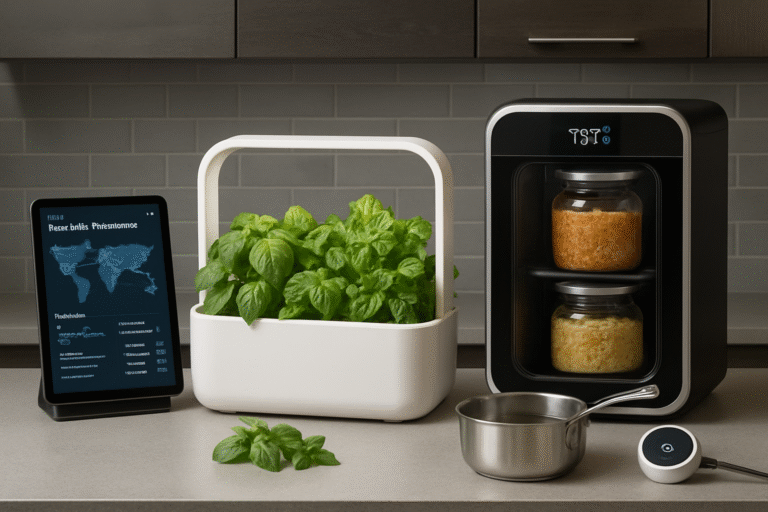
Lab-cultivated proteins are also on the rise, albeit behind the scenes. Specialized countertop fermenters can now grow small batches of microbial protein, transforming sugar substrates into a cheese-like curd or a tofu-style block within days. Open-source protocols guide home biologists through sterilization techniques and fermentation schedules. When coupled with on-machine nutrient profiling sensors, these mini-bioreactors signal when the protein yield reaches peak texture, ensuring reliable results. While regulatory hurdles still loom large, hobbyists and small-batch entrepreneurs alike are testing the boundaries of personalized, sustainable protein production.
Augmented reality (AR) overlays are helping cooks conquer complex techniques. Smart glasses project step-by-step instructions directly onto your field of vision, showing you exactly where to slice, how to fold and when to flip. Digital markers on cutting boards and pans calibrate the AR interface, enabling precise 3D positioning of virtual guides. As you move through a recipe, motion-tracking cameras detect hand positions and adjust instructions in real time. If your knife angle drifts too shallow while julienning carrots, a red outline appears around your hand, nudging you to correct the tilt. This immersive guidance accelerates skill acquisition, turning novices into confident cooks more quickly than printed cookbooks ever could.
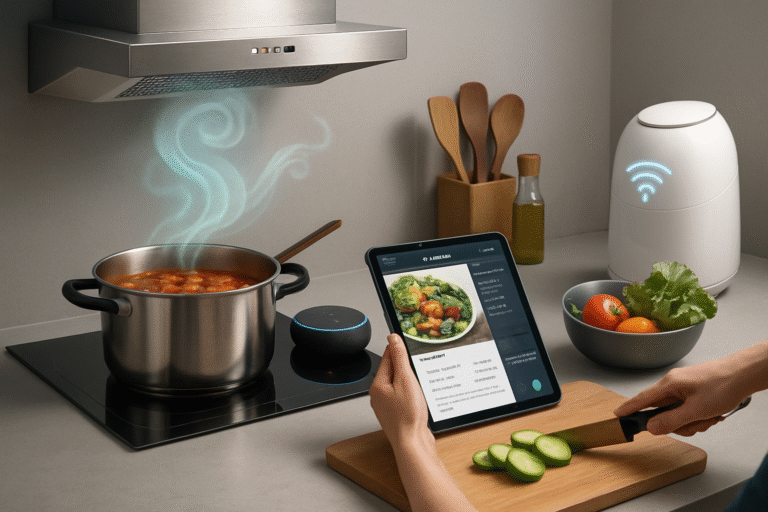
Sustainability remains a driving force behind many of these innovations. Energy-efficient induction cooktops paired with smart ventilation adjust power levels based on pan coverage and detect airborne particulates to optimize air quality without wasting energy on over-ventilation. Composting appliances that mimic industrial processes can reduce kitchen waste volume by up to 90 percent, converting scraps into a sterile, soil-ready byproduct within hours. Some refrigerators now sport modular compartments that can be repurposed as fermenters or mini-greenhouses for sprouting microgreens, further closing the loop between waste reduction and food production.
Despite the rosy outlook, data privacy and ownership pose real challenges. Many smart kitchen devices collect sensitive information-shopping habits, dietary restrictions and even health indicators inferred from nutritional analytics. Users must navigate complex terms of service to understand who owns their data and how it might be monetized. Open-source platforms and federated learning initiatives are emerging as alternatives, enabling local processing of personal data on home servers rather than in distant cloud silos. As more cooks demand transparency, manufacturers will be pressured to adopt privacy-first architectures to maintain consumer trust.
Beyond the technical marvels lies a deeply human benefit: reclaiming time and fueling creativity. By automating repetitive tasks like stirring risotto for twenty minutes, pulling roast pans from the oven at precise doneness or tracking inventory levels, smart kitchens free home cooks to experiment with new ingredients, host more intimate gatherings and deepen their connection to the food they prepare. The kitchen remains a social hub-now enhanced with technology that amplifies enjoyment rather than replacing the human touch.
Looking ahead, expect further convergence between home and professional equipment. Commercial-grade high-speed blenders, intelligent vacuum sealers and precision dehydrators are already filtering into cooking studios and living rooms alike. As entry points drop in price, hybrid workspaces-part tech workshop, part creative kitchen-will pop up in urban neighborhoods, fostering communities of food-tech tinkerers. Subscription models might offer modular hardware upgrades, ensuring installations stay current without generating excess electronic waste.
The era of purely manual kitchens is giving way to an environment where every surface, appliance and utensil carries embedded intelligence. Food and kitchen technology is no longer confined to research labs or upscale test kitchens-it’s poised to become as commonplace as the toaster on your countertop. By blending connectivity, automation and sustainability, the kitchen of tomorrow will transform daily chores into opportunities for discovery, community and mindful living. And behind each byte of data lies a richer, more flavorful bite that celebrates the intersection of tradition and innovation.